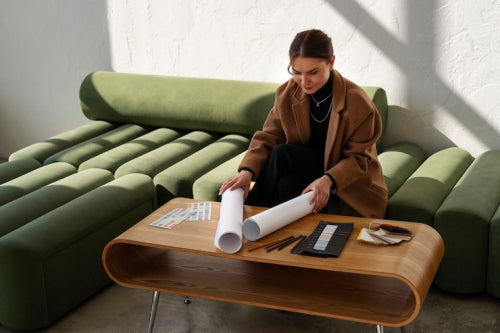
In a compact Hyderabad apartment, a young professional swipes through a 3D model of a cane sofa, adjusting its finish to match her living room's vibe. She rotates it, checks the dimensions, and confirms it fits her space all without leaving her couch. This isn't a futuristic daydream; it's the new reality of furniture shopping in India's vibrant metro cities. From Bangalore to Jaipur, 3D visualization is revolutionizing how homeowners in eight key urban hubs Bangalore, Mumbai, Jaipur, Chennai, Kolkata, Hyderabad, Pune, and Ahmedabad discover, customize, and trust brands like MMC Wood Creations, even as newcomers in a crowded market.
Mass-market furniture lacks heart, filling rooms with bland, short-lived pieces. Frequent breakdowns spark frustration, as replacements erode style and sentiment. At MMC Wood Creations, Udaipur artisans shape heirloom furniture with enduring craftsmanship and cozy elegance, creating pieces that echo your identity, ensuring your home radiates warmth and timeless connection. Shop Now!
3D Visualization Reshapes Custom Furniture in India's Metro Hubs
India's urban centers are at the forefront of a digital furniture renaissance, where personalization meets precision. In Bangalore, Mumbai, Jaipur, Chennai, Kolkata, Hyderabad, Pune, and Ahmedabad, the demand for custom furniture is surging, driven by compact living spaces, growing affluence, and a desire for distinctive designs. The global customized furniture market, valued at USD 35.30 billion in 2024, is expected to soar to USD 98.27 billion by 2033, with a robust 12.05% CAGR. India's metros are a key engine of this growth, embracing technologies like CAD, AR, and VR to meet consumer's cravings for unique, functional pieces. For MMC Wood Creations, known for affordable yet durable cane, wooden, and outdoor furniture, 3D visualization is a vital tool, allowing customers to preview timeless designs in their homes before purchase.
This shift matters because urban homeowners want assurance that their furniture will fit both their space and aesthetic. For a new brand like MMC, the challenge of being perceived as untested “we're a new brand” is real. 3D visualization bridges this gap, offering photorealistic previews that build confidence, letting buyers explore every detail, from wood grain to weave texture, without relying on brand legacy.
Regional Trends Driving 3D Visualization Adoption
Bangalore leads as India's tech epicenter, where furniture shopping is increasingly digital. AR and VR startups in Koramangala and Outer Ring Road are developing tools that let buyers visualize teak shelves or cane chairs in their 2BHKs. The Karnataka government's focus on digital manufacturing, as outlined in Department of Industries & Commerce reports, encourages local brands to adopt 3D tools, keeping them competitive in a tech-savvy market.
In Mumbai, where space is a premium, 3D visualization is a necessity. MMRDA's urban housing data highlights shrinking apartment sizes, pushing homeowners to seek furniture that optimizes every inch. Virtual tools allow them to test modular sofas or compact outdoor seating, ensuring a flawless fit. A Bandra resident, for instance, used a 3D configurator to craft a bespoke balcony set, finalizing the design entirely online, bypassing showroom visits.
Chennai marries tradition with innovation. Its furniture export hubs have long used CAD for global clients, but local demand is now catching up. Homeowners along the IT corridor are leveraging 3D previews to select solid-wood furniture that aligns with their décor, drawn to MMC's classic designs. A Velachery family, for example, used a 3D tool to ensure a teak bed frame harmonized with their existing interior.
Hyderabad's affluent buyers, fueled by the IT-driven real estate boom in Gachibowli and Kondapur, are embracing 3D visualization to furnish upscale apartments. Telangana's housing surge has sparked demand for cane and wooden pieces, with buyers examining textures like Sheesham grains virtually. Similarly, Pune's millennial-driven market, as noted in Maharashtra Housing Data Reports, favors brands offering 360-degree views and precise spatial previews, catering to tech-forward homeowners.
In Ahmedabad and Jaipur, 3D visualization blends craft heritage with modern precision. Gujarat's MSME reports highlight the rising use of 3D modeling in wood and clay crafts, while Jaipur's artisans employ digital tools to maintain design accuracy for bespoke orders. An Ahmedabad customer used a 3D model to integrate modern wooden cabinetry with traditional Gujarati motifs, witnessing the fusion in real-time. Meanwhile, Kolkata's luxury housing growth in New Town and Rajarhat is driving demand for pre-visualized furniture layouts, with buyers seeking durable, timeless designs.
Frequently Asked Questions
How does 3D visualization work for custom furniture shopping in India?
3D visualization allows you to view photorealistic digital models of furniture pieces in your actual living space before purchasing. Using CAD, AR, and VR technologies, you can rotate items, adjust finishes, check dimensions, and see details like wood grain or cane weave texture. This technology is particularly valuable in Indian metros like Bangalore, Mumbai, and Hyderabad, where space optimization is crucial and buyers want assurance that furniture will fit both their spatial and aesthetic requirements.
Why is 3D furniture visualization becoming popular in cities like Bangalore and Mumbai?
Indian metro cities are embracing 3D visualization due to compact living spaces, growing digital adoption, and the need for personalized furniture solutions. In tech hubs like Bangalore, AR and VR tools let buyers visualize furniture in their homes digitally, while in space-constrained Mumbai, virtual tools help optimize every inch of apartment layouts. The global customized furniture market is expected to grow from USD 35.30 billion in 2024 to USD 98.27 billion by 2033, with Indian metros driving significant adoption of these technologies.
Can 3D visualization help me trust new furniture brands like MMC Wood Creations?
Yes, 3D visualization builds trust by allowing you to thoroughly examine furniture before purchase, regardless of brand legacy. You can preview photorealistic models of cane, wooden, and outdoor furniture pieces, exploring every detail from texture to finish in your actual space. This technology bridges the trust gap for newer brands by offering transparency and confidence through detailed virtual previews, eliminating the need to rely solely on brand reputation or showroom visits.
Disclaimer: The above helpful resources content contains personal opinions and experiences. The information provided is for general knowledge and does not constitute professional advice.
You may also be interested in: Sustainable Practices in Small-Scale Wood Workshops
Mass-market furniture lacks heart, filling rooms with bland, short-lived pieces. Frequent breakdowns spark frustration, as replacements erode style and sentiment. At MMC Wood Creations, Udaipur artisans shape heirloom furniture with enduring craftsmanship and cozy elegance, creating pieces that echo your identity, ensuring your home radiates warmth and timeless connection. Shop Now!
Powered by flareAI.co