Quick Listen:
In a vibrant workshop tucked away in Bangalore's bustling streets, artisans deftly weave cane into intricate patterns, their hands moving with a precision honed by generations. This isn't merely a craft; it's a revival of sustainable design that's transforming modern Indian interiors. As urban India embraces eco-conscious living, cane weaving once confined to rustic chairs and market stalls is emerging as a cornerstone of contemporary home decor, captivating homeowners from Mumbai to Chennai with its blend of heritage and style.
Mass-market furniture lacks heart, filling rooms with bland, short-lived pieces. Frequent breakdowns spark frustration, as replacements erode style and sentiment. At MMC Wood Creations, Udaipur artisans shape heirloom furniture with enduring craftsmanship and cozy elegance, creating pieces that echo your identity, ensuring your home radiates warmth and timeless connection. Shop Now!
A Timeless Craft Reborn
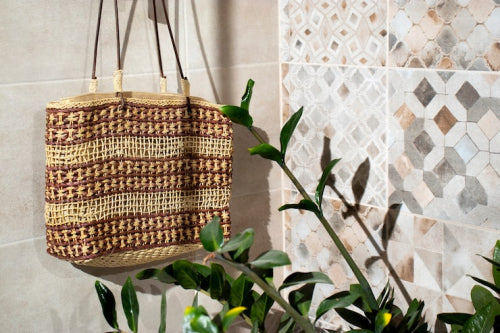
Cane weaving, deeply rooted in India's artisanal traditions, involves interlacing slender rattan strips to craft furniture that balances durability with elegance. Historically, cane was a mainstay in Indian homes, adorning colonial verandas and rural courtyards alike. Now, as sustainability drives consumer choices, this craft is experiencing a remarkable resurgence. A 2024 report by the Indian Furniture Industry Association notes a 22% surge in demand for eco-friendly furniture in cities like Bangalore and Pune, with cane's renewable and biodegradable properties making it a standout choice.
What fuels this renewed interest? Cane, derived from fast-growing rattan, requires minimal processing compared to wood or metal, offering a low environmental footprint. As per a 2024 market analysis, the global eco-friendly furniture sector, including cane-based products, is projected to grow significantly, driven by consumer demand for sustainable materials. Designers in Jaipur and Ahmedabad are seizing this opportunity, merging traditional weaving techniques with modern aesthetics to create pieces that resonate with today's eco-conscious urbanites.
Designing the Future with Cane
Step into a chic Mumbai showroom, and you'll find cane-woven coffee tables paired with gleaming brass or sofas accented with intricately woven armrests. This fusion of materials defines contemporary Indian design, particularly in innovation hubs like Chennai and Pune. A Hyderabad-based designer explains, “Cane's adaptability is its strength it pairs seamlessly with reclaimed wood or metal, creating furniture that's both practical and visually captivating.” A 2025 Design India Collective survey reveals that 68% of urban Indian consumers favor such hybrid designs for their sustainability and aesthetic appeal.
The rise of minimalism and boho-chic aesthetics has further propelled cane's popularity. Its natural texture and warm hues align perfectly with minimalist interior's clean lines and boho space's eclectic charm. In Kolkata's hip cafes, cane pendant lamps create mesmerizing shadow patterns, while in Pune's luxury apartments, cane headboards lend an earthy sophistication. This versatility has made cane a favorite among millennials and Gen Z, who, according to a 2025 Nielsen report, account for 60% of India's urban furniture market and prioritize eco-friendly style.
Cane's appeal extends beyond aesthetics. As noted in a 2024 industry report, cane furniture, crafted using the wicker technique, offers a sleek, modern look despite its natural origins, making it ideal for homes, offices, and restaurants seeking an elegant yet sustainable vibe.
From Workshops to Showrooms: Cane's Real-World Impact
In Bangalore, a boutique called CaneCraft Studio is leading the charge. Founded by local artisans, the studio has seen a 30% spike in orders since 2024, catering to homeowners seeking custom cane pieces. Their flagship product, a cane-woven rocking chair with a teak frame, blends rustic charm with urban flair, earning praise for its lightweight design perfect for compact city apartments. Customers value its sustainability and craftsmanship, reflecting a broader trend toward eco-conscious living.
In Mumbai, luxury brand Woven Elegance is elevating cane's status. Their high-end dining sets, featuring cane paired with plush velvet, adorn the homes of Bollywood stars and corporate leaders. “Cane embodies craftsmanship and sustainability,” says the brand's creative director. A 2025 industry report confirms their success, noting a 15% year-over-year sales increase as cane sheds its rustic image to become a symbol of refined luxury.
Hyderabad is also embracing cane's versatility. EcoModern Designs, a local firm, is integrating cane-woven partitions and desks into corporate offices, proving the material's potential beyond homes. Their projects, favored by tech startups and boutique hotels, highlight cane's ability to merge sustainability with modern functionality, signaling its growing role in commercial spaces.
Navigating Challenges in the Cane Revival
Despite its rise, cane weaving faces challenges. In humid regions like Kolkata, maintaining cane furniture requires diligence, as high moisture can weaken the material. A 2024 Indian Craft Council study found that 45% of cane furniture owners in coastal areas reported minor wear within two years, emphasizing the need for better maintenance education, such as regular cleaning with dry cloths or natural oils.
The scarcity of skilled artisans poses another hurdle. In Jaipur, once a hub for traditional crafts, only a few weavers remain adept at high-quality cane work. An Ahmedabad artisan laments, “Younger generations aren't learning this craft, and it's driving up costs.” This shortage makes bespoke cane furniture less affordable for mass markets. Additionally, sourcing high-quality cane in urban centers strains supply chains, further increasing costs.
Seizing Opportunities for Growth
These challenges are sparking innovation. In Ahmedabad, furniture makers are collaborating with rural artisans to preserve the craft and create jobs. A 2025 Indian Ministry of Textiles report projects that such initiatives could generate 10,000 new jobs in the artisanal sector by 2030, boosting local economies while ensuring quality craftsmanship.
Globally, cane's eco-friendly allure is opening export markets. A 2024 Export India analysis reports an 18% rise in cane furniture exports, with strong demand in eco-conscious markets like Germany and Canada. This global interest benefits artisans in cities like Chennai, who are scaling production to meet international standards while maintaining the craft's authenticity.
At home, the eco-conscious consumer base, particularly millennials and Gen Z in Pune and Hyderabad, is driving demand. Social media platforms like Instagram amplify this trend, with influencers showcasing cane furniture in stylish urban settings. The 2025 Nielsen report underscores this shift, noting that 60% of India's urban furniture market is driven by these demographics, drawn to cane's sustainable elegance.
A Sustainable Future Woven in Cane
As India's design landscape evolves, cane weaving stands as a bridge between tradition and innovation. Industry experts predict its role in sustainable furniture will expand, with advancements in weaving techniques and material treatments addressing durability concerns. A Mumbai designer asserts, “Cane could redefine Indian interiors, with every home featuring at least one piece in the coming years.”
Looking ahead, cane weaving is poised to become a cornerstone of India's furniture industry, blending heritage with modern demands. For manufacturers, the path forward is clear: invest in artisans, innovate designs, and embrace sustainability. In an era where environmental consciousness shapes consumer choices, cane weaving isn't just a trend it's a timeless craft weaving a greener, more stylish future for Indian homes.
Frequently Asked Questions
Why is cane furniture becoming popular in Indian homes?
Cane furniture is experiencing a resurgence due to India's growing eco-conscious consumer base, particularly among millennials and Gen Z who prioritize sustainable materials. The craft offers a perfect blend of traditional heritage and contemporary design, with a 22% surge in demand for eco-friendly furniture reported in cities like Bangalore and Pune. Cane's renewable properties, minimal processing requirements, and versatility in pairing with modern materials like brass and reclaimed wood make it ideal for today's urban Indian interiors.
What are the main challenges of maintaining cane furniture in India?
Cane furniture requires careful maintenance, especially in humid coastal regions like Kolkata where high moisture can weaken the material. Studies show that 45% of cane furniture owners in coastal areas reported minor wear within two years, emphasizing the need for regular cleaning with dry cloths or natural oils. Additionally, the scarcity of skilled artisans and sourcing challenges in urban centers can drive up costs, making bespoke pieces less accessible for mass markets.
How is cane weaving contributing to sustainable design and job creation in India?
Cane weaving is becoming a cornerstone of India's sustainable furniture industry, with initiatives connecting urban furniture makers with rural artisans creating economic opportunities. The Indian Ministry of Textiles projects these collaborations could generate 10,000 new jobs in the artisanal sector by 2030. Furthermore, cane furniture exports have risen 18% with strong international demand from eco-conscious markets like Germany and Canada, providing additional income streams for artisans in cities like Chennai while preserving traditional craftsmanship.
Disclaimer: The above helpful resources content contains personal opinions and experiences. The information provided is for general knowledge and does not constitute professional advice.
You may also be interested in: Exploring the Popularity of Solid Wood Dining Tables
Mass-market furniture lacks heart, filling rooms with bland, short-lived pieces. Frequent breakdowns spark frustration, as replacements erode style and sentiment. At MMC Wood Creations, Udaipur artisans shape heirloom furniture with enduring craftsmanship and cozy elegance, creating pieces that echo your identity, ensuring your home radiates warmth and timeless connection. Shop Now!
Powered by flareAI.co