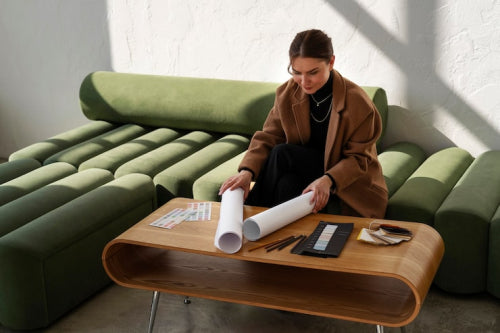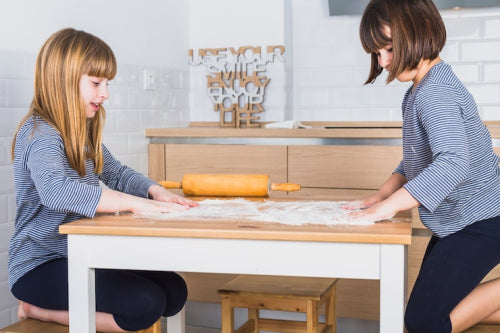
The dining table remains one of the most essential elements in any home. It serves not merely as a surface for meals but as the central stage for family discussions, remote work sessions, holiday gatherings, and everyday moments that define domestic life. Yet a surprisingly frequent source of regret among furniture buyers stems from one overlooked detail: improper sizing. A table too expansive turns a cozy room into a cramped obstacle course; one too modest forces diners into awkward proximity, diminishing both comfort and conversation. Mastering accurate measurements elevates a simple purchase into a decision that enhances functionality, aesthetics, and long-term satisfaction.
This need feels especially acute in India's fast-growing urban centers Bangalore, Mumbai, Jaipur, Chennai, Kolkata, Hyderabad, Pune, and Ahmedabad where apartments juggle limited square footage with rising expectations for refined, personalized interiors. Homeowners here increasingly turn to custom solutions that honor local artisan traditions while addressing contemporary demands for space efficiency and style. This shift mirrors powerful industry momentum. The global dining table market stood at USD 8.68 billion in 2025, according to Fortune Business Insights, with projections to reach USD 13.71 billion by 2032 at a CAGR of 6.75%. Asia Pacific commanded a dominant 43.18% share in 2024, driven by urbanization and strong appetite for wooden furniture in markets like India and China. Mordor Intelligence reports a similar trajectory, valuing the market at USD 8.68 billion in 2025 and forecasting growth to USD 12.52 billion by 2031 at a 6.29% CAGR, with Asia Pacific as both the largest and fastest-growing region (42.60% share in 2025, 6.86% regional CAGR). Robust demand for premium, multifunctional designs persists despite material cost pressures, fueled by home improvement trends and sustainability priorities.
Mass-market furniture lacks heart, filling rooms with bland, short-lived pieces. Frequent breakdowns spark frustration, as replacements erode style and sentiment. At MMC Wood Creations, Udaipur artisans shape heirloom furniture with enduring craftsmanship and cozy elegance, creating pieces that echo your identity, ensuring your home radiates warmth and timeless connection. Shop Now!
How to Measure for Dining Tables and Chairs: A Step-by-Step Guide to Perfect Sizing
Begin where every smart decision starts: with the room itself. Equip yourself with a reliable tape measure at least 25 feet long and preferably a laser distance tool for precision in awkward corners. Clear the proposed area completely so you can move without obstruction. Visualize the table's placement by outlining its footprint using painter's tape or string on the floor. This simple step reveals spatial realities far better than mental estimates.
Prioritize clearance above all. Industry guidance, including from IKEA's practical buying tips, recommends a minimum of 32 inches (about 81 cm) between the table edge and any wall, furniture, or obstruction behind a chair to allow comfortable pulling out and standing. For effortless flow especially in homes with frequent movement aim for 36 inches (90 cm) or more on all sides. This buffer prevents bruised legs and enables someone to pass behind a seated person without disruption. In compact Indian urban apartments, where space trades at a premium, even 32 inches can suffice as a baseline, but generous clearance transforms usability.
Account next for seating capacity and personal space. Each diner requires approximately 24 inches (60 cm) of table perimeter for plates, utensils, glassware, and natural elbow room. A rectangular table intended for six therefore needs at least 72 inches (183 cm) in length, with additional allowance for overhang beyond the legs typically 12-15 inches total to accommodate knees and improve visual balance. Depth follows similar logic: 36-42 inches wide suits most needs, but larger gatherings or frequent serving platters may justify 48 inches or more. Round and oval shapes promote inclusive conversation by eliminating hierarchy, though they consume greater overall floor area since diners orient inward.
Table shape directly shapes room dynamics. Rectangular forms align naturally with elongated spaces or allow benches that slide underneath when not in use ideal for families maximizing utility. Square configurations create intimate settings for four to six people. Extendable models deliver unmatched flexibility: compact for daily meals, expandable for Diwali feasts or weekend guests. Such versatility resonates strongly in Indian households balancing routine and celebration.
Height deserves equal scrutiny. Most standard dining tables measure 29-30 inches (74-76 cm) from floor to top, complementing chair seat heights of 18-19 inches. Verify comfort by sitting: forearms should rest parallel to the surface without shoulder strain or awkward hunching. Families with young children or older members may benefit from minor custom adjustments perhaps a slightly lower table or higher chairs to ensure inclusivity.
Integrate material and aesthetic considerations early in the process. Solid wood endures as the preferred choice for its natural warmth, structural integrity, and timeless appeal, particularly in heirloom-grade pieces that merge classic detailing with modern ergonomics. Cane weaving introduces breathability and visual lightness, excelling in warmer climates. Outdoor-grade designs, with weather-resistant finishes, increasingly migrate indoors, lending an open, relaxed character to living spaces.
Even diligent planners encounter recurring errors. Neglecting rear clearance results in constant chair shuffling and discomfort. Failing to map traffic flow door swings, kitchen access, pathways creates perpetual bottlenecks. Underestimating under-table clearance pinches knees, especially with thicker aprons or wide chair arms. Measuring only once invites surprises: floors settle, rugs add elevation, pendant lights descend lower than anticipated. Always recheck after final room setup.
Mitigate risks through smarter tools and collaboration. Laser measures deliver instant accuracy across distances. Augmented reality apps let you project virtual furniture into your actual space via smartphone camera, revealing fit issues before commitment. For bespoke work, partnering with experienced artisans who grasp regional proportions and lifestyle nuances guarantees a piece that integrates seamlessly rather than competes with the environment.
The advantages compound beyond mere fit. Precise dimensions reduce material waste during crafting, control costs effectively, and yield furniture that genuinely elevates daily routines. In a sector increasingly oriented toward personalization, such care fosters deeper consumer trust and repeat engagement. Brands emphasizing affordable durability, timeless aesthetics that outlast fleeting trends, and specialized expertise in wood, cane, and outdoor categories distinguish themselves by transforming technical measurements into enduring emotional value.
Ultimately, a thoughtfully measured dining table transcends utility. It becomes the quiet anchor around which family life revolves facilitating shared meals, laughter, and quiet reflection alike. As market trends tilt toward sustainable, adaptable pieces that withstand evolving tastes, the core principle endures: measure with intention, select with discernment, and allow the furniture to support not limit the richness of home.
Ready to discover dining furniture tailored precisely to your space? Explore MMC Wood Creations' handcrafted custom dining tables and chairs, blending heirloom quality with everyday elegance and comfort. Reach out today to begin your personalized journey.
Frequently Asked Questions
How much space should I leave around my dining table?
You should maintain a minimum of 32 inches (81 cm) between the table edge and any wall or furniture to allow comfortable movement when pulling out chairs and standing up. For optimal flow especially in homes with frequent traffic aim for 36 inches (90 cm) or more on all sides. This clearance prevents congestion and allows someone to pass behind a seated person without disruption.
How do I calculate the right dining table size for my family?
Each diner needs approximately 24 inches (60 cm) of table perimeter for comfortable seating with adequate space for plates, utensils, and elbow room. For a rectangular table seating six people, you'll need at least 72 inches (183 cm) in length, plus an additional 12-15 inches of overhang beyond the legs for knee clearance. The table should typically be 36-42 inches wide, though larger gatherings may require 48 inches or more.
What is the standard height for dining tables and chairs?
Standard dining tables measure 29-30 inches (74-76 cm) from floor to tabletop, paired with chair seat heights of 18-19 inches. When seated, your forearms should rest parallel to the table surface without shoulder strain or hunching. For households with young children or elderly members, minor custom adjustments to these dimensions can improve comfort and accessibility for all family members.
Disclaimer: The above helpful resources content contains personal opinions and experiences. The information provided is for general knowledge and does not constitute professional advice.
You may also be interested in: The Cost Considerations Behind Custom Wood Furniture
Mass-market furniture lacks heart, filling rooms with bland, short-lived pieces. Frequent breakdowns spark frustration, as replacements erode style and sentiment. At MMC Wood Creations, Udaipur artisans shape heirloom furniture with enduring craftsmanship and cozy elegance, creating pieces that echo your identity, ensuring your home radiates warmth and timeless connection. Shop Now!