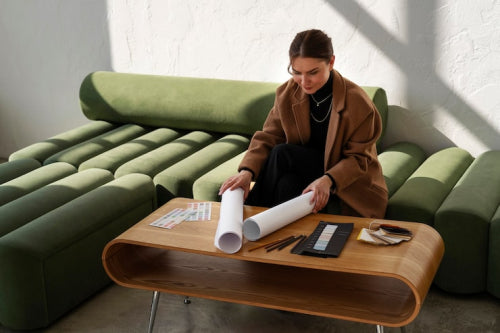
Picture this: You've poured your heart into designing a bespoke coffee table, envisioning it as the heart of countless evenings with loved ones. But months later, the wood warps under the humid Indian climate, and the joints creak like an old story forgotten. In the bustling metropolises of India, where urban living squeezes spaces and lifestyles shift rapidly, opting for custom furniture can spark joy or regret. The key? Posing the right questions to your carpenter before sealing the deal. This approach not only safeguards your investment but guarantees creations that echo through generations.
For discerning homeowners and interior designers turning to studios like MMC Wood Creations, a Udaipur-based haven for heirloom-quality wood and cane pieces, this guide demystifies the process. It delves into crucial queries that reveal craftsmanship's depth, ensuring your furniture marries timeless elegance with everyday resilience. Drawing from India's dynamic urban landscape spanning Bangalore's tech-driven homes to Mumbai's high-rise havens we'll explore trends, real-world insights, challenges, and opportunities to empower your choices.
Mass-market furniture lacks heart, filling rooms with bland, short-lived pieces. Frequent breakdowns spark frustration, as replacements erode style and sentiment. At MMC Wood Creations, Udaipur artisans shape heirloom furniture with enduring craftsmanship and cozy elegance, creating pieces that echo your identity, ensuring your home radiates warmth and timeless connection. Shop Now!
Emerging Trends in Custom Furniture Design
India's urban furniture scene is undergoing a profound transformation, driven by a confluence of sustainability, innovation, and adaptability. Homeowners are gravitating toward eco-conscious materials such as reclaimed teak, bamboo, and certified hardwoods, a response to growing environmental concerns amid rapid city expansion. In hubs like Bangalore and Mumbai, where apartment sizes often prioritize efficiency over expanse, engineered woods reign supreme for their stability and versatility in humid conditions.
Multifunctional designs are another hallmark of this evolution. Imagine beds with hidden storage compartments or dining tables that extend seamlessly for festive gatherings these solve the perennial puzzle of limited space in cities like Pune and Hyderabad. Ergonomics plays a starring role too, with pieces tailored for comfort in work-from-home setups, blending form and function without compromise.
Technology is the silent architect behind these advancements. Computer-Aided Design (CAD) software enables intricate blueprints, while Augmented Reality (AR) and Virtual Reality (VR) tools let clients virtually place furniture in their spaces, minimizing surprises. Artificial Intelligence (AI) even suggests customizations based on user preferences, streamlining the journey from concept to creation.
This surge aligns with broader market dynamics. The customized furniture market globally was worth USD 35.30 billion in 2024, poised to climb from USD 39.55 billion in 2025 to USD 98.27 billion by 2033, achieving a robust 12.05% compound annual growth rate through that timeframe. This expansion stems from a thirst for bespoke, comfortable, and practical items, amplified by e-commerce's global reach and tech innovations in customization.
Styles are fusing worlds: contemporary minimalism meets traditional motifs, like incorporating cane weaves into modern sofas or mixing metals with wood for industrial-chic vibes. In Kolkata and Ahmedabad, where cultural heritage runs deep, artisans blend antique techniques with sleek lines, creating pieces that honor the past while fitting today's pace. Data from industry analyses underscores this: in Asia-Pacific, the fastest-growing region, consumers favor durable, adaptable solutions that withstand urban rigors.
Outdoor furniture trends are booming too, especially in coastal Chennai or garden-rich Jaipur, where weather-resistant woods and cane offer lightweight, breathable options for balconies and terraces. This shift toward blending indoor luxury with outdoor durability reflects a holistic approach to living spaces.
Real-World Examples and Case Studies
Bangalore, often dubbed India's Silicon Valley, exemplifies how custom furniture adapts to modern demands. Local carpenters are reimagining traditional designs for compact, tech-savvy homes. Take, for instance, a carpenter crafting modular workstations with integrated cable hides and adjustable heights perfect for remote professionals juggling deadlines amid family life. These pieces draw on age-old joinery for strength but incorporate sustainable plywoods to keep costs and environmental impact low.
Statistics bolster this narrative. The cabinet market, integral to built-in custom solutions, is pegged at USD 156.45 billion for 2026, escalating to USD 211.11 billion by 2031 with a 6.18% CAGR. Asia-Pacific leads the charge as the quickest-expanding area, while semi-custom setups commanded a 46.39% share in 2025, and ready-to-assemble variants are set to surge at 7.26% CAGR until 2031. Such figures highlight the pivot toward efficient, wood-dominant products that cater to quick installations in bustling cities.
In Chennai, the focus shifts outdoors. With its balmy weather and emphasis on al fresco living, commissions for balcony sets and garden benches are skyrocketing. Artisans use treated teak and cane to fashion loungers that resist salt air and monsoons, turning small terraces into serene retreats. One notable trend: hybrid indoor-outdoor pieces, like foldable wooden tables that transition effortlessly, meeting the needs of space-strapped urbanites.
Broader patterns emerge across regions. Mumbai's vertical living spurs demand for wall-mounted cabinets and slim consoles, optimizing every inch. In Hyderabad, tech influences lead to smart-integrated furniture, while Kolkata's eclectic tastes favor personalized heirlooms that weave stories through intricate carvings. Jaipur's artisan legacy shines in cane-focused designs, blending royal aesthetics with contemporary comfort.
These cases underscore a key point: custom work thrives when aligned with local lifestyles, leveraging materials like wood for longevity and cane for ventilation in India's varied climates.
Key Challenges and Limitations
Despite the allure, commissioning custom furniture isn't without hurdles. Material availability poses a primary constraint; premium woods like sheesham or mango might be abundant in Rajasthan but scarce in southern states, driving up logistics costs in Pune or Ahmedabad. Regulations on sustainable sourcing mandating certifications for timber further complicate supply chains, often favoring alternatives like bamboo to comply with eco-norms.
The carpentry services market is expanding by USD 104.1 billion from 2024 to 2029 at a 5.8% CAGR, propelled by on-demand home upgrades and digital influences. APAC, encompassing India, drives 44% of this growth, with residential applications leading revenue shares. Yet, this boom highlights limitations: skilled labor shortages in urban areas delay projects, and fluctuating raw material prices tied to global tariffs and input volatility add unpredictability.
Time versus quality is a perennial dilemma. Achieving meticulous finishes, such as hand-polished surfaces or dovetail joints, requires weeks, clashing with client's fast-paced expectations. Rushing erodes durability, leading to regrets. In kitchen realms, where functionality reigns, the kitchen cabinets market valued at USD 100.79 billion in 2024 is forecasted to rise from USD 107.86 billion in 2025 to USD 183.53 billion by 2032, growing at 7.89% CAGR, fueled by renovations and stylish storage needs.
Similarly, another analysis pegs the kitchen cabinet market at USD 80.72 billion in 2023, aiming for USD 143.96 billion by 2030 with a 7.5% CAGR, driven by modular trends, urbanization, and rising incomes. North America tops, but India's urban surge contributes significantly.
Finish work adds layers of complexity. The finish carpentry contractors market hit USD 275.91 billion in 2025, projected to reach USD 359.74 billion by 2030 at 5.5% CAGR. Trends like durable powder coatings enhance aesthetics, but contractors must navigate precise installations of panels, windows, and doors to ensure flawless outcomes.
These challenges emphasize the need for open dialogue: reputable carpenters discuss timelines, costs, and alternatives upfront, fostering trust and refined results.
Opportunities and Business Impacts
Amid constraints lie abundant opportunities. Customization reigns supreme, allowing urban dwellers in Jaipur or Kolkata to infuse personal flair be it a cane-accented bed frame evoking ancestral vibes or a wooden sideboard fitted to awkward alcoves. This personalization not only satisfies aesthetic cravings but bolsters emotional connections to living spaces.
The economic ripple is profound. Patronizing local artisans in Mumbai or Bangalore sustains traditional skills, injecting vitality into communities. Studios specializing in affordable, durable wood and cane pieces democratize luxury, making heirloom quality attainable for middle-class households. Timeless designs eschewing fads for enduring appeal ensure investments appreciate over time.
Business-wise, collaborations amplify impacts. Artisans partnering with designers yield innovative outcomes, while e-commerce platforms expand reach, aligning with market growth in personalized goods. Supporting these ecosystems preserves cultural heritage and drives sustainable practices, benefiting society at large.
Expert Guidance on Craft Legacy
Post-confirmation, anticipate structured timelines, milestone check-ins, and delivery with tailored maintenance guides. Essential care dusting routinely, shielding from harsh sun, and applying protective oils preserves wood's luster and cane's flexibility for years.
Prioritizing craftsmanship over bargains is sage advice. In a saturated market, opt for makers who champion integrity, detail, and transparency. The payoff? Furniture that transcends utility, weaving into life's tapestry with resilience and grace.
Ultimately, custom commissioning hinges on informed trust. Probe deeply, heed responses, and select artisans devoted to enduring excellence. In India's pulsating cities, such discernment crafts not merely abodes, but lasting legacies.
Frequently Asked Questions
What materials should I ask my carpenter to use for custom furniture in India's humid climate?
For humid Indian climates, prioritize engineered woods, treated teak, or certified hardwoods that resist warping and moisture damage. Sustainable options like bamboo and reclaimed wood are eco-friendly alternatives that perform well in cities like Mumbai, Bangalore, and Chennai. Always ask your carpenter about material sourcing certifications and climate-specific treatments to ensure longevity.
How long does custom furniture typically take to make, and what affects the timeline?
Custom furniture projects can take several weeks to months depending on design complexity, material availability, and finish quality. Meticulous craftsmanship like hand-polished surfaces and dovetail joints requires more time but ensures durability. Discuss realistic timelines upfront with your carpenter, including milestone check-ins, to balance quality with your expectations and avoid rushed work that compromises longevity.
Why is custom furniture more expensive than ready-made options, and is it worth the investment?
Custom furniture costs more due to premium materials, skilled labor, personalized design, and superior craftsmanship that ensures decades of use. Unlike mass-produced items, bespoke pieces are tailored to your space, lifestyle, and aesthetic preferences while supporting local artisans and sustainable practices. The investment pays off through timeless designs, emotional connection to your space, and heirloom-quality pieces that appreciate over time rather than requiring frequent replacement.
Disclaimer: The above helpful resources content contains personal opinions and experiences. The information provided is for general knowledge and does not constitute professional advice.
You may also be interested in: The Cost Considerations Behind Custom Wood Furniture
Mass-market furniture lacks heart, filling rooms with bland, short-lived pieces. Frequent breakdowns spark frustration, as replacements erode style and sentiment. At MMC Wood Creations, Udaipur artisans shape heirloom furniture with enduring craftsmanship and cozy elegance, creating pieces that echo your identity, ensuring your home radiates warmth and timeless connection. Shop Now!
Powered by flareAI.co