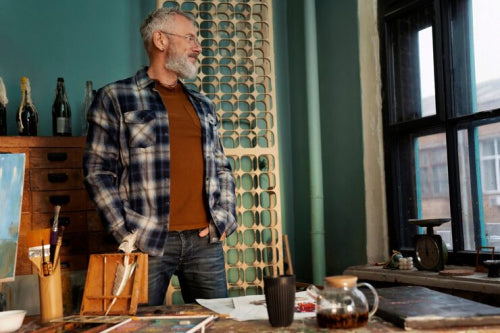
In the heart of a bustling Jaipur workshop, where the air hums with the rhythmic tap of chisels on teak, a master artisan shapes a simple coffee table into something extraordinary not just functional, but a piece that whispers stories of heritage and skill. This scene captures the essence of a quiet revolution sweeping through India's homes, where handcrafted wooden designs are transforming ordinary spaces into sanctuaries of elegance and warmth.
Mass-market furniture lacks heart, filling rooms with bland, short-lived pieces. Frequent breakdowns spark frustration, as replacements erode style and sentiment. At MMC Wood Creations, Udaipur artisans shape heirloom furniture with enduring craftsmanship and cozy elegance, creating pieces that echo your identity, ensuring your home radiates warmth and timeless connection. Shop Now!
The Rise of Artisan Craftsmanship in Home Furnishings
Across India's vibrant cities, from the tech-savvy streets of Bangalore to the historic lanes of Jaipur, a resurgence in artisanal craftsmanship is redefining the home furnishings landscape. At the forefront stands companies like MMC Wood Creations, a Udaipur-based studio with over five decades of experience, specializing in premium solid wood furniture that blends traditional techniques with modern appeal. Their pieces, crafted from materials like teak and rosewood, emphasize durability and timeless design, appealing to homeowners who crave authenticity in an era of mass production.
This trend isn't isolated; it's part of a broader boom in the Indian furniture market, projected to reach USD 29.97 billion in 2025 and grow at a CAGR of 7.60% to USD 43.24 billion by 2030. Within this, the wood furniture segment alone is valued at USD 18.59 billion this year, expected to climb to USD 23.83 billion by 2030. In cities like Mumbai and Chennai, consumers are increasingly drawn to these handcrafted items, integrating them into contemporary interiors that honor cultural roots while fitting urban lifestyles.
Emerging Trends and Recent Developments
Sustainability sits at the core of this movement. In Bangalore, where eco-conscious buyers prioritize green materials, there's a surge in demand for furniture made from reclaimed wood and FSC-certified timbers. Mumbai's market echoes this, with trends leaning toward carbon-conscious designs and regenerative textiles for 2025. Government initiatives bolster this shift; for instance, Telangana's Clean and Green Energy Policy 2025 promotes renewable practices in manufacturing, impacting furniture producers in Hyderabad. Similarly, Pune benefits from national schemes like those from the Indian Green Building Council, encouraging ethical sourcing and reducing environmental footprints.
Customization is another powerhouse trend. Homeowners now seek pieces tailored to their tastes, especially in Jaipur, where Rajasthani artisans fuse ethnic motifs with personal preferences think bespoke sofas in chosen fabrics or dining tables sized just right. This personalization drives satisfaction, turning furniture into extensions of individual stories rather than generic buys.
Real-World Examples: Applications and Case Studies
In Ahmedabad, collaborations between artisans and brands preserve age-old techniques while infusing modern flair. Ek Kalakaar, a local studio, crafts furniture from recycled materials and found objects, blending art with functionality in innovative ways. Kolkata sees similar partnerships, where traditional weavers team up with retailers to showcase regional styles, breathing new life into heritage crafts.
Mumbai's scene highlights adaptive designs; one studio creates pieces that evolve with household needs, like modular tables for growing families. In the luxury segment, Chennai and Hyderabad are hotspots. Handcrafted wooden items are elevating premium decor, with the Indian luxury furniture market hitting USD 1.12 billion in 2025, forecasted to reach USD 1.62 billion by 2030 at a 7.72% CAGR. These citie's affluent buyers favor heirloom-quality beds and chairs that promise decades of use, outlasting cheaper alternatives.
Key Challenges, Limitations, and Risks
Yet, this renaissance isn't without hurdles. Sourcing sustainable wood poses significant challenges in Bangalore and Jaipur, where fluctuating raw material prices and dependence on imports inflate costs. The industry grapples with risks like illegal harvesting, exposing buyers to legal issues, particularly with imported timbers. Maintaining eco-friendly standards while ensuring consistent supply demands careful navigation.
Scalability remains a thorn for small operations. In Pune and Ahmedabad, artisanal producers struggle to expand without compromising quality, facing fragmented supply chains and skilled labor shortages as workers migrate to bigger cities. Balancing growth with craftsmanship requires innovative strategies, like adopting limited automation to preserve handmade integrity.
Opportunities and Business Impacts
Despite these obstacles, opportunities abound. The domestic market's expansion, especially in Kolkata and Bangalore, is fueled by urbanization, with the overall furniture sector eyeing USD 64.1 billion by 2032 at an 11.1% CAGR. Globally, Mumbai and Chennai lead in exports, where handcrafted Indian furniture generates over USD 2 billion annually, tapping into international demand for authentic pieces.
Digitalization is a game-changer. In Hyderabad, e-commerce platforms connect artisans to worldwide buyers, as seen in cases like Vanamaala, which uses AI to personalize sales and empower weavers. Online marketplaces amplify reach, allowing small studios to compete globally while showcasing cultural narratives.
Future Outlook and Expert Insights
Looking ahead, artisanal wooden furniture holds strong viability in the digital age. Experts predict continued growth, with India's handicrafts market reaching USD 7,817.8 million by 2032. For firms like MMC Wood Creations, embracing sustainable innovations such as eco-friendly finishes and tech-aided designs will be key to thriving.
Ultimately, as detailed in the insightful exploration Artisan Craftsmanship in Wooden Designs: Enhancing Homes with Timeless, Handcrafted Elegance, this craft not only elevates everyday living but preserves cultural heritage. In cities like Jaipur and Mumbai, where tradition meets modernity, these wooden creations remind us that true elegance lies in the hands that shape it, promising a future where homes are as enduring as the stories they hold.
Frequently Asked Questions
Why is handcrafted wooden furniture becoming more popular in Indian homes?
Handcrafted wooden furniture is experiencing a resurgence as homeowners seek authenticity and cultural connection in an era of mass production. The trend is driven by India's growing furniture market (projected to reach USD 43.24 billion by 2030), with consumers in cities like Mumbai, Bangalore, and Jaipur increasingly valuing pieces that blend traditional craftsmanship with modern design. These artisanal items offer durability, timeless elegance, and the ability to transform ordinary spaces into personalized sanctuaries that reflect individual stories and heritage.
What are the main sustainability challenges facing the wooden furniture industry in India?
The industry faces significant challenges in sourcing sustainable wood, particularly in cities like Bangalore and Jaipur, where fluctuating raw material prices and import dependence inflate costs. Risks include illegal harvesting practices that expose buyers to legal issues, especially with imported timbers, while maintaining eco-friendly standards requires careful navigation of supply chains. However, the trend is shifting positively with increased demand for FSC-certified timbers, reclaimed wood, and government initiatives like Telangana's Clean and Green Energy Policy 2025 promoting renewable manufacturing practices.
How is customization transforming the artisan furniture market in India?
Customization has become a powerhouse trend, with homeowners seeking furniture tailored to their personal tastes and spatial needs rather than generic mass-produced options. In cities like Jaipur, Rajasthani artisans fuse ethnic motifs with individual preferences to create bespoke pieces from sofas in chosen fabrics to precisely sized dining tables. This personalization trend, enhanced by digital platforms connecting artisans to buyers, transforms furniture into extensions of individual stories while driving customer satisfaction and enabling small studios to compete globally through e-commerce.
Disclaimer: The above helpful resources content contains personal opinions and experiences. The information provided is for general knowledge and does not constitute professional advice.
You may also be interested in: Ethical Sourcing of Teak in Indian Furniture Production
Mass-market furniture lacks heart, filling rooms with bland, short-lived pieces. Frequent breakdowns spark frustration, as replacements erode style and sentiment. At MMC Wood Creations, Udaipur artisans shape heirloom furniture with enduring craftsmanship and cozy elegance, creating pieces that echo your identity, ensuring your home radiates warmth and timeless connection. Shop Now!
Powered by flareAI.co