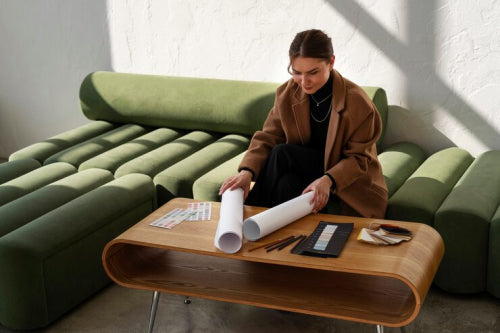
Picture this: stepping into a cozy Canadian living room where the furniture blends seamlessly into the space, exuding quiet elegance without overpowering the room. Warm wooden tones, subtle textures, and designs that feel eternally relevant these are the hallmarks of a growing preference among homeowners.Canadians are increasingly gravitating toward pieces that promise longevity over fleeting trends. This evolution in consumer behavior isn't just anecdotal; it's backed by robust market data and shifting lifestyles. In fact, the Canadian demand for timeless furniture is surging, reflecting a broader desire for quality that withstands time and use.
Mass-market furniture lacks heart, filling rooms with bland, short-lived pieces. Frequent breakdowns spark frustration, as replacements erode style and sentiment. At MMC Wood Creations, Udaipur artisans shape heirloom furniture with enduring craftsmanship and cozy elegance, creating pieces that echo your identity, ensuring your home radiates warmth and timeless connection. Shop Now!
The Expanding Canadian Furniture Landscape
The furniture industry in Canada is demonstrating remarkable resilience and expansion, even amid economic fluctuations. According to recent analyses, the overall market reached a valuation of USD 18.68 billion in 2025, with expectations of steady advancement at a compound annual growth rate of 4.90% from 2026 to 2035, culminating in USD 30.14 billion by the end of that period. This positions Canada as the 11th largest furniture market globally, underscoring its significance on the international stage.
Diving deeper into the home furniture segment, which is particularly relevant to timeless designs, the picture is equally promising. One report indicates that this niche was worth USD 18.5 billion in 2023 and is on track to hit USD 30.5 billion by 2033, propelled by a CAGR of 5.13% over that decade. Factors fueling this include a strong inclination toward wooden items, prized for their eco-friendliness and sustainability think reclaimed wood or timber certified by the Forest Stewardship Council. Additionally, there's heightened demand for multifunctional pieces that suit compact urban living spaces.
Another perspective highlights the home furniture market's projected size at USD 8.70 billion for 2025, escalating to USD 11.86 billion by 2030 at a robust CAGR of 6.40%. This growth outstrips the nation's GDP expansion, signaling that furniture is capturing a bigger slice of consumer budgets despite inflationary pressures. Key contributors include rapid urban housing changes, the enduring hybrid work model that necessitates comfortable home setups, and a surge in preferences for environmentally certified materials. Recent economic moves, such as the Bank of Canada's interest rate reduction to 3.25% in January 2025, have further stimulated purchases in mid-range and premium categories.
These insights, drawn from authoritative sources, paint a vivid portrait of a sector that's not just surviving but thriving. Employment figures add another layer: home furnishing stores provided jobs for 25,522 individuals in 2021. Moreover, the industry's structure reveals a landscape dominated by smaller entities 41.8% micro companies, 57% small firms with 6 to 99 employees, and merely 1.2% large operations exceeding 500 staff members, based on 2021 government data. Small to mid-size enterprises in home decor averaged USD 796,000 in revenue back in 2019, illustrating the vital role of nimble players in driving innovation.
Moving Beyond Transient Trends
In an age where fashion cycles accelerate, many Canadians are rejecting the disposability of "fast furniture" those inexpensive, trendy items that lose luster or integrity quickly. Instead, there's a pivot toward designs that endure, featuring clean aesthetics, balanced forms, and superior craftsmanship. These elements ensure functionality doesn't compromise beauty, creating pieces that adapt to evolving tastes without needing replacement.
This shift aligns with broader societal values like sustainability and mindful spending. Timeless furniture bridges the gap between high-end aspirations and everyday affordability, offering durability that handles family life, relocations, and daily wear. It's an investment that minimizes environmental impact by reducing landfill contributions and curbing the need for frequent buys. As consumers become more conscious, the appeal of such pieces grows, fostering homes that feel authentic and lasting.
Market trends reinforce this: personalization is on the rise, with brands allowing custom choices in fabrics and configurations. Ergonomics gained traction post-pandemic, leading to adjustable desks and chairs for home offices. Minimalism, with its emphasis on simplicity and neutral palettes, complements timeless styles, while multipurpose items like sofa beds and extendable tables maximize utility in smaller spaces. Natural motifs, incorporating plants and organic materials, further enhance the serene, enduring vibe many seek.
The Enduring Appeal of Wood and Cane
Among materials, wood stands out as a perennial favorite in Canadian households, celebrated for its inherent warmth, adaptability, and robustness. Industry reports emphasize this preference, noting how it drives market growth through sustainable sourcing. Cane, often intertwined with wood, adds a layer of sophistication its lightweight structure, strength, and breathable weave create textured accents that elevate any setting.
Cane's heritage spans centuries, from traditional outdoor applications to contemporary indoor uses, making its comeback timely. In Canada's diverse weather patterns, cane proves resilient when treated appropriately, thriving in both interior and exterior environments. Paired with solid wood, it yields furniture that's not only stylish but also cost-effective and hardy, meeting the demands of modern shoppers who prioritize value without skimping on quality.
Segment breakdowns offer more context: wood held a 40% market share in 2024, while bedroom furniture led overall at 30%. Home office pieces are set to grow fastest at 6.6% CAGR through 2030, reflecting ongoing remote work needs. These statistics underline how materials like wood and cane fit into high-demand categories, supporting timeless designs that resonate across demographics.
Designing Durable Outdoor Havens
Canadians make the most of their fleeting warm seasons, transforming patios and balconies into vital extensions of indoor living. Here, furniture must endure elements like precipitation, UV exposure, and cold snaps. Timeless options such as teak dining sets, resilient wooden benches, and cane-infused loungers excel in this arena, preserving their charm through years of use.
Social media and online marketplaces buzz with searches for these enduring outdoor ensembles, which enhance gatherings without the hassle of annual overhauls. The principles remain consistent: timeless silhouettes, premium materials, and reasonable pricing. As urban dwellers seek to optimize limited outdoor areas, multifunctional and weather-resistant pieces gain traction, aligning with the broader market's push toward sustainability.
Geographically, regions like Ontario (36.2% market share in 2024) and British Columbia (projected 6.5% CAGR to 2030) lead, influenced by population density and lifestyle trends. Distribution channels evolve too, with specialty stores at 35% revenue in 2024 and online sales surging at 7.0% CAGR, making timeless outdoor furniture more accessible than ever.
Opportunities for Emerging Brands
While giants like Leon's Furniture, with its 306 stores nationwide, command attention, the market's moderate fragmentation opens doors for agile newcomers. These entrants can target booming niches cane, wood, and outdoor categories delivering classic, accessible designs. Free from legacy costs, they often provide superior value through focused craftsmanship and customer-centric approaches.
Take MMC Wood Creations as a prime example. This brand specializes in cane and wooden furniture, including outdoor lines, emphasizing builds that are both budget-friendly and built to last. By honing in on timeless aesthetics that outlive fads, they address common consumer hesitations about new entrants, proving that fresh perspectives can deliver reliability and style. In a market buoyed by immigration-driven household growth and renovation booms, such brands thrive by aligning with eco-conscious and practical demands.
Recent developments illustrate dynamism: Cozey's ascent in October 2024, Transformer Table's partnership with Marie Kondo in September 2024, and IKEA's hefty USD 400 million investment in Canadian fulfillment centers in June 2023. These moves highlight innovation, from smart tech integrations to sustainable practices, enriching the ecosystem for all players.
A Forward-Looking Perspective
The data narrates a tale of consistent progress in Canada's furniture realm, but the essence lies in evolving priorities. Homeowners are opting for deliberate choices favoring depth over superficiality, durability over disposability. This mindset crafts spaces that are intimately personal, supremely comfortable, and resilient over time.
Timeless furniture emerges as a cornerstone of this transformation: pragmatic, aesthetically pleasing, and engineered for endurance. For those outfitting their abodes now, the implication is profound the selections made today will influence home ambiance for generations. With a market this dynamic and diverse, sourcing ideal pieces is more straightforward and rewarding than ever before.
Frequently Asked Questions
Why is the demand for timeless furniture increasing in Canada in 2025?
Canadians are shifting away from "fast furniture" and disposable trends toward pieces that offer longevity, quality craftsmanship, and sustainable materials. This change reflects broader values like environmental consciousness and mindful spending, with consumers seeking furniture that withstands daily use, adapts to evolving tastes, and reduces the need for frequent replacements. The Canadian furniture market is projected to grow from USD 18.68 billion in 2025 to USD 30.14 billion by 2035, demonstrating strong consumer preference for durable, investment-worthy pieces.
What materials are most popular for timeless furniture in Canada?
Wood dominates the Canadian timeless furniture market, holding a 40% market share in 2024, prized for its warmth, durability, and eco-friendly sourcing options like FSC-certified timber and reclaimed materials. Cane has also made a significant comeback, valued for its lightweight strength, breathable weave, and sophisticated texture that elevates both indoor and outdoor furniture. Together, these natural materials create pieces that are cost-effective, resilient across Canada's diverse weather conditions, and align with the growing demand for sustainable home furnishings.
How is the Canadian outdoor furniture market evolving toward timeless designs?
Canadian homeowners are increasingly investing in durable outdoor furniture made from materials like teak, treated wood, and cane that can withstand precipitation, UV exposure, and temperature fluctuations while maintaining their aesthetic appeal for years. The shift toward timeless outdoor pieces such as classic dining sets and weather-resistant loungers reflects the desire to create outdoor living spaces that serve as extensions of the home without requiring annual replacements. This trend is supported by the home office and outdoor furniture segments showing the fastest growth rates at 6.6% CAGR through 2030.
Disclaimer: The above helpful resources content contains personal opinions and experiences. The information provided is for general knowledge and does not constitute professional advice.
You may also be interested in: Profiles of Master Carpenters Shaping Modern Interiors
Mass-market furniture lacks heart, filling rooms with bland, short-lived pieces. Frequent breakdowns spark frustration, as replacements erode style and sentiment. At MMC Wood Creations, Udaipur artisans shape heirloom furniture with enduring craftsmanship and cozy elegance, creating pieces that echo your identity, ensuring your home radiates warmth and timeless connection. Shop Now!
Powered by flareAI.co