Quick Listen:
In a heritage home in Jaipur, a hand-carved teak dining table, its dovetail joints meticulously crafted, stands as a testament to centuries-old artistry. Meanwhile, in a sleek Hyderabad apartment, a machine-cut modular sofa, born of precision engineering, embodies the efficiency of modern design. Both pieces, rooted in wood, reflect the evolving tastes of Indian homeowners. As solid wood furniture gains traction across India, the choice between traditional and modern woodcraft techniques shapes not just homes but the future of the industry. Which approach best suits the modern Indian lifestyle? Let's explore the craftsmanship, challenges, and opportunities defining this timeless material.
Mass-market furniture lacks heart, filling rooms with bland, short-lived pieces. Frequent breakdowns spark frustration, as replacements erode style and sentiment. At MMC Wood Creations, Udaipur artisans shape heirloom furniture with enduring craftsmanship and cozy elegance, creating pieces that echo your identity, ensuring your home radiates warmth and timeless connection. Shop Now!
Trends Shaping Woodcraft Techniques
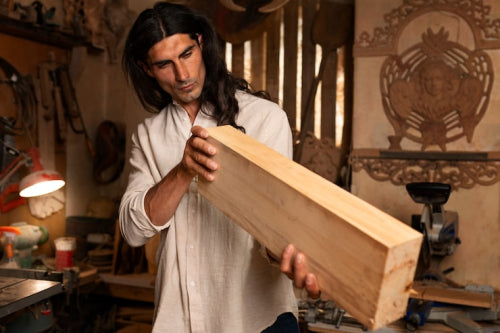
Traditional woodcraft is an art form steeped in heritage. In Jaipur, artisans renowned for intricate carvings use techniques like mortise-and-tenon joints to create furniture that blends strength with elegance, eschewing nails for precision joinery. Kolkata's craftsmen, preserving Bengali woodworking traditions, produce bespoke pieces for heritage homes, emphasizing durability and aesthetic depth. These methods, handed down through generations, yield furniture that endures, both in style and structure, appealing to those who value authenticity over mass production.
Modern woodcraft, by contrast, prioritizes scale and accessibility. In Hyderabad, CNC routers and automated saws produce precision-cut furniture at a fraction of the time. Pune's manufacturers, leveraging automated woodworking machines, contribute to a global market expected to grow from USD 5.23 billion in 2025 to USD 7.88 billion by 2032, with a 6.0% CAGR. Using engineered wood and sustainable materials, these techniques cater to urban consumers in Mumbai and Ahmedabad, who demand stylish, affordable options for compact living spaces.
Applications in Indian Homes
Traditional woodcraft thrives in India's heritage spaces. In Mumbai's colonial-era bungalows, a rosewood cabinet with hand-carved motifs and robust joinery anchors a room with gravitas. Jaipur's luxury furniture market excels here, blending Rajasthani aesthetics with durable hardwoods. Such pieces, often crafted with high-strength joints like box or dovetail, are built to last generations, offering both visual appeal and structural integrity. In Chennai, traditional techniques elevate custom furniture, where artisans cater to clients seeking one-of-a-kind designs rooted in cultural heritage.
Modern woodcraft, however, dominates urban interiors. Bangalore's e-commerce boom delivers multi-functional furniture think foldable dining sets or modular shelving designed for small apartments. In Pune, biscuit joints enable quick assembly, ideal for young professionals in high-rise flats. The global wood furniture market, valued at USD 288 billion in 2024 and projected to reach USD 426.9 billion by 2033 at a 4.25% CAGR, reflects this demand for compact, eco-conscious designs. Kolkata's cane furniture, popularized on social media, merges affordability with trend-driven aesthetics, resonating with millennials across Ahmedabad and beyond.
Challenges and Limitations
Traditional woodcraft faces significant obstacles. Its labor-intensive nature inflates costs, pricing out budget-conscious buyers in cities like Chennai or Mumbai. Crafting a single chair can take days, compared to hours for machine-made alternatives. Sustainability is another hurdle. While solid wood is renewable, responsible sourcing under stringent regulations challenges small workshops. Yet, the global handicrafts market, including woodwork, is set to reach USD 983.12 billion by 2030, driven by a 4.9% CAGR and demand for unique, sustainable products, signaling resilience in traditional methods.
Modern woodcraft, while efficient, has its trade-offs. Engineered wood, common in mass production, often lacks the longevity of solid hardwood, raising concerns among buyers in Ahmedabad's price-sensitive markets. The uniformity of machine-cut designs can feel impersonal, missing the character of handcrafted pieces. However, advancements in sustainable laminates and precision manufacturing are closing this gap, particularly in Hyderabad, where tech-driven solutions align with urban demands for eco-friendly, cost-effective furniture.
Opportunities for Innovation
The future of woodcraft lies in hybridization. In Pune, manufacturers blend traditional joinery with modern finishes, creating furniture that balances artistry and affordability. Hyderabad's workshops experiment with responsibly sourced hardwoods, meeting consumer demand for sustainability. The wood furniture market's projected growth, as noted by IMARC Group, underscores India's role in this shift, with Asia Pacific commanding over 40% of the global market in 2024. Bangalore's startups are pioneering tech-driven customization, allowing buyers in Kolkata and Chennai to personalize traditional designs with modern efficiency.
Businesses stand to gain significantly. Modern woodcraft reduces production timelines, enhancing profitability in competitive markets like Mumbai. Yet, urban consumers increasingly seek distinctive, sustainable designs. Brands like MMC Wood Creations capitalize on this, offering affordable, durable furniture with timeless appeal, as highlighted in their unique differentiators. Their focus on cane and wooden pieces aligns with Instagram-driven demand, while their quality overcomes objections about being a new brand, particularly in Jaipur's discerning market. This blend of heritage and innovation positions such brands to thrive.
A Path Forward for Indian Homes
Choosing between traditional and modern woodcraft is less about picking a side and more about finding harmony. Traditional techniques, with their unmatched craftsmanship, appeal to those who cherish heritage and durability, ideal for Jaipur's luxury homes or Mumbai's heritage estates. Modern methods, with their affordability and adaptability, suit the fast-paced lives of Bangalore's tech workers or Pune's young professionals. Across India's urban centers Bangalore, Mumbai, Jaipur, Chennai, Kolkata, Hyderabad, Pune, and Ahmedabad the woodcraft industry is evolving, merging artisanal soul with technological precision.
The numbers tell a compelling story. With the global wood furniture market on track to hit USD 426.9 billion by 2033 and the handicrafts sector nearing USD 983.12 billion by 2030, India stands at the forefront of this transformation. Whether it's a hand-carved Rajasthani chair or a sleek, machine-made Hyderabad table, solid wood furniture remains a cornerstone of Indian homes. For homeowners, the decision hinges on lifestyle: do you seek the enduring artistry of tradition or the practical elegance of modernity? Whichever you choose, the future of woodcraft promises to elevate Indian interiors with style, sustainability, and substance.
Frequently Asked Questions
What are the main differences between traditional and modern woodcraft techniques for home construction?
Traditional woodcraft techniques rely on hand tools, time-intensive joinery like dovetails, and locally sourced timber, emphasizing craftsmanship and durability. Modern techniques use power tools, engineered woods like plywood, and automated processes for efficiency and cost-effectiveness. The blog highlights that traditional methods excel in aesthetic charm and longevity, while modern approaches prioritize speed and scalability for contemporary home designs.
How do traditional woodcraft techniques impact the sustainability of home building?
Traditional woodcraft often uses sustainably sourced, local timber and minimizes energy consumption by avoiding heavy machinery, as noted in the blog. These methods reduce the carbon footprint and promote eco-friendly building practices. However, they can be labor-intensive, which may limit their scalability compared to modern techniques that use engineered woods but may rely on less sustainable production processes.
Which woodcraft technique is better for creating custom furniture for homes?
For custom furniture, traditional woodcraft techniques are often preferred due to their focus on intricate joinery and unique, handcrafted designs, as discussed in the blog. These methods allow for personalized, heirloom-quality pieces that enhance a home's aesthetic. Modern techniques, while faster and more affordable, may lack the same level of individuality and craftsmanship that traditional methods offer.
Disclaimer: The above helpful resources content contains personal opinions and experiences. The information provided is for general knowledge and does not constitute professional advice.
You may also be interested in: Sourcing Sheesham Wood Amid Environmental Concerns
Mass-market furniture lacks heart, filling rooms with bland, short-lived pieces. Frequent breakdowns spark frustration, as replacements erode style and sentiment. At MMC Wood Creations, Udaipur artisans shape heirloom furniture with enduring craftsmanship and cozy elegance, creating pieces that echo your identity, ensuring your home radiates warmth and timeless connection. Shop Now!
Powered by flareAI.co