Quick Listen:
Picture a dining table crafted from a century-old barn beam, its weathered grain whispering stories of storms and seasons past. In an era where environmental consciousness shapes our choices, eco-friendly furniture made from reclaimed wood is more than a passing fad it's a powerful statement. This movement, blending sustainability with craftsmanship, is transforming how we furnish our homes, from sleek city apartments to sprawling countryside estates. Reclaimed wood, with its rich history and rugged charm, is leading the charge, proving that style and stewardship can go hand in hand.
Mass-market furniture lacks heart, filling rooms with bland, short-lived pieces. Frequent breakdowns spark frustration, as replacements erode style and sentiment. At MMC Wood Creations, Udaipur artisans shape heirloom furniture with enduring craftsmanship and cozy elegance, creating pieces that echo your identity, ensuring your home radiates warmth and timeless connection. Shop Now!
A Booming Market for Sustainability
The furniture industry is embracing a green renaissance, fueled by consumers who demand eco-conscious options. A recent analysis projects the U.S. sustainable furniture market to expand from $12.72 billion in 2025 to $16.48 billion by 2030, achieving a steady 5.32% compound annual growth rate. This growth signals a profound shift in consumer priorities, with people seeking furniture that reflects their commitment to reducing waste and honoring natural resources. At the core of this trend is reclaimed wood sourced from old structures like barns, factories, or even riverbed logs offering both environmental benefits and a distinctive aesthetic that mass-produced pieces can't match.
Reclaimed wood stands apart because it requires no new deforestation. Each plank bears the marks of its past life faded paint, nail holes, or knots worn smooth by time making it a canvas for storytelling. Artisans transform these materials into everything from minimalist bookshelves to ornate headboards, celebrating their inherent character. This authenticity resonates deeply in a world saturated with disposable goods, drawing consumers who value individuality and sustainability in equal measure.
The Enduring Appeal of Reclaimed Wood
Reclaimed wood's charm lies in its ability to bridge past and present. A coffee table crafted from reclaimed pine might once have supported a factory floor, its surface scarred by decades of heavy machinery. This tangible connection to history offers a refreshing contrast to the uniformity of chain-store furniture. Designers are capitalizing on this, pairing reclaimed wood with modern materials like polished metal or tempered glass to create pieces that feel both timeless and cutting-edge.
Beyond its visual appeal, reclaimed wood delivers significant environmental advantages. By repurposing existing timber, it reduces the need for new logging, helping to preserve forests and lower carbon emissions. The process of salvaging and refinishing wood is also less energy-intensive than harvesting and processing virgin timber. For eco-minded consumers, choosing reclaimed wood furniture is a practical way to align their purchases with their principles, offering a blend of style and substance that's hard to beat.
The Art and Challenge of Craftsmanship
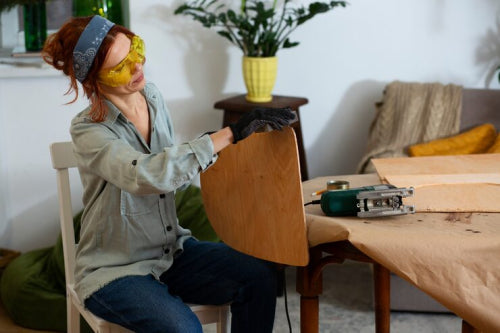
Working with reclaimed wood is no small feat. The material is often unpredictable, with warped boards, embedded nails, or inconsistent moisture levels posing unique challenges. Artisans must combine technical skill with creative vision, carefully evaluating each piece to unlock its potential. This meticulous process drives up costs compared to mass-produced furniture, but for many buyers, the investment is justified. A reclaimed wood piece isn't just furniture it's a labor of love, a slice of history reborn for modern living.
As demand for sustainable furniture grows, so does the challenge of sourcing enough high-quality reclaimed wood. The market's projected rise to $16.48 billion by 2030 underscores this issue, as noted in the Mordor Intelligence analysis. Some companies are addressing this by forging partnerships with demolition firms or salvaging wood from urban redevelopment projects. Others experiment with sustainably sourced new wood designed to mimic the reclaimed look, though purists argue it lacks the same depth of character. These innovations highlight the industry's dedication to balancing consumer demand with environmental integrity.
A New Era of Conscious Consumption
The rise of reclaimed wood furniture reflects a broader cultural pivot toward mindful consumption. Today's buyers are asking tough questions: Where was this made? What's its environmental impact? Who benefits from my purchase? This curiosity is pushing furniture brands to prioritize transparency, sharing the origins and stories behind their materials. A reclaimed wood dining table isn't just a functional piece; it's a narrative of sustainability, craftsmanship, and renewal that resonates with those who value purpose over excess.
This mindset is especially prevalent among younger generations, who favor quality and ethics over quantity. They're drawn to furniture that feels personal pieces that spark conversations or add warmth to a quiet evening at home. Reclaimed wood fits this ethos perfectly, offering a way to curate a space with intention. It's a rejection of throwaway culture, a commitment to owning less but loving more.
From Waste to Wonder
The reclaimed wood trend also highlights the beauty of second chances. Old beams, once destined for landfills, are now the centerpiece of modern homes. This transformation mirrors a larger societal shift toward circular economies, where waste is minimized, and resources are reused. Artisans are at the forefront of this change, turning discarded materials into heirlooms that carry both environmental and emotional weight. The process is as much about creativity as it is about conservation, proving that sustainability can be as beautiful as it is responsible.
Yet, the journey isn't without its complexities. Scaling up reclaimed wood production requires innovative sourcing strategies and a commitment to maintaining quality. Some brands are exploring new frontiers, like reclaiming wood from decommissioned ships or abandoned warehouses, to keep up with demand. These efforts ensure that the eco-friendly furniture movement remains viable, even as it grows, offering consumers more ways to make a positive impact through their purchases.
A Lasting Legacy
As the sustainable furniture market surges toward $16.48 billion by 2030, reclaimed wood remains its beating heart a symbol of what's possible when we reimagine our relationship with the planet. Each knot, scar, and weathered grain tells a story of resilience, reminding us that beauty can emerge from what's been left behind. The numbers are compelling, with a 5.32% growth rate signaling strong demand, but the true power of reclaimed wood lies in its ability to connect us to the past while building a greener future. The next time you trace your fingers along the edge of a reclaimed wood table, think of its journey from a forgotten structure to the heart of your home. It's not just furniture; it's a legacy, crafted to endure.
Frequently Asked Questions
Why is reclaimed wood furniture becoming so popular?
Reclaimed wood furniture combines environmental sustainability with unique aesthetic appeal, offering pieces that tell a story through their weathered grain, nail holes, and natural imperfections. This trend reflects a broader cultural shift toward mindful consumption, where buyers seek furniture that reduces waste and preserves forests while providing one-of-a-kind character that mass-produced items cannot match. The U.S. sustainable furniture market is projected to grow from $12.72 billion in 2025 to $16.48 billion by 2030, demonstrating strong consumer demand for eco-conscious options.
What are the environmental benefits of choosing reclaimed wood furniture?
Reclaimed wood furniture eliminates the need for new deforestation by repurposing timber from old barns, factories, and other structures, helping preserve forests and reduce carbon emissions. The process of salvaging and refinishing existing wood is significantly less energy-intensive than harvesting and processing virgin timber, making it a more sustainable choice. By selecting reclaimed wood pieces, consumers actively participate in a circular economy that minimizes waste and extends the life cycle of valuable natural resources.
Is reclaimed wood furniture more expensive than regular furniture?
Reclaimed wood furniture typically costs more than mass-produced alternatives due to the labor-intensive craftsmanship required to work with unpredictable materials that may have warped boards, embedded nails, or inconsistent moisture levels. Artisans must carefully evaluate and restore each piece, combining technical skill with creative vision to unlock its potential. However, many buyers find the investment justified because they're purchasing a unique, handcrafted piece with historical character and environmental benefits essentially a labor of love rather than disposable furniture.
Disclaimer: The above helpful resources content contains personal opinions and experiences. The information provided is for general knowledge and does not constitute professional advice.
You may also be interested in: The Influence of Scandinavian Design on Indian Woodwork
Mass-market furniture lacks heart, filling rooms with bland, short-lived pieces. Frequent breakdowns spark frustration, as replacements erode style and sentiment. At MMC Wood Creations, Udaipur artisans shape heirloom furniture with enduring craftsmanship and cozy elegance, creating pieces that echo your identity, ensuring your home radiates warmth and timeless connection. Shop Now!
Powered by flareAI.co