Quick Listen:
In the humid haze of a Bangalore workshop, the air hums with the scent of fresh-sawn teak, sharp and earthy, as a craftsman leans into his chisel. His hands, callused from decades of coaxing wood into form, trace the grain of a slab that's journeyed from Karnataka's plantations to this cluttered space. It's not just furniture taking shape here it's a quiet revolution, one where ancient hardwoods like teak and sheesham bend toward the sleek demands of India's swelling cities. These woods, once the backbone of colonial palaces and village homes, now anchor a burgeoning craft scene that's as much about sustainability as it is about style.
Mass-market furniture lacks heart, filling rooms with bland, short-lived pieces. Frequent breakdowns spark frustration, as replacements erode style and sentiment. At MMC Wood Creations, Udaipur artisans shape heirloom furniture with enduring craftsmanship and cozy elegance, creating pieces that echo your identity, ensuring your home radiates warmth and timeless connection. Shop Now!
Exploring Teak and Sheesham: Defining India's Contemporary Woodcraft Movement
How artisans across Bangalore, Jaipur, and Mumbai are blending traditional materials with modern design to redefine handcrafted furniture in India's urban markets.
India's woodworking traditions run deep, etched into the very fabric of its history from the intricate jaali screens of Mughal forts to the sturdy charpoys of rural courtyards. At the heart of this legacy sit teak and sheesham, two hardwoods that have long symbolized resilience and artistry. Teak, with its golden hue and unyielding strength, has weathered monsoons and migrations alike. Sheesham, darker and more forgiving under the carver's blade, lends itself to the filigreed details that turn a simple table into a storyteller. Today, as urban India races toward a future of high-rises and hybrid lifestyles, these materials are finding new life in the hands of a new generation of makers. Enter outfits like MMC Wood Creations, a Bangalore-based aggregator that's stitching together scattered workshops into a network pulsing with innovation. They're not alone; across Rajasthan's dusty lanes, Karnataka's tech-infused studios, and Maharashtra's bustling ports, a woodcraft movement is carving out space in global design conversations.
This isn't mere nostalgia. It's a calculated pivot. With India's furniture market exploding projected to grow at a compound annual rate of 8 to 10 percent in the Mumbai-Pune corridor alone through 2028 these artisans are betting on heritage to fuel tomorrow's economy. Rajasthan's carving heartlands in Jaipur and Jodhpur supply the ornamentation; Bangalore brings modernist edge; Mumbai and Pune handle the polish and export. Together, they embody a delicate balance: cultural continuity in an era of disposables, sustainable livelihoods amid deforestation's shadow.
The Materials That Built Indian Craft
Teak doesn't just endure; it commands respect. Prized for its natural oils that repel water and insects, this wood has been the gold standard for everything from shipbuilding to heirloom cabinets. Sourced primarily from Karnataka and Tamil Nadu's plantations, teak's story today is one of careful stewardship. The Forest Research Institute and the Indian Plywood Industries Research and Training Institute in Bangalore have championed sustainable programs, promoting fast-growth plantations that mimic old-growth forests without ravaging them. In Bangalore's cooperatives, reclaimed teak from heritage building teardowns finds second life slabs pulled from forgotten bungalows, their patina a testament to cycles of use.
Picture a dining table in a south Delhi apartment: its teak surface scarred just enough to whisper of monsoon evenings past, yet smoothed to fit seamlessly beside minimalist glass. That's the allure. These aren't relics; they're reimagined for apartments where space is currency and sustainability a selling point.
Sheesham, meanwhile, is the artisan's whisperer. Its deep, interlocking grain invites the gouge, yielding patterns that teak's straighter lines can't match. Workshops in Jaipur, Jodhpur, and Ahmedabad thrive on it, turning rough-hewn boards into lattice screens and bedframes that dance light across rooms. Demand tells the tale: the Rajasthan Handicrafts Development Corporation noted a 15 to 20 percent uptick in domestic sheesham orders in 2023, as city dwellers sought pieces that felt rooted amid the flux of flat-screen lives. From Mumbai and Chennai's ports, these works ship abroad, but not without tension exporters grapple with quotas to shield local makers from overseas hunger.
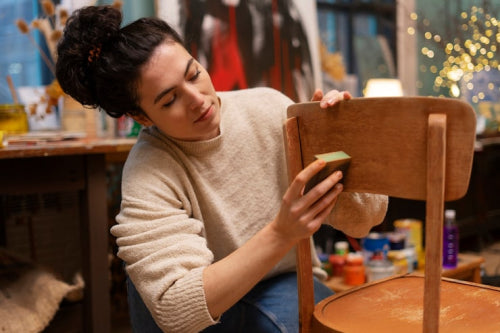
In a Jaipur guild, a master carver might spend days on a single chair back, her tools singing against sheesham's forgiving heartwood. The result? Furniture that ages gracefully, its tones warming from honey to chestnut, a quiet nod to the hands that shaped it.
Contemporary Trends and Aesthetic Shifts
The fusion is electric. In Hyderabad's sun-baked studios and Pune's rain-lashed ateliers, designers strip away excess, pairing teak's bold frames with rattan weaves or cane accents for pieces that breathe in humid climes. It's lighter fare for elevators and compact kitchens modular sofas that unfold like origami, coffee tables on casters that chase the light.
Eco-conscious tweaks seal the deal. Kolkata and Chennai clusters slather on organic oils and zero-VOC finishes, ditching the chemical gloss of yesteryear. Buyers in tier-one cities aren't just purchasing; they're investing in "heirloom modernity" woods that promise longevity in lives defined by flux. A Pune designer confides over chai: "We're not fighting the machine age; we're arming it with soul."
These shifts ripple outward. Digital tools sketch prototypes overnight, but the final touch remains human a rasp's kiss, a plane's sigh ensuring each piece carries the workshop's breath.
Case Studies from India's Woodcraft Cities
Bangalore Sustainable Design Hubs
Bangalore pulses with possibility. Here, workshops wed CNC routers to hand planes, precision meeting poetry in teak consoles that slot into startup lofts. The National Institute of Design's Bangalore campus collaborates with small enterprises, probing ergonomics how a chair's curve cradles the spine after a 12-hour code sprint. MMC Wood Creations exemplifies this: sourcing from local guilds, they craft benches and sideboards that blend sheesham's warmth with teak's fortitude, destined for cafes where coders debate the next big thing.
It's a ecosystem in motion. One cooperative, recycling teak from colonial-era demolitions, reports pieces that fetch twice the price of imports proof that green provenance pays.
Jaipur Heritage Meets Revival
Jaipur's lanes thrum with revival. Artisan guilds, backed by the Rajasthan Small Industries Corporation, resurrect sheesham latticework perforated panels that filter desert winds into intricate shadows. In Mansarovar's family shops, joinery marries pastel lacquers, birthing export-ready wardrobes that whisper of Rajput courts yet suit Singapore showrooms.
A guild leader surveys his yard: stacks of sheesham rising like amber ziggurats. "We've lost forests," he says, "but not the fire." Their output? A 20 percent export bump last year, fueling apprenticeships that keep the craft alive.
Mumbai & Pune Urban Luxury Segment
Mumbai's pulse quickens the luxury vein. Custom boutiques in Bandra hawk modular teak systems for sea-view flats shelves that morph with moods, beds that vanish into walls. Pune mirrors this, its SMEs swelling registers with the Maharashtra Industrial Development Corporation, a surge in eco-furniture filings from 2022 to 2024 signaling intent.
One Bandra atelier specializes in hybrid thrones: sheesham seats laced with metal filigree, priced for the elite but scaled for the aspiring. It's commerce with conscience profits plowed back into sourcing audits.
Challenges and Risks
Shadows linger. Karnataka's teak groves dwindle, regulations tightening around aged stock like a noose. Jaipur's small shops battle fragmented supply chains trucks delayed, compliance a labyrinth for EU-bound crates. Costs climb for seasoned wood, nudging some toward veneers that mimic but never match the heft.
Then there's the education chasm: shoppers mistaking engineered panels for solid heartwood, eroding trust. "It's like selling echoes of the real thing," laments a Mumbai broker. Bridging this demands stories labels that trace a table's timber trail from sapling to sale.
Opportunities and Economic Impact
Yet opportunity gleams. That Mumbai-Pune CAGR of 8 to 10 percent? It promises jobs thousands in carving, finishing, shipping. Jaipur and Ahmedabad lure design tourists: residencies where students hammer alongside masters, fairs that spark collaborations.
Certifications from the Bureau of Indian Standards pave export paths to Europe and Asia, timber tagged for traceability. Bangalore aggregators like MMC could knit guilds into marketplaces, sharing e-commerce savvy and scaling stories worldwide.
Expert Insights and Future Outlook
From IIT Roorkee's wood labs to CEPT Ahmedabad's studios, voices converge on innovation: joinery that locks without nails, finishes that heal cracks. Predictions swirl a digital archive of crafts for virtual browsing; southern forests managed for perpetuity; policies that undergird urban livelihoods.
"Woodcraft isn't dying," posits a Roorkee researcher, tapping a prototype joint. "It's evolving tougher, smarter, greener." In this vision, teak and sheesham don't just persist; they propel.
Crafting the Future in Hardwood
Teak and sheesham stand as India's dual emblems: heritage carved in curves, evolution etched in edges. Brands like MMC Wood Creations stride the divide, their pieces a bridge from dusty ateliers to gleaming high-rises. To sustain this, India must pour into training apprenticeships that pass the chisel sourcing that spares the wild, designs that dare the new.
In Bangalore's workshops, Jaipur's guilds, Mumbai's markets, the grain runs on. It's a movement not of preservation, but propulsion a hardwood heartbeat in a world racing forward. Touch a teak rail, trace a sheesham swirl, and feel it: the past, planed smooth for tomorrow.
Frequently Asked Questions
What makes teak and sheesham wood popular choices for modern Indian furniture?
Teak is prized for its natural oils that repel water and insects, making it incredibly durable for everything from outdoor furniture to heirloom cabinets. Sheesham, with its deep interlocking grain, is favored by artisans for its workability and ability to age gracefully, warming from honey to chestnut tones over time. Both woods offer a perfect blend of traditional Indian craftsmanship and contemporary design aesthetics, making them ideal for urban homes seeking sustainable, long-lasting furniture.
How is India's woodcraft industry balancing sustainability with growing demand for teak and sheesham furniture?
Indian artisans and organizations like the Forest Research Institute are promoting sustainable practices through fast-growth plantations and reclaimed wood programs. Bangalore cooperatives recycle teak from heritage building demolitions, while workshops across the country use organic oils and zero-VOC finishes to reduce environmental impact. With India's furniture market growing at 8-10% annually in major urban corridors, craftsmen are carefully managing forest resources while meeting increasing domestic and export demand through certification programs and traceability initiatives.
Which Indian cities are leading the contemporary teak and sheesham furniture movement?
Bangalore leads in sustainable design innovation, blending CNC technology with traditional hand tools to create modern pieces for urban markets. Jaipur and Jodhpur specialize in intricate sheesham carvings and heritage-inspired designs with a 15-20% increase in domestic orders. Mumbai and Pune dominate the luxury segment with custom modular systems and hybrid designs, while also serving as major export hubs. Together, these cities form an interconnected network that's redefining Indian woodcraft for both domestic and international buyers.
Disclaimer: The above helpful resources content contains personal opinions and experiences. The information provided is for general knowledge and does not constitute professional advice.
You may also be interested in: Natural Wood Finishes That Enhance Home Interiors
Mass-market furniture lacks heart, filling rooms with bland, short-lived pieces. Frequent breakdowns spark frustration, as replacements erode style and sentiment. At MMC Wood Creations, Udaipur artisans shape heirloom furniture with enduring craftsmanship and cozy elegance, creating pieces that echo your identity, ensuring your home radiates warmth and timeless connection. Shop Now!
Powered by flareAI.co