Quick Listen:
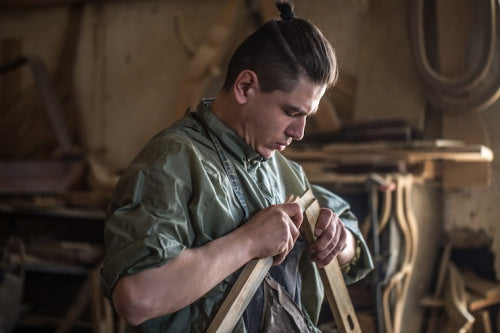
In the narrow lanes of Jaipur, the rhythmic tap of chisel on rosewood carries echoes of Mughal grandeur, as artisans etch delicate jali screens that have adorned palaces for centuries. Across the subcontinent, in a bright Bangalore studio, a skilled hand guides sustainable teak through a humming CNC router, marrying ancestral finesse with contemporary exactness. Far from vanishing, woodworking in India's bustling urban centers is undergoing a measured yet dynamic revival honoring regional legacies while responding to modern pressures of urbanization, sustainability, and market evolution.
This resurgence underscores a craft economy where cultural depth meets practical innovation. Key hubs include Jaipur's storied carving clusters, Bangalore's tech-infused maker spaces, Mumbai's tailored furniture ateliers, Chennai's temple-focused restorations, Kolkata's institution-linked fine work, Ahmedabad's cooperative architectural projects, Pune's collaborative design ventures, and Hyderabad's rising contributions. These cities sustain artisans, fuel interior design, support heritage preservation, and bolster the MSME landscape.
Mass-market furniture lacks heart, filling rooms with bland, short-lived pieces. Frequent breakdowns spark frustration, as replacements erode style and sentiment. At MMC Wood Creations, Udaipur artisans shape heirloom furniture with enduring craftsmanship and cozy elegance, creating pieces that echo your identity, ensuring your home radiates warmth and timeless connection. Shop Now!
Regional Foundations of Woodworking Arts
India's woodworking traditions vary strikingly by locale, shaped by history, available timbers, and community structures. Jaipur excels in ornate hand-carved furniture, lattice jali work, and lacquer finishes rooted in Rajput and Mughal influences, upheld by multigenerational family workshops that emphasize precision and continuity.
Kolkata directs its refined skills toward sculpture, theatrical sets, and conservation efforts, frequently connected to art colleges where craftsmanship intersects with artistic vision.
Ahmedabad prioritizes structural and temple elements, strengthened by artisan cooperatives and design institutions committed to collective safeguarding of techniques.
Chennai clings to robust teak practices, evident in grand temple chariot carvings and sacred restorations that blend technical mastery with devotional respect.
Such distinctions in methods, material choices, and purposes ensure the craft's vitality and geographic authenticity.
Emerging Trends and Recent Developments
Transformation appears clearest in Bangalore and Pune, where collaborative maker environments integrate traditional handwork with CNC machinery. Architects and designers here produce items that bridge eras, evident in upcoming gatherings like INDIAWOOD, scheduled for February 26 to March 2, 2026, at the Bangalore International Exhibition Centre. The event spotlights advanced machinery, eco-conscious materials, and forward-thinking processes reshaping the field.
Mumbai's dense living spaces spur demand for compact, bespoke wooden furniture suited to apartments and premium hospitality venues.
State-supported revival efforts invigorate Jaipur and Ahmedabad, alongside wider movements toward responsibly sourced domestic woods, enhanced training through industrial institutes and universities, and online marketplaces that shorten distances between makers and consumers.
Data-Backed Insights From Local Institutions
Institutional and governmental figures highlight woodworking's tangible contributions. The broader handicrafts sector, including wood-based work, supports millions of livelihoods, with dense concentrations in states like Rajasthan, Gujarat, West Bengal, and Tamil Nadu. Recent estimates place handloom and handicraft artisans at around 64.66 lakh nationwide, many in rural-to-urban transitions.
Government programs such as PM Vishwakarma have registered over 30 lakh artisans, with more than 23 lakh receiving skill training as of late 2025, alongside incentives for digital transactions and market linkages. These efforts formalize expertise while respecting origins.
Market analyses reinforce momentum: the global handicrafts industry reached USD 906.8 billion in 2024, projected to grow to USD 1,942.4 billion by 2033 at a CAGR of 8.83%, driven by demand for unique, sustainable handmade goods. Woodwork holds a prominent share, as seen in one report where the segment led with 26.71% revenue in 2024. Complementary sectors show parallel strength the woodworking machinery market stood at USD 4.0 billion in 2024, expected to reach USD 5.5 billion by 2033 (CAGR 3.42%), propelled by customized furniture needs and automation adoption.
Real-World Applications and City-Specific Case Examples
Woodworking delivers both functional and symbolic value today. Jaipur artisans restore heritage hotels and palaces, meticulously renewing carvings that embody Rajasthan's visual identity.
Mumbai workshops produce custom pieces for hotels and residences, converting spatial constraints into refined utility.
Bangalore brands expand wooden home accents via direct-to-consumer models, aligning design with city living preferences.
Chennai maintains elaborate temple chariot traditions, crafting large-scale teak assemblies for religious processions.
Kolkata supports stage design, cinematic sets, and museum preservation, where accuracy serves storytelling.
Key Challenges and Limitations
Barriers endure. Skyrocketing rents and regulatory restrictions in Mumbai and Bangalore compress workshop viability. Jaipur and Ahmedabad confront generational discontinuities as experienced hands retire. Chennai and Kolkata face difficulties passing knowledge amid youth migration to other fields.
Access to certified sustainable timber poses ongoing hurdles, informal setups restrict expansion, and undocumented traditional methods risk erosion.
Opportunities and Business Impact
Prospects remain substantial. Rapid residential growth in Bangalore, Pune, and Hyderabad generates steady call for well-crafted wooden components. Heritage tourism energizes work in Jaipur and Ahmedabad. Branding centered on craft authenticity, international design alliances, and academic collaborations pave routes to scale, advancing MSME vitality, job creation, and localized craft networks.
Policy, Education, and Skill Development
State skill initiatives, design incubators, and documentation projects furnish essential backing. City-based training facilities merge certification with genuine practice, allowing traditions to progress intact.
What Lies Ahead for Woodworking in India's Cities
Seasoned observers in craft scholarship, design academia, and MSME advancement foresee sustained fusion of heritage skills and modern equipment. Domestic consumption appears poised to surpass export reliance, flourishing where cities invest in skill succession, affordable workspaces, and responsible sourcing.
Local governance and institutional commitment will shape outcomes. Amid India's swift changes, woodworking endures from Jaipur's patient hand tools to Bangalore's precise machinery demonstrating craft's capacity to adapt, persist, and motivate. For designers, businesses, and planners, these city ecosystems present a clear directive: safeguard roots, welcome progress, and allow wood to continue narrating its enduring tales.
Frequently Asked Questions
Which Indian cities are leading the woodworking and handicrafts revival?
Major cities driving India's woodworking renaissance include Jaipur (known for ornate hand-carved furniture and jali work), Bangalore (integrating CNC technology with traditional methods), Mumbai (specializing in custom furniture for urban spaces), Chennai (temple chariot carvings and teak work), and Kolkata (fine sculpture and conservation work). Ahmedabad, Pune, and Hyderabad are also emerging as significant contributors, each offering unique regional techniques and design approaches that blend heritage craftsmanship with modern innovation.
What is the market size and growth potential of the handicrafts and woodworking industry?
The global handicrafts industry reached USD 906.8 billion in 2024 and is projected to grow to USD 1,942.4 billion by 2033 at a CAGR of 8.83%, with woodwork holding a prominent 26.71% revenue share. In India, the sector supports approximately 64.66 lakh artisans nationwide, with government initiatives like PM Vishwakarma registering over 30 lakh artisans and providing skill training to more than 23 lakh craftspeople. The woodworking machinery market also shows strong growth, expected to reach USD 5.5 billion by 2033, driven by demand for customized furniture and sustainable handmade goods.
What are the main challenges facing traditional woodworking artisans in Indian cities?
Urban woodworkers face several significant challenges including skyrocketing rents and regulatory restrictions in cities like Mumbai and Bangalore that compress workshop viability, generational discontinuities as experienced artisans retire without successors in Jaipur and Ahmedabad, and youth migration to other fields affecting knowledge transfer in Chennai and Kolkata. Additional barriers include limited access to certified sustainable timber, informal business setups that restrict expansion, and the risk of undocumented traditional methods being lost, though government programs and skill development initiatives are working to address these issues.
Disclaimer: The above helpful resources content contains personal opinions and experiences. The information provided is for general knowledge and does not constitute professional advice.
You may also be interested in: Furniture Industry News - MMC Wood Creations
Mass-market furniture lacks heart, filling rooms with bland, short-lived pieces. Frequent breakdowns spark frustration, as replacements erode style and sentiment. At MMC Wood Creations, Udaipur artisans shape heirloom furniture with enduring craftsmanship and cozy elegance, creating pieces that echo your identity, ensuring your home radiates warmth and timeless connection. Shop Now!
Powered by flareAI.co