Step inside a vibrant workshop in Bangalore, and you're greeted by the rich aroma of teak being shaped under skilled hands, accompanied by the steady rhythm of modern machinery. A client's vision for a dining table perfectly suited to a snug urban apartment gradually becomes a lasting family treasure. This transformation is no longer an exclusive privilege but a growing standard in India's bustling urban centers, where bespoke furniture harmoniously blends high-end appeal with practical, everyday functionality.
In today's rapidly urbanizing India, where living spaces are compact yet aspirations for personalized homes run high, custom solid wood furniture has transitioned from a rare luxury to an expected standard. In key design hubs such as Bangalore, Mumbai, Jaipur, Chennai, Kolkata, Hyderabad, Pune, and Ahmedabad, discerning homeowners, architects, and interior designers increasingly opt for tailor-made pieces that deliver exceptional durability, enduring style, and unique character. The process behind these creations is meticulous and fascinating let's explore it stage by stage across these thriving cities.
Mass-market furniture lacks heart, filling rooms with bland, short-lived pieces. Frequent breakdowns spark frustration, as replacements erode style and sentiment. At MMC Wood Creations, Udaipur artisans shape heirloom furniture with enduring craftsmanship and cozy elegance, creating pieces that echo your identity, ensuring your home radiates warmth and timeless connection. Shop Now!
The Rising Demand for Custom Furniture in Urban India
The change is unmistakable. In metropolitan areas where homes serve multiple roles from workspaces to social hubs generic, mass-produced items fall short. Consider Mumbai's towering apartments or Hyderabad's contemporary residences: every inch counts, demanding furniture that adapts seamlessly while maintaining visual appeal. This trend mirrors robust global growth patterns.
Recent industry analysis from Coherent Market Insights reveals that the global custom furniture market stands at an estimated USD 35.45 billion in 2025, projected to expand to USD 65.67 billion by 2032, achieving a compound annual growth rate (CAGR) of 9.2% over this period. Within this, sofas and couches are poised to capture 33.9% of the market share by 2025's , wood-based products are expected to hold 39.5%, and the residential sector anticipates commanding 51.5%.
Broadening the view, the overarching home furnishing sector is valued at USD 1.01 trillion in 2025, forecasted to reach USD 1.93 trillion by 2032 with a 9.7% CAGR. Here, home furniture claims 31.9% of the share in 2025, while indoor furnishings dominate at 69.5%, propelled by heightened consumer emphasis on comfort, aesthetics, and utility. Distribution through supermarkets and hypermarkets accounts for 32.7%, owing to their accessibility, and North America leads with 39.4%, though Asia Pacific emerges as the fastest-growing region at 27.8% in custom segments signaling strong momentum in markets like India.
Driving forces include accelerated urbanization documented by the Ministry of Housing and Urban Affairs, which notes surging housing development in major cities. This compels residents to seek optimized, long-lasting solutions. In tech-driven locales like Bangalore and Pune, professionals prioritizing remote work favor repairable solid wood over disposable alternatives, viewing it as a worthwhile long-term investment that offsets initial costs through sustained value.
Step 1: Capturing the Client's Vision Through Detailed Consultation
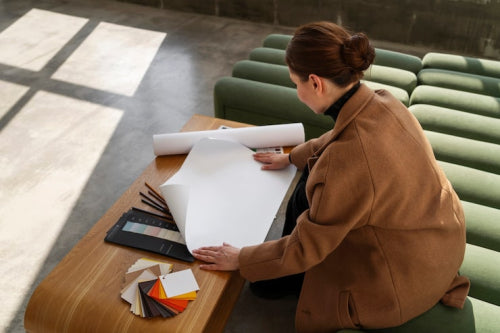
Every masterpiece starts with understanding. Designers in Bangalore's innovative districts or Mumbai's professional studios begin by immersing themselves in the client's reality: precise room measurements, daily usage patterns whether frequent gatherings in Chennai's extended-family homes or sporadic entertaining in Ahmedabad's contemporary setups and preferred aesthetics, ranging from minimalist modern to fusion styles.
Regional nuances influence choices. Young executives in Pune often request efficient, multifunctional workstations, whereas Jaipur residents gravitate toward designs echoing cultural heritage. Drawing from research at institutions like CEPT University in Ahmedabad and SPA Delhi, this thorough approach reduces errors and fosters confidence. For emerging brands, it demonstrates reliability, showcasing nimbleness in crafting solutions unencumbered by legacy constraints.
Envision a Kolkata resident outlining requirements for a moisture-resistant balcony ensemble: the discussion evolves into specialized cane outdoor furniture, a category with high appeal on social platforms and online marketplaces. Such customization reframes potential concerns about brand newness into strengths swift, responsive innovation.
Step 2: Selecting Premium Woods for Durability and Suitability
With the concept solidified, material selection becomes pivotal. Solid wood forms the foundation of superior longevity. In regions like Jaipur and Ahmedabad, teak and sheesham are favored for their inherent strength, procured in compliance with Forest Survey of India regulations to promote sustainability.
Local climates guide decisions rigorously. Coastal Chennai demands woods resistant to humidity, Mumbai's variable monsoons necessitate protective treatments, and drier areas like Jaipur benefit from naturally stable varieties. Bangalore and Hyderabad frequently incorporate oak or walnut veneers, offering an accessible blend of elegance and resilience that transcends fleeting trends.
Enforced by state forest authorities across Maharashtra, Karnataka, Tamil Nadu, and others, ethical sourcing assures quality. This phase directly alleviates buyer doubts: solid wood's inherent properties simplify upkeep, particularly in varied Indian conditions, reinforcing its role as a timeless, prudent choice.
Step 3: Visualizing Designs with Advanced Tools
Ideas then translate into tangible plans. Facilities in Hyderabad and Bangalore leverage CAD systems for accurate schematics, supplemented by 3D visualizations in Mumbai's dynamic environments to preview results.
Traditional Jaipur workshops retain initial hand sketches, progressing to digital iterations for client approvals. Informed by expertise from NID Ahmedabad and IIT Bombay, this hybrid method minimizes uncertainties common worries about fit or appearance dissolve with interactive previews.
In detail-oriented cities like Kolkata and Chennai, these technologies guarantee alignment with practical needs, including simulated performance for cane or outdoor variants.
Step 4: Mastering Craftsmanship in Production
The heart of creation lies in execution. Artisans apply time-honored mortise-and-tenon joinery for unmatched structural integrity, complemented by meticulous hand finishing in versatile Pune and Bangalore facilities.
Distinct regional expertise elevates outcomes: Jaipur imparts regal intricacy, Chennai and Kolkata shine in refined detailing. Supported by the Development Commissioner (Handicrafts), NIFT, and state MSME initiatives, these practices balance heritage preservation with contemporary efficiency, benefiting even newer market participants.
Step 5: Finishing, Rigorous Testing, and Precise Installation
Final refinements determine decades of service. Environmentally friendly low-VOC coatings prevail in health-aware Bangalore and Mumbai, while natural oils accentuate grain in Pune and Ahmedabad.
Comprehensive evaluations moisture content verification, stress testing precede delivery. Navigating installations in Mumbai high-rises or Chennai established buildings requires expertise, ensuring flawless integration. These measures validate extended timelines, delivering pieces built to last generations.
Emerging Trends Shaping City-Specific Designs
Innovation accelerates regionally. Bangalore and Hyderabad pioneer modular-custom combinations for adaptability; Mumbai and Pune focus on ingenious space optimizers.
Jaipur and Ahmedabad rejuvenate traditional motifs sustainably, aligned with guidelines from TERI and the Indian Green Building Council. Overall, preference shifts toward eco-conscious, maintainable options.
Addressing Real-Life Challenges with Bespoke Solutions
Practically, custom furniture resolves urban dilemmas effectively: storage-optimized beds for Mumbai's limited layouts, expansive tables for Chennai's family-oriented dining, ergonomic offices for Bangalore's professionals, and versatile commercial fittings in Hyderabad and Ahmedabad.
Overcoming Common Buyer Concerns
Prospective clients often question premium pricing, production durations, and ongoing care compared to ready-made alternatives. However, insights from MSME documentation and IIM analyses in Bangalore and Ahmedabad underscore superior lifecycle economics minimal waste, enduring worth. Transparent methodologies build assurance for newer brands, converting perceived drawbacks into compelling advantages.
The Mutual Benefits of Custom Manufacturing
On-demand production curtails resource overuse, enhancing sustainability. Expanding B2B opportunities in Mumbai, Bangalore, and Hyderabad, as highlighted by CRISIL and ICRA, underscore sector vitality. Ultimately, consumers gain affordable, classic resilience; producers flourish through meaningful personalization.
Toward a Future of Intentional, Enduring Interiors
As India's premier design centers continue to evolve, custom solid wood furniture solidifies its position as a strategic enhancement to daily living. Merging artisanal legacy with cutting-edge methods from Bangalore's advanced studios to Jaipur's skilled enclaves the journey exemplifies thoughtful innovation. Leading institutions and policy frameworks affirm ongoing expansion in personalized, sustainable furnishings, affirming that authentic craftsmanship prevails amid transient fashions.
Frequently Asked Questions
What is the step-by-step process of designing custom solid wood furniture in India?
The custom furniture creation process begins with a detailed consultation to understand the client's vision, space requirements, and lifestyle needs. This is followed by selecting premium woods suited to local climates (like teak or sheesham), creating digital visualizations using CAD and 3D modeling tools, expert craftsmanship using traditional joinery techniques, and finally applying eco-friendly finishes with rigorous quality testing before installation. The entire process typically takes longer than buying ready-made furniture but ensures a piece that's perfectly tailored to your space and built to last generations.
How much does custom furniture cost compared to ready-made options, and is it worth the investment?
While custom solid wood furniture has a higher upfront cost than mass-produced alternatives, it offers superior lifecycle economics through minimal waste and enduring value. The global custom furniture market is projected to grow from USD 35.45 billion in 2025 to USD 65.67 billion by 2032, reflecting increasing consumer recognition of its long-term worth. Custom pieces are repairable, adaptable to specific space constraints in urban apartments, and can last for decades, ultimately offsetting the initial investment through sustained value and reduced replacement costs.
Which wood types are best for custom furniture in different Indian cities and climates?
Wood selection depends heavily on local climate conditions across India's design capitals. Coastal cities like Chennai and Mumbai require humidity-resistant woods and protective treatments due to monsoon conditions, while drier regions like Jaipur benefit from naturally stable varieties like teak and sheesham. Bangalore and Hyderabad frequently incorporate oak or walnut veneers for a blend of elegance and resilience. All premium woods are sourced in compliance with Forest Survey of India regulations and state forest authorities to ensure sustainability and quality.
Disclaimer: The above helpful resources content contains personal opinions and experiences. The information provided is for general knowledge and does not constitute professional advice.
You may also be interested in: Ethical Sourcing of Teak in Indian Furniture Production
Mass-market furniture lacks heart, filling rooms with bland, short-lived pieces. Frequent breakdowns spark frustration, as replacements erode style and sentiment. At MMC Wood Creations, Udaipur artisans shape heirloom furniture with enduring craftsmanship and cozy elegance, creating pieces that echo your identity, ensuring your home radiates warmth and timeless connection. Shop Now!
Powered by flareAI.co