Picture yourself wandering through a lively apartment in Mumbai, where the city's relentless energy softens into the serene glow of a handcrafted wooden dining table, each grain telling tales of skilled artisanship. Or envision a balcony in Bangalore bathed in sunlight, furnished with cane chairs that harmonize effortlessly with the warm, humid air. Across India's bustling urban centers, furniture transcends mere utility it embodies personal identity, daily routines, and core values. Homeowners in places like Jaipur and Hyderabad face escalating expenses and changing preferences, yet selecting the ideal style can elevate any dwelling into a sanctuary of comfort and expression. This forms the core of our in-depth look at furniture trends shaping modern Indian living.
Mass-market furniture lacks heart, filling rooms with bland, short-lived pieces. Frequent breakdowns spark frustration, as replacements erode style and sentiment. At MMC Wood Creations, Udaipur artisans shape heirloom furniture with enduring craftsmanship and cozy elegance, creating pieces that echo your identity, ensuring your home radiates warmth and timeless connection. Shop Now!
Why Furniture Style Matters in India's Growing Urban Homes
In the expansive realm of home furnishings, consumers personalize their spaces through deliberate choices in decor and pieces, fueling a vast industry that supports countless jobs worldwide. The global furniture market generated revenues exceeding 738 billion U.S. dollars in 2023, with projections indicating growth to nearly 922 billion by 2028. This surge is amplified by the expanding role of online shopping, supported by improved shipping and distribution systems. Future influences include a focus on eco-conscious practices, resale markets, and immersive technologies like virtual simulations.
Within India, this expansion aligns with swift city development in key areas. Consider Bangalore, a hub for technology experts acquiring snug apartments, or Pune, attracting a mix of emerging households and those in retirement who desire adaptable environments. Here, furniture represents more than decor it's a calculated commitment amid climbing property values and transforming ways of life. The industry anticipates reaching 791.08 billion dollars by 2025, expanding to 1,058.07 billion by 2030 at a 6.1 percent compound annual growth rate. Leading companies are adopting eco-friendly innovations in transitional lines, highlighting Asia-Pacific as the dominant region in 2025, while Western Europe grows quickest.
Mumbai's towering residences demand ingenuity, urging locals to select designs that optimize limited areas while preserving ease. In Ahmedabad, infused with business vigor, residents prefer items that merge heritage with novelty. The emergence of middle-earning individuals capable of pursuing upscale elements yet rooted in functionality drives interest in enduring products. Digital platforms thrive, aided by superior supply chains, simplifying selections for residents in Chennai or Kolkata from their residences. Nevertheless, environmental responsibility stands out, as shoppers increasingly seek green alternatives in response to worldwide sustainability pushes.
Shifts such as pre-owned transactions and digital try-ons are revolutionizing purchasing habits. For example, in Hyderabad, apps using enhanced visuals allow potential buyers to preview a contemporary couch in their space prior to buying. This goes beyond novelty; it's essential in an era where telecommuting merges domestic and professional spheres. Diversification across sectors like workplaces, homes, and lodging accelerates, propelled by changing habits and distant employment patterns, comprising roughly 45 percent of market share in 2023. Advances in tech, including three-dimensional renderings, overlaid realities, and intelligent furnishings, boost interaction and streamline operations, forecasting a 5.8 percent annual growth rate until 2028.
Developments in uses feature planet-friendly substances and adaptable configurations, matching rising shopper desires for green and personalized choices, now forming close to 30 percent of fresh introductions. Manufacturing breakthroughs, like mechanization and connected devices in items, shorten production times and expenses, promoting superior, resilient goods for intelligent residences and workspaces. Asia-Pacific emerges as a powerhouse, fueled by quick city expansion, higher earnings, and broadening sales networks, capturing over 40 percent of worldwide transactions in 2023. The sector advances through policy changes promoting eco-manufacturing, as authorities globally enforce tougher ecological rules.
Classic Furniture: Timeless Design Rooted in Indian Craft and Comfort
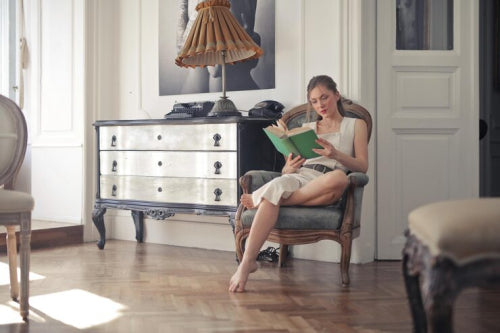
Classic furnishings inspire enduring stability, featuring balanced forms, deep timber shades, and precise handiwork. Envision detailed etchings on a teak sleeping frame or a robust oak storage unit destined for inheritance across eras. In Jaipur, where historical structures shape everyday existence, this approach connects profoundly dwellings frequently showcase elements reminiscent of Rajasthan's majestic history, integrating smoothly with vibrant fabrics and elaborate floor coverings.
In Kolkata and Chennai, prioritizing stable abodes, traditional layouts emphasize relaxation above transient vogues. Robust timber and rattan components prevail, providing resilience against moist weather and lively kin assemblies. Contrasting budget options such as layered wood or compressed boards, solid varieties maintain form indefinitely, guaranteeing ledges and surfaces stay firm. Furniture encompasses items crafted from timber, synthetics, and elastics for seating, reclining, or stowing, like platforms, perches, berths, workstations, armoires, and repositories. Hardwood tops, unlike economical alternatives, resist sagging over periods.
For cautious purchasers regarding fresh market players, classic options foster confidence via established endurance. In such locales, with extended clans prevalent, committing to gracefully maturing items isn't merely prudent it's ingrained in society. The international drive for green practices strengthens this, as organic components minimize frequent swaps, syncing with aware movements that constitute nearly 30 percent of novel releases.
Modern Furniture Styles in India's Fast-Growing Metros
Transition to contemporary furnishings, and the landscape alters starkly: sharp contours, simplified shapes, and an emphasis on utility. Imagine a sectional lounge in a Pune innovator's unit, or portable side tables in Hyderabad's innovation centers serving dual purposes as desks. This mode flourishes in confined settings, such as Mumbai's elevated flats, where space efficiency is crucial.
Bangalore's emerging specialists, spurred by digital surges, gravitate toward creations embedding clever attributes like networked items adjusting illumination or climate. However, obstacles endure: escalating resource prices, from lumber to metal, have inflated rates, as highlighted in 2024 sector analyses. Higher interest rates complicate funding major acquisitions, encouraging preferences for versatile, multifunctional layouts that optimize returns.
The worldwide arena in 2024 presents contrasts abundant prospects amid hurdles. Triumph demands endurance, flexibility, and openness to surprises. Varied issues confront the field, mirroring its product diversity. Persistent cost increases burden producers and shoppers. Economic pressures elevate charges for vital inputs like wood and iron.
Transitional Furniture: The Preferred Choice for Today's Indian Homeowners
Introducing transitional furnishings, the harmonious blend uniting traditional coziness with current restraint. It's flexible, combining arched supports with linear borders, or matching subdued cloths with lumber highlights. In Ahmedabad, where customary principles meet modern abodes, this mode excels consider a meal ensemble that appears welcoming yet efficient for communal feasts.
Bangalore and Pune's advancing kin value its versatility, assimilating effortlessly into changing areas. Chennai patrons, harmonizing legacy with city needs, deem transitional items perfect for average-sized units. This group addresses typical reservations about newer labels by stressing perpetual charm over buzz, securing fashion persistence beyond cycles.
As the field adopts green methods officials imposing rigid ecological norms transitional creations frequently include reclaimable elements, tackling recyclability concerns. Queries arise: can padded items be genuinely reused? Sustainability expenses: viable for every maker? Disparate rules: how do varying laws hinder advancement? Workforce deficits: sufficient trained personnel for green production? Logistics interruptions and local sourcing: might nearer procurement upset eco-goals? Shopper shifts and green promotion: visible industry actions to clients?
It's a clever adjustment in a sector confronting staff scarcities and delivery snags, where regional sourcing might interfere yet also bolster green initiatives.
How Furniture Styles Are Being Used in Real Indian Homes
In Bangalore, rattan perches adorn verandas, delivering airy relief amid monsoon downpours while linking to exterior vogues. Pune dwellers select timber versatile modules in tight lounges, enhancing areas for remote labor arrangements.
Jaipur residences display sturdy lumber meal groups for clan suppers, reflecting the locale's craft heritage. Ahmedabad's business minds pick transitional couches fusing local patterns with current spareness.
Hyderabad's digitally adept groups prefer featherlight rattan exterior pieces for terrace assemblies, whereas Chennai flats integrate traditional timber vaults for moisture-resistant arrangement. Kolkata's vintage mansions rely on perpetual rattan details, and Mumbai's tiny units prosper with area-conserving contemporary forms.
What Stops Buyers From Choosing the Right Furniture Style
Amid the appeal, barriers persist. Faith in emerging labels frequently falters purchasers doubt endurance among myriad choices. Mix-ups between visuals and sturdiness result in remorseful buys, particularly when fads eclipse caliber.
Economic strain intensifies, with input prices rising and borrowing costs compressing funds. In 2024, leading 100 sellers experienced joint revenues of 51.6 billion dollars, a decline of 8 percent or 4.5 billion from 2023's 56.1 billion, and 15 percent below 2022's 60.6 billion. Only a quarter achieved steady or rising figures, with three-quarters in deficit. Retailers anticipated recovery, but shoppers persistently avoided furnishings and bedding, favoring adventures and individual goods per surveys. A fiercely debated national vote late in 2024 sidelined some, alongside persistent inflation worries and a sluggish property sector limited by elevated borrowing fees. Additional impacts included departures of key entities like major discount chains and appliance-furniture hybrids.
Include ecological anxieties such as uneven policies and reuse doubts and the buying journey clouds. Staff shortages pressure output, while supply breaks advocate for closer sourcing, possibly elevating expenses more.
Why Choosing the Right Style Delivers Long-Term Value
Still, prospects shine. Perpetual layouts reduce ongoing expenses, providing trade-in worth and repurposing options. In an arena moving to greenness, elements from planet-kind resources match shopper needs, evident via astute outreach.
Budget-friendly resilience connects upscale ambitions with routine, notably in rattan, timber, and exterior groups thriving on digital forums. For Indian patrons, this signifies items enduring routine use while enriching existences fewer substitutions, superior planet marks, and elements adapting with dwellings.
The Future of Furniture Styles in India's Metro Cities
Looking forward, transitional modes appear ready to lead, combining optimal aspects in India's vibrant urban areas. Regionally made, sturdy selections will ascend, driven by knowledgeable purchasers abandoning fads for essence. Ultimately, it surpasses mere furnishings it's shaping enduring environments, akin to the metropolises. Be it Jaipur's ancient paths or Mumbai's horizons, the apt mode isn't solely a selection; it's forging a heritage.
Frequently Asked Questions
What is the difference between classic, modern, and transitional furniture styles?
Classic furniture features timeless designs with balanced forms, rich wood tones, and intricate craftsmanship like carved teak or oak pieces built to last generations. Modern furniture emphasizes clean lines, minimalist shapes, and space-efficient utility, often incorporating smart features ideal for compact urban apartments. Transitional furniture blends the best of both worlds, combining the warmth and durability of classic designs with the sleek functionality of modern aesthetics, making it the preferred choice for Indian homeowners seeking versatile, adaptable pieces.
Which furniture style is best for small apartments in Indian metro cities?
Modern and transitional furniture styles work best for space-constrained apartments in cities like Mumbai, Bangalore, and Pune. Modern furniture offers sharp contours, multifunctional designs, and space-saving solutions perfect for high-rise living, while transitional pieces provide the flexibility to adapt as your space evolves. Both styles prioritize utility without sacrificing aesthetics, helping you maximize limited square footage while maintaining comfort and contemporary appeal in India's fast-growing urban centers.
Why is sustainable furniture becoming popular in India's furniture market?
Eco-conscious furniture is gaining traction as Indian consumers increasingly prioritize environmental responsibility alongside functionality and style. With nearly 30% of new furniture introductions now featuring planet-friendly materials and recyclable components, sustainable options align with global green practices while reducing the need for frequent replacements. The furniture industry is responding to stricter environmental regulations and shopper demand for durable, responsibly-sourced materials particularly in transitional and classic styles that use solid wood and natural materials designed to age gracefully over time.
Disclaimer: The above helpful resources content contains personal opinions and experiences. The information provided is for general knowledge and does not constitute professional advice.
You may also be interested in: MMC Wood Creations: Premium Solid Wood Furniture | Chairs
Mass-market furniture lacks heart, filling rooms with bland, short-lived pieces. Frequent breakdowns spark frustration, as replacements erode style and sentiment. At MMC Wood Creations, Udaipur artisans shape heirloom furniture with enduring craftsmanship and cozy elegance, creating pieces that echo your identity, ensuring your home radiates warmth and timeless connection. Shop Now!
Powered by flareAI.co