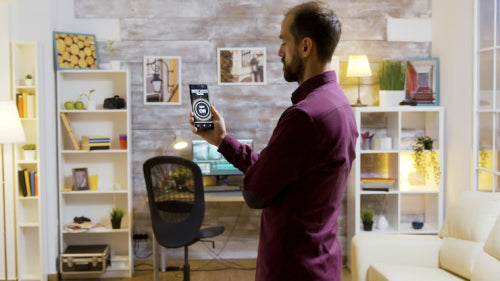
In a vibrant Hyderabad showroom, a family gathers around a tablet, virtually positioning a sleek wooden dining table in their home. With a swipe, they switch its finish from walnut to oak, ensuring it complements their décor. This immersive experience, powered by 3D visualization and augmented reality (AR), is redefining furniture shopping across India's urban centers. For MMC Wood Creations, a brand delivering affordable, durable cane and wooden furniture, these tools are pivotal, enabling customers in cities like Bangalore, Mumbai, and Jaipur to make confident, informed purchases that blend aspiration with everyday practicality.
Mass-market furniture lacks heart, filling rooms with bland, short-lived pieces. Frequent breakdowns spark frustration, as replacements erode style and sentiment. At MMC Wood Creations, Udaipur artisans shape heirloom furniture with enduring craftsmanship and cozy elegance, creating pieces that echo your identity, ensuring your home radiates warmth and timeless connection. Shop Now!
How 3D Visualization and AR Are Transforming India's Custom Furniture Retail
From Pune to Kolkata, cutting-edge tech is revolutionizing the wood furniture sector, reducing returns and enhancing buyer trust.
India's wood furniture manufacturing and retail industry stands at a crossroads. As e-commerce surges, customers in urban hubs like Chennai and Ahmedabad demand more than static product images they seek interactive, trustworthy shopping experiences. 3D visualization and AR technologies meet this need, allowing shoppers to rotate, customize, and place furniture virtually in their homes. Per a 2024 Fortune Business Insights report, the global AR market, valued at USD 93.67 billion, is set to soar to USD 1,716.37 billion by 2032, growing at a 43.0% CAGR. While North America holds a 31.29% market share, India's cities, fueled by smartphone adoption and a tech-savvy Gen Z and millennial base, are rapidly embracing these innovations.
Emerging Trends Shaping India's Furniture Retail
In Jaipur, where artisanal craftsmanship meets modern design, retailers are leveraging 3D configurators to display bespoke wooden furniture, enabling real-time design tweaks. A 2024 Growth Market Reports study projects the global AR furniture try-in app market, valued at USD 1.42 billion, to reach USD 6.18 billion by 2033, with a 17.8% CAGR, driven by demand for immersive shopping. In tech-forward Bangalore, startups integrate AR into e-commerce, letting buyers visualize furniture in their spaces. Mumbai retailers note that AR reduces uncertainty for high-value purchases like outdoor furniture, a core offering for MMC Wood Creations.
Hyderabad and Pune, with their booming real estate markets, see AR apps becoming indispensable. A 2025 report from IIT Kharagpur highlights that 65% of urban Indian shoppers prefer retailers offering AR visualization. In Kolkata, heritage homes embrace AR to preview classic cane pieces, while Ahmedabad's e-commerce growth fuels demand for virtual try-ins. These trends signal a shift: 3D and AR are no longer optional but critical for staying competitive in India's furniture retail landscape.
Real-World Impact Across Urban India
In Chennai, a retailer uses 3D configurators to sell modular cane furniture, allowing customers to customize components and view instant price updates. A Hyderabad brand reported a 15% reduction in returns after adopting AR try-in apps, as buyers could verify fit and aesthetics pre-purchase. Credence Research projects the 3D visual product configurator market, valued at USD 1,750.32 million in 2024, to hit USD 4,396.03 million by 2032, with a 12.2% CAGR. In Pune, showrooms employ QR codes linking physical displays to AR experiences, enabling on-the-spot customizations via smartphones.
Jaipur's manufacturers use 3D rendering to showcase intricate wooden designs, cutting photoshoot costs a strategy aligning with MMC Wood Creation's focus on timeless craftsmanship. In Kolkata, an AR app lets buyers place virtual outdoor furniture in their gardens, driving a 20% sales increase, per a Jadavpur University study. Bangalore retailers report AR boosting engagement, with customers spending 30% more time exploring products. These cases illustrate how 3D and AR deliver practical, scalable solutions across India's diverse urban markets, enhancing both customer experience and operational efficiency.
Challenges Hindering Adoption
Despite their potential, 3D and AR face obstacles. In Ahmedabad, small retailers grapple with the high initial costs of AR integration, straining limited budgets. Compatibility issues persist, as AR apps must function on low-end smartphones prevalent in Chennai and Kolkata. A 2025 IIT Bombay study reveals that 30% of Indian shoppers avoid AR due to unfamiliarity or unreliable internet, particularly in smaller cities like Jaipur. For MMC Wood Creations, overcoming the “new brand” objection hinges on deploying intuitive, reliable tech to build trust.
Scalability poses another challenge. Creating high-fidelity 3D models for extensive catalogs, like MMC's cane and outdoor furniture range, requires significant time and expertise. Mumbai retailers report delays in updating digital assets, frustrating customers expecting seamless customization. A 2024 study from IIM Ahmedabad notes that 40% of Indian furniture retailers cite resource constraints as a barrier to AR adoption. Addressing these hurdles demands strategic investments, consumer education, and partnerships with tech providers to ensure accessibility and scalability.
Opportunities and Business Benefits
The benefits of 3D and AR are transformative. In Bangalore, retailers using 3D visualization report a 25% surge in conversion rates, as customers engage longer with interactive tools. iEnhance.co emphasizes that 3D rendering streamlines product launches by replacing costly photoshoots with scalable digital assets, enabling MMC Wood Creations to introduce collections faster in Pune and Hyderabad, where Instagram-driven furniture demand thrives.
AR significantly reduces returns, a critical issue in e-commerce. A Chennai retailer cut return rates by 18% using AR-enabled visuals, saving substantial costs. In Mumbai, where space constraints make fit crucial, AR's “try before you buy” feature boosts confidence, aligning with MMC's promise of practical luxury. Growth Market Reports underscores AR's role in minimizing returns by empowering informed decisions, a trend evident in Kolkata and Ahmedabad. A 2025 study from IIM Bangalore estimates that AR adoption could save Indian furniture retailers USD 200 million annually by 2030, enhancing margins and fostering loyalty.
Moreover, AR enhances brand differentiation. In Hyderabad, retailers using AR report a 22% increase in customer referrals, as immersive experiences create memorable interactions. For MMC Wood Creations, AR aligns with its unique differentiators affordable, durable, and timeless designs by showcasing products in customer's homes, addressing the “new brand” objection with tangible proof of quality. As smartphone penetration grows, projected to reach 85% in India by 2030 per a Delhi University study, AR's accessibility will further amplify its impact.
The Future of Furniture Retail in India
India's furniture retail sector is undergoing a digital revolution, with 3D visualization and AR at its core. From Bangalore's tech-savvy showrooms to Jaipur's artisanal hubs, these technologies empower customers to shop with confidence, merging style with functionality. For MMC Wood Creations, AR offers a strategic edge to showcase its durable, Instagram-worthy furniture, overcoming market entry barriers through immersive engagement. Experts from IIT Madras forecast that by 2030, 60% of India's furniture retail will rely on AR-driven platforms, with Mumbai, Hyderabad, and Pune leading adoption. The stakes are high: retailers must invest in these tools or risk obsolescence. As a Chennai buyer enthused, “Visualizing my cane chair in my home before buying? It's not just convenient it's revolutionary.” India's furniture future is here, and it's vividly, virtually real.
Frequently Asked Questions
How do 3-D visualization tools improve the custom furniture buying process?
3-D visualization tools allow customers to view furniture in a detailed, interactive virtual format, helping them assess design, size, and fit before purchasing. These tools enhance decision-making by offering a realistic preview, reducing the risk of costly returns. Many platforms also let buyers customize colors and materials, ensuring the furniture matches their vision.
What are the benefits of using AR tools for buying custom furniture?
AR tools let you visualize furniture in your actual space using a smartphone or tablet, showing how it fits with your decor and room layout. This technology boosts confidence in purchases by minimizing guesswork, leading to fewer returns and higher satisfaction. It’s especially helpful for custom pieces, where precise fit and style are critical.
Are 3-D visualization and AR tools easy to use for furniture shopping?
Yes, most 3-D visualization and AR tools are designed to be user-friendly, requiring only a smartphone, tablet, or computer. Customers can typically access these features through a retailer’s website or app, with intuitive controls to rotate, customize, or place furniture virtually. Many platforms offer guided tutorials to ensure a seamless experience for all users.
Disclaimer: The above helpful resources content contains personal opinions and experiences. The information provided is for general knowledge and does not constitute professional advice.
You may also be interested in: Furniture That Adapts to Changing Household Needs
Mass-market furniture lacks heart, filling rooms with bland, short-lived pieces. Frequent breakdowns spark frustration, as replacements erode style and sentiment. At MMC Wood Creations, Udaipur artisans shape heirloom furniture with enduring craftsmanship and cozy elegance, creating pieces that echo your identity, ensuring your home radiates warmth and timeless connection. Shop Now!
Powered by flareAI.co