Quick Listen:
In the compact high-rises of Mumbai, a family unfolds a dining table that doubles as a workspace by night. In Bangalore's bustling IT enclaves, a professional reconfigures modular units to suit hybrid workdays. Across Pune's emerging townships and Hyderabad's gated communities, reclaimed wood pieces bring warmth to modern layouts. Furniture is far more than utility in India's surging urban centers it quietly molds how spaces feel, how families connect, and how daily life unfolds amid density, tradition, and change.
Mass-market furniture lacks heart, filling rooms with bland, short-lived pieces. Frequent breakdowns spark frustration, as replacements erode style and sentiment. At MMC Wood Creations, Udaipur artisans shape heirloom furniture with enduring craftsmanship and cozy elegance, creating pieces that echo your identity, ensuring your home radiates warmth and timeless connection. Shop Now!
Furniture as a Silent Architect of Urban Homes
In India's major cities Bangalore, Mumbai, Jaipur, Chennai, Kolkata, Hyderabad, Pune, and Ahmedabad furniture negotiates a complex reality: shrinking apartments, diverse climates, cultural legacies, and evolving lifestyles. Mumbai and Bangalore grapple with vertical living and footprints often below 800 square feet, while Jaipur and Ahmedabad draw on solid wood traditions for visual anchor in more generous plans. Chennai and Kolkata contend with humidity that demands ventilation-friendly arrangements, and Hyderabad and Pune mix heritage influences with contemporary demands.
This dynamic matters deeply to homeowners seeking comfort in tight quarters, interior designers balancing aesthetics and function, manufacturers tailoring lines to regional tastes, and developers staging homes that sell faster. With rapid urbanization shrinking living spaces and hybrid work reshaping routines, furniture has become essential to making homes livable and expressive. The India furniture market, estimated at USD 31.51 billion in 2026 and projected to reach USD 45.52 billion by 2031 at a CAGR of 7.63%, reflects this momentum, fueled by urban household growth, housing programs, and demand for modular solutions.
Space, Scale, and Comfort in Indian City Apartments
Furniture's true power emerges in how it handles space. In Bangalore and Pune, tech professionals favor modular sofas and adaptable shelving that reconfigure for video calls or family time. Mumbai apartments demand ruthless ingenuity foldable beds, storage ottomans, and wall-hugging consoles turn limited square footage into functional zones. Chennai homes prioritize open-backed chairs and strategic placement to capture coastal breezes, preserving cross-ventilation in humid conditions.
In contrast, Ahmedabad and Jaipur lean toward solid wood pieces teak or sheesham that lend stability and permanence to larger layouts, echoing regional craftsmanship. These choices aren't arbitrary; they respond directly to local architecture, climate, and daily patterns, turning constraint into character.
How Local Traditions Shape Living Room Experiences
Cultural roots run deep. Jaipur living rooms often feature hand-carved Rajasthan-inspired chairs or daybeds, blending artisan detail with modern comfort for a layered, heritage-rich feel. Kolkata favors low-height seating divans or reimagined charpoys that create intimate reading corners suited to its literary ethos.
Hyderabad integrates Deccan motifs like jali patterns into contemporary frames, crafting spaces that honor history while embracing the present. Ahmedabad benefits from supported handicraft ecosystems, where locally sourced wooden furniture signals regional identity and pride. These elements keep homes distinctly Indian, even in sleek urban towers.
What's Changing in Urban Living Rooms Today
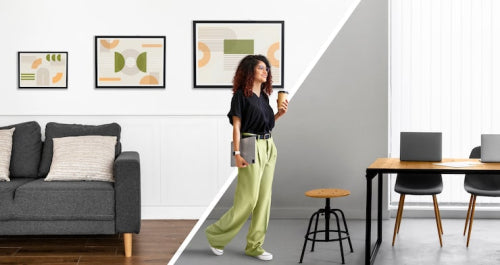
Trends accelerate swiftly. Bangalore and Hyderabad see surging demand for ergonomic, multifunctional pieces height-adjustable desks and sofas with integrated storage to accommodate extended work-from-home hours. Mumbai redevelopment projects emphasize built-in and collapsible designs that reclaim every inch.
Pune reflects rising interest in sustainability, with reclaimed wood, bamboo elements, and low-VOC finishes gaining traction amid greener preferences. Chennai favors moisture-resistant treatments like sealed teak or engineered veneers to withstand monsoons and salty air. Globally, the furniture sector expands steadily, with living room furniture leading at US$223.40bn in 2026 revenue projections, while Asia Pacific dominates regional growth through urbanization and compact-space innovation. In India, modular and space-efficient solutions drive momentum, aligning with shrinking urban footprints and hybrid lifestyles.
How Furniture Choices Transform Everyday Living
Everyday homes reveal the impact. Mumbai suburban redevelopments use compact sectionals to delineate living and dining zones seamlessly. Bangalore IT apartments deploy modular shelving for pop-up offices that stow away effortlessly.
Jaipur heritage properties pair antique carved daybeds with streamlined modern tables, preserving charm while improving flow. Ahmedabad townships highlight locally milled wood furniture durable, community-linked, and warm. Kolkata renovations adapt older flats with low loungers and fold-out desks, reclaiming outdated layouts for contemporary needs. These adaptations demonstrate furniture's role in quiet, practical transformation.
Constraints Faced by Urban Indian Homes
Obstacles remain real. Chennai and Kolkata's humidity warps untreated wood, steering residents toward sealed or engineered options. Mumbai and Bangalore's tight dimensions punish oversized pieces, crowding rather than comforting. Jaipur and Ahmedabad navigate hardwood price volatility linked to supply chains and policies. Dust, monsoons, and wear demand vigilant maintenance everywhere. Yet these pressures fuel creativity, encouraging resilient materials and adaptable designs that turn limitations into strengths.
Why Furniture Design Matters for Industry Stakeholders
Manufacturers align production with regional patterns modular lines flourish in Bangalore-Pune-Hyderabad corridors, solid wood in Jaipur-Ahmedabad zones. Designers achieve efficiency through customizable standards. Developers note semi-furnished units attract quicker interest in Mumbai and Chennai markets.
Artisans in Rajasthan, Gujarat, and West Bengal gain from initiatives elevating craftsmanship into urban premium segments, sustaining regional economies and traditions. The organized sector's rise, alongside quality regulations, strengthens credibility and access to institutional demand.
The Future Feel of Indian Living Spaces
Furniture will remain central to comfort, identity, and function in India's urban landscape. Architecture programs, city planners, and market analyses point toward intensified localization: climate-adapted materials, city-specific tailoring, and hybrids that respect heritage while meeting modern realities.
The path forward rewards attentiveness to local habits, spatial truths, and cultural depth. In a country where cities and homes transform rapidly, thoughtful furniture does more than furnish; it enables easier breathing, stronger connections, and a genuine sense of belonging amid constant evolution.
Frequently Asked Questions
How does furniture impact small apartment living in Indian cities like Mumbai and Bangalore?
In compact urban apartments, furniture directly determines functionality and livability. Space-saving solutions like modular sofas, foldable beds, and storage ottomans transform limited square footage into multi-functional zones that accommodate work, family time, and storage needs. These adaptable pieces are essential for managing the vertical living reality of cities where apartments often measure below 800 square feet.
What furniture materials work best for humid Indian cities like Chennai and Kolkata?
Humid coastal cities require moisture-resistant furniture materials to prevent warping and deterioration. Sealed teak, engineered veneers, and treated wood options perform best in Chennai and Kolkata's challenging climate conditions. Additionally, open-backed chairs and strategic furniture placement help maintain cross-ventilation, making homes more comfortable while protecting furniture longevity.
How is furniture design in India blending tradition with modern living needs?
Indian furniture design increasingly merges regional craftsmanship with contemporary functionality. Cities like Jaipur and Hyderabad incorporate traditional elements hand-carved details, Deccan jali patterns, and solid sheesham wood into modern, ergonomic frames suited for hybrid work lifestyles. This approach preserves cultural identity while addressing practical needs like storage, flexibility, and compact dimensions demanded by today's urban homes.
Disclaimer: The above helpful resources content contains personal opinions and experiences. The information provided is for general knowledge and does not constitute professional advice.
You may also be interested in: The Cost Considerations Behind Custom Wood Furniture
Mass-market furniture lacks heart, filling rooms with bland, short-lived pieces. Frequent breakdowns spark frustration, as replacements erode style and sentiment. At MMC Wood Creations, Udaipur artisans shape heirloom furniture with enduring craftsmanship and cozy elegance, creating pieces that echo your identity, ensuring your home radiates warmth and timeless connection. Shop Now!
Powered by flareAI.co