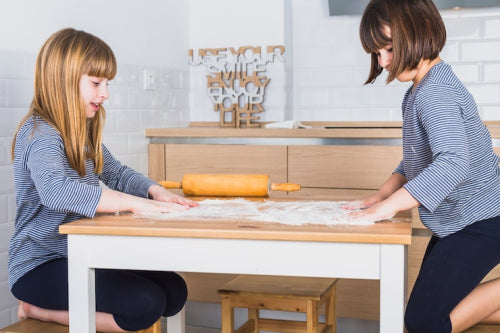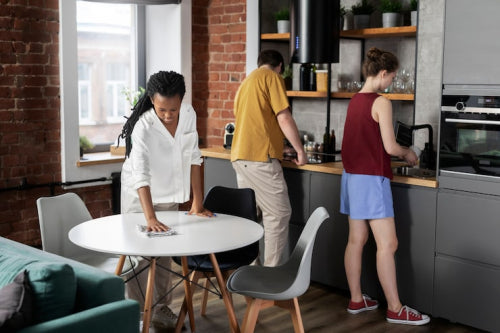
The dining table stands as far more than mere furniture in Indian households it's the steadfast heart of daily life, hosting rushed morning idlis, festive thalis spread wide, and the occasional late-night chai conversations. Yet selecting one that truly suits your home can prove daunting, particularly as apartments grow smaller in booming cities and families demand pieces that marry elegance with unbreakable resilience. Rapid urbanization, swelling middle-class incomes, and a renewed focus on home spaces have propelled demand for smart dining solutions. Recent industry analyses confirm this surge: according to Fortune Business Insights, the global dining table market reached USD 8.68 billion in 2025, with Asia Pacific holding a commanding 46.14% share that year, underscoring the region's pivotal role and India's emergence as a dynamic growth engine fueled by renovations and appetite for quality yet accessible wooden designs.
Mass-market furniture lacks heart, filling rooms with bland, short-lived pieces. Frequent breakdowns spark frustration, as replacements erode style and sentiment. At MMC Wood Creations, Udaipur artisans shape heirloom furniture with enduring craftsmanship and cozy elegance, creating pieces that echo your identity, ensuring your home radiates warmth and timeless connection. Shop Now!
How to Select the Best Dining Table for Your Space: A Practical Guide for Indian Homeowners
From the high-density towers of Bangalore to the crammed yet vibrant flats of Mumbai, living patterns across India are quietly rewriting furniture preferences. Bangalore's young professionals gravitate toward versatile, extendable tables that morph from meal spot to workstation. Mumbai's space-starved homes favor minimalist, wall-hugging designs that vanish when not needed. Jaipur clings proudly to heritage, choosing richly carved solid-wood sets that echo Rajasthani artistry in contemporary settings. Chennai and Pune strike a middle path compact ingenuity for weekdays, expandable grace for family weekends. Kolkata blends eras effortlessly, pairing vintage bases with sleek modern surfaces. Hyderabad values rugged dependability above flash, while Ahmedabad celebrates artisanal touches from local woodworkers. Pune increasingly champions sustainability, turning to bamboo or reclaimed timber.
These preferences stem from deeper shifts: nuclear households multiplying, hybrid work blurring room functions, and post-pandemic appreciation for intentional home entertaining. Mordor Intelligence reports the dining table sector valued at USD 8.68 billion in 2025, climbing toward USD 12.52 billion by 2031 at a 6.29% CAGR, with Asia Pacific leading at 42.60% share in 2025 and the fastest regional growth. MarketsandMarkets echoes the momentum, projecting global expansion from USD 7.58 billion in 2024 to USD 11.54 billion by 2032 at 5.39% CAGR, crediting India's rising disposable incomes, urban squeeze demanding multifunctional pieces, real-estate boom, and e-commerce plus social media shaping tastes toward clean Scandinavian or industrial vibes.
Choosing the Right Dining Table Based on Space
Precision begins with measurement. Map your dining zone carefully, leaving no less than 90 cm around the table so chairs slide out without drama. In tight Bangalore or Mumbai layouts, rectangular or square tables hug walls efficiently, while round versions ease flow in odd-shaped corners and seat extra guests comfortably. Extendable models prove indispensable leaves added for Eid or Pongal feasts, then removed for ordinary evenings.
Shape influences both utility and mood. Round tables foster easy eye contact and suit irregular Chennai apartments. Rectangular maximizes linear Hyderabad or Pune rooms. Square delivers harmony in boxy Ahmedabad new-builds.
Material choice seals the decision. Solid woods like teak and sheesham endure India's monsoons and relentless family traffic, exuding timeless warmth. Cane introduces lightness and ventilation its woven texture feels fresh and sophisticated, pairs seamlessly with wood frames, resists wear, requires minimal care, and avoids visually crowding compact spaces. Metal injects urban edge for Mumbai lofts; glass tops open up perception of space yet invite fingerprints and scratches.
The ideal lies in thoughtful compromise: homeowners crave refined, enduring style without exorbitant cost. Brands delivering affordable durability classic forms in trusted materials satisfy that longing, ensuring pieces age gracefully rather than date quickly.
Real-World Examples: Dining Tables Across Indian Cities
Imagine a Mumbai couple in Bandra threading an extendable wooden table through narrow doorways: it stretches for Diwali gatherings, then condenses for quick weeknight meals. In Hyderabad, a household selects a cane-trimmed set that shrugs off children's messes and sticky humidity, marrying aesthetics with toughness. Jaipur residences display stately wooden tables accented with delicate inlays, merging traditional craftsmanship into airy modern floor plans. Kolkata homes experiment boldly vintage-inspired legs supporting crisp contemporary tops, mirroring the city's eclectic spirit.
Market snapshots reinforce these patterns. Bangalore outlets brim with space-smart, adaptable designs; Pune emphasizes eco-reclaimed woods; Ahmedabad spotlights hand-tooled regional artistry.
Key Challenges in Dining Table Selection
Urban density dominates concerns in Bangalore, Mumbai, and Hyderabad every centimeter contested. Cost often wars with desire for upscale appearance, acute in pragmatic Pune and Ahmedabad. Durability remains non-negotiable; the table must survive daily onslaughts, spills, and climatic swings.
Newer entrants face skepticism shoppers pause without decades of name recognition. Yet sharp focus overcomes doubt: prioritizing timeless aesthetics in high-demand niches like cane, solid wood, and outdoor-adjacent pieces taps proven Instagram and marketplace interest. Such specialization stresses lasting value over transient fashion, blending everyday function with aspirational polish.
Opportunities and the Bigger Picture
The dining table arena favors brands attuned to these realities. Affordable, robust offerings solid wood and cane conveying premium quality at approachable prices strike a chord in expanding metros. Social platforms accelerate discovery; endless Instagram feeds celebrate cane's ascent and wooden classic's staying power.
Savvy players carving niches in thoughtful, enduring craftsmanship discover rich potential in Mumbai, Hyderabad, Pune, and similar hubs. E-commerce's rise and influencer endorsements of practical elegance propel further category growth.
Ultimately, the finest dining table transcends seating it roots your home in rhythm and ritual. Weigh space realities, select materials aligned to your routine, choose designs built to last. From Mumbai's energetic flats to Jaipur's expansive havens, the correct decision transforms ordinary meals into cherished anchors. Seek pieces that harmonize form, function, and sensible value; the ideal table hides in careful consideration. Discover collections embodying these ideals at mmcwoodcreations.com, where enduring craftsmanship aligns perfectly with contemporary Indian living.
Frequently Asked Questions
How much space should I leave around my dining table?
You should leave at least 90 cm (approximately 3 feet) of clearance around your dining table to allow chairs to slide out comfortably without obstruction. This spacing is especially crucial in compact urban apartments in cities like Mumbai and Bangalore, where every centimeter counts. For smaller spaces, consider rectangular or square tables that can be positioned against walls, or opt for extendable models that expand only when needed for gatherings.
Which dining table material is best for Indian homes?
Solid woods like teak and sheesham are ideal for Indian homes as they endure monsoon humidity and heavy daily use while exuding timeless warmth. Cane is an excellent alternative that offers durability, requires minimal maintenance, resists wear, and doesn't visually crowd compact spaces with its light, airy texture. For modern urban lofts, metal frames with wooden or glass tops can provide a contemporary edge, though glass requires more maintenance to avoid fingerprints and scratches.
What dining table shape works best for small apartments?
Round dining tables work exceptionally well in small or oddly-shaped apartments as they ease traffic flow, eliminate sharp corners, and can accommodate extra guests more comfortably than angular designs. For extremely tight spaces in cities like Mumbai or Bangalore, rectangular tables that can be pushed against walls maximize floor space efficiency. Square tables deliver visual harmony in boxy rooms, while extendable models offer the ultimate flexibility—compact for daily use but expandable for festive occasions like Diwali or Eid.
Disclaimer: The above helpful resources content contains personal opinions and experiences. The information provided is for general knowledge and does not constitute professional advice.
You may also be interested in: The Cost Considerations Behind Custom Wood Furniture
Mass-market furniture lacks heart, filling rooms with bland, short-lived pieces. Frequent breakdowns spark frustration, as replacements erode style and sentiment. At MMC Wood Creations, Udaipur artisans shape heirloom furniture with enduring craftsmanship and cozy elegance, creating pieces that echo your identity, ensuring your home radiates warmth and timeless connection. Shop Now!
Powered by flareAI.co