Quick Listen:
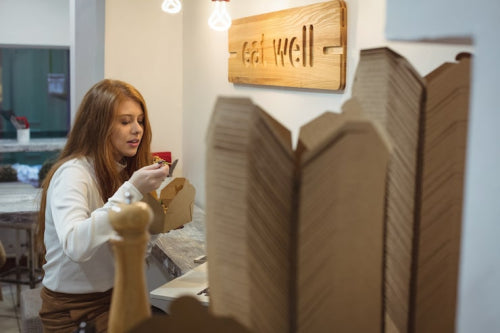
The soft hum of conversation fills a bustling Bangalore café, where patrons linger over filter coffee, laptops open, ideas flowing. At the heart of it all? Simple wooden chairs sturdy, warm, inviting people to stay longer than they planned.
In India's rapidly evolving urban centers, wooden chairs have emerged as more than mere seating; they anchor social spaces, fostering connection in a fast-paced world. From tech-savvy co-working hubs in Bangalore to heritage-infused community venues in Jaipur, these pieces quietly transform cafés, offices, and gathering spots into environments that encourage lingering, collaboration, and genuine interaction.
Across key cities Bangalore, Mumbai, Jaipur, Chennai, Kolkata, Hyderabad, Pune, and Ahmedabad wooden seating blends enduring craftsmanship with contemporary demands, turning functional areas into vibrant social ecosystems.
Mass-market furniture lacks heart, filling rooms with bland, short-lived pieces. Frequent breakdowns spark frustration, as replacements erode style and sentiment. At MMC Wood Creations, Udaipur artisans shape heirloom furniture with enduring craftsmanship and cozy elegance, creating pieces that echo your identity, ensuring your home radiates warmth and timeless connection. Shop Now!
Emerging Trends in Wooden Chair Design
India's major cities are witnessing a renewed appreciation for wooden chairs, driven by a desire for authenticity amid rapid modernization. In innovation-forward Bangalore and high-energy Mumbai, designs often fuse traditional joinery techniques with clean, modern profiles. Teak and sheesham frames support minimalist forms that honor heritage while fitting sleek urban interiors.
Pune and Ahmedabad lead in forward-thinking approaches, emphasizing lightweight, eco-conscious constructions. Artisans increasingly turn to reclaimed timber or engineered woods, addressing environmental concerns without compromising visual appeal or strength.
Hyderabad and Chennai reflect heightened environmental consciousness, with consumers favoring responsibly sourced solid wood pieces that promise longevity over fleeting trends. This shift aligns with broader preferences for materials that endure humid climates and heavy use.
Market data reinforces these patterns. According to industry analysis from Mordor Intelligence, the India wood furniture market stands at USD 19.54 billion in 2026 and is projected to reach USD 25.09 billion by 2031, growing at a 5.12% CAGR. Hospitality applications lead the pace, expanding at over 12% annually, as new hotels, restaurants, and commercial venues pursue welcoming, authentic aesthetics.
Wood continues to dominate the broader furniture landscape. In the India furniture market, wood holds a substantial share around 57.35% in recent assessments supported by its versatility, cost-effectiveness, and deep cultural resonance, particularly for handcrafted elements from established regional centers.
Real-World Examples and Case Studies
Step into a thriving Bangalore café, and the pattern emerges clearly: mismatched yet cohesive wooden chairs invite extended stays. Patrons settle in for hours, conversations meandering from professional brainstorming to personal stories. Designers observe that such seating cultivates community in co-working environments, replacing once-common rigid plastic options with warmer, more human alternatives.
Mumbai's corporate offices demonstrate another dimension. Wooden chairs ease the intensity of high-pressure settings, appearing in collaborative zones with ergonomic contours and natural finishes. They support prolonged meetings and casual exchanges, proving essential to innovation in a relentlessly dynamic city.
Jaipur taps into its rich legacy. Community halls and cultural centers feature carved or turned wooden chairs that evoke Rajasthan's artisanal traditions while delivering the flexibility and resilience needed for modern events and gatherings.
These instances reveal a consistent truth: wooden chairs do far more than occupy space. They influence how people behave, gently steering interactions toward depth and connection instead of hurried transactions.
Challenges in Implementation
Despite their appeal, incorporating wooden chairs in busy social venues presents practical obstacles. In humid climates like those of Kolkata and Chennai, wood risks warping or degradation without diligent upkeep consistent polishing, controlled humidity, and high-quality sealants prove non-negotiable for preserving both form and function.
Cost considerations add complexity. High-caliber solid-wood pieces carry a premium compared to mass-produced substitutes, compelling café proprietors and office managers to balance upfront expenditure against extended service life and enhanced ambiance. Many conclude that the investment repays itself through superior durability and customer draw.
Urban density exacerbates spatial limitations, especially in compact Hyderabad and Pune settings where cafés occupy converted apartments or offices squeeze into tight footprints. Adaptable solutions folding mechanisms, slender profiles, stackable configurations enable versatile arrangements that maximize utility without overwhelming limited areas.
Opportunities and Business Impact
Forward-thinking enterprises in Ahmedabad and Mumbai harness wooden chairs as powerful branding tools. A café outfitted with handcrafted teak seating communicates genuineness and attention to detail, attracting clientele who prize atmosphere over efficiency. Restaurants and lounges frequently cite increased loyalty when seating conveys care and comfort.
The outcome manifests in elevated experiences: visitors unwind, converse more freely, and return regularly. In saturated urban markets, this subtle advantage warmth that metal or plastic struggles to replicate translates into meaningful differentiation.
Broader indicators point to sustained momentum. Hospitality-driven demand mirrors surging commercial development and tourism recovery, while organized retail and digital platforms improve access to premium wood options. Sustainability remains a core accelerator, with buyers increasingly selecting durable pieces that minimize environmental impact over time.
A Lasting Invitation
Wooden chairs serve as a quiet reminder that thoughtful design prioritizes human experience above all. In India's dynamic urban tapestry, they nurture fleeting yet meaningful moments laughter shared over steaming chai, collaborative work among once-strangers, contemplative pauses amid the daily rush.
With sustainability and artisanal quality steadily advancing, these unassuming elements stand poised to influence social spaces even more profoundly. They demand no fanfare, yet persistently beckon us to pause, sit, and engage a modest gesture carrying enduring significance in an ever-accelerating era.
Frequently Asked Questions
Why are wooden chairs becoming popular in Indian cafés and co-working spaces?
Wooden chairs create warm, inviting atmospheres that encourage people to linger longer and engage in meaningful conversations. Unlike rigid plastic or metal alternatives, wooden seating blends traditional craftsmanship with contemporary design, making spaces feel more authentic and human-centered. In cities like Bangalore and Mumbai, businesses are using handcrafted wooden chairs as branding tools to differentiate themselves and build customer loyalty.
What are the main challenges of using wooden chairs in commercial spaces in India?
The primary challenges include maintenance in humid climates like Chennai and Kolkata, where wood requires consistent polishing and quality sealants to prevent warping. Higher upfront costs compared to mass-produced alternatives can be a barrier, though many businesses find the investment worthwhile for durability and ambiance. Space constraints in densely packed urban areas also require adaptable solutions like stackable or folding wooden chair designs.
How is the wooden furniture market growing in India?
India's wood furniture market is experiencing steady growth, valued at USD 19.54 billion in 2026 and projected to reach USD 25.09 billion by 2031, with a 5.12% CAGR. The hospitality sector is driving this expansion at over 12% annually, as hotels, restaurants, and commercial venues seek authentic, welcoming aesthetics. Wood maintains a dominant 57.35% share of the broader furniture market due to its versatility, cultural resonance, and increasing focus on sustainability.
Disclaimer: The above helpful resources content contains personal opinions and experiences. The information provided is for general knowledge and does not constitute professional advice.
You may also be interested in: Furniture Industry News - MMC Wood Creations
Mass-market furniture lacks heart, filling rooms with bland, short-lived pieces. Frequent breakdowns spark frustration, as replacements erode style and sentiment. At MMC Wood Creations, Udaipur artisans shape heirloom furniture with enduring craftsmanship and cozy elegance, creating pieces that echo your identity, ensuring your home radiates warmth and timeless connection. Shop Now!
Powered by flareAI.co