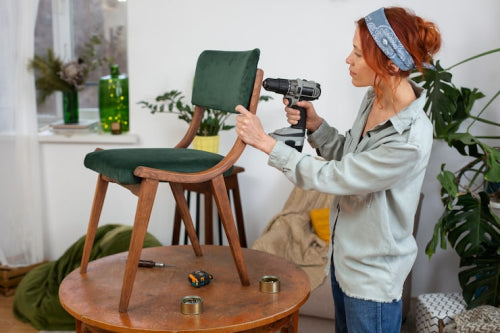
In a Jaipur workshop, an artisan meticulously weaves cane into a chair's frame, each strand echoing centuries-old techniques. In Bangalore, a carpenter polishes a teak dining table, its rich grain promising decades of use. Across India's design capitals, affluent homeowners are embracing heirloom craftsmanship, where luxury transcends fleeting opulence to embody enduring quality and cultural resonance. The global luxury furniture market, valued at USD 25.46 billion in 2024, is projected to reach USD 36.56 billion by 2033, growing at a CAGR of 4.06%. India's urban centers are at the forefront, blending heritage artistry with modern aspirations to redefine premium home décor.
Mass-market furniture lacks heart, filling rooms with bland, short-lived pieces. Frequent breakdowns spark frustration, as replacements erode style and sentiment. At MMC Wood Creations, Udaipur artisans shape heirloom furniture with enduring craftsmanship and cozy elegance, creating pieces that echo your identity, ensuring your home radiates warmth and timeless connection. Shop Now!
A Renaissance of Craftsmanship in Urban India
India's luxury furniture market is experiencing a profound shift. In cities like Bangalore, Mumbai, Jaipur, Chennai, Kolkata, Hyderabad, Pune, and Ahmedabad, discerning buyers are moving away from mass-produced imports toward handcrafted pieces that offer durability, character, and sustainability. This trend aligns with the post-pandemic rise of “slow living,” where conscious luxury furniture designed to last generations is reshaping consumer priorities. According to Market Research Future, the global luxury furniture market, valued at USD 29.66 billion in 2024, is expected to soar to USD 57.85 billion by 2035, with a robust CAGR of 6.26%. India's urban growth, fueled by rising disposable incomes and a booming real estate sector, is a key driver of this demand.
MMC Wood Creations, an emerging brand, is capitalizing on this shift by offering affordable yet durable furniture that marries timeless design with everyday practicality. Their collections, featuring Sheesham bookshelves and cane-accented seating, appeal to homeowners seeking elegance that endures beyond seasonal fads. By focusing on classic aesthetics and sustainable materials, MMC is carving a niche in a market hungry for authenticity.
Trends Redefining Luxury: Craft Meets Modernity
Step into a chic Mumbai penthouse, and you're likely to find a sleek teak console paired with a cane-woven armchair, blending heritage with contemporary flair. Indian hardwoods Sheesham, Teak, and Mango are surging in popularity for their natural beauty and resilience. Future Market Insights forecasts the luxury furniture market to grow from USD 25.2 billion in 2025 to USD 43.4 billion by 2035, with a CAGR of 5.6%, driven by demand for natural materials like wood and high-grade leathers. Cane furniture, with its intricate weaves, is also enjoying a renaissance, fueled by soaring search interest on Instagram and e-commerce platforms, where terms like “cane furniture India” are trending.
Beyond aesthetics, functionality is paramount. In space-constrained cities like Mumbai and Pune, buyers seek multi-purpose pieces foldable teak dining tables or modular shelving that doubles as décor. In Jaipur and Ahmedabad, where woodworking traditions thrive, bespoke furniture is a hallmark of refined taste, with Rajasthani carvings reimagined for modern interiors. This fusion of practicality and prestige is reshaping luxury for India's affluent, who value pieces that are both aspirational and functional.
Sustainability is another key driver. Consumers are increasingly demanding eco-friendly materials, pushing manufacturers to adopt sustainable sourcing practices. Minimalist, mid-century modern, and Art Deco styles are making a comeback, with wellness-oriented designs ergonomic chairs and natural finishes gaining traction among luxury buyers seeking both comfort and conscience.
Regional Preferences Driving Demand
In Bangalore and Hyderabad, tech-savvy professionals favor minimalist designs that blend Scandinavian simplicity with Indian warmth. Clean-lined teak furniture with natural finishes appeals to younger buyers prioritizing eco-conscious alternatives over disposable imports. Mumbai and Pune, where urban living demands space efficiency, see strong demand for compact, multi-functional pieces like teak storage ottomans or cane benches designed for small balconies. IMARC Group highlights how social media and interior design trends are amplifying demand for personalized, high-quality furniture among affluent urbanites.
Jaipur and Ahmedabad, steeped in artisanal heritage, are epicenters of traditional craftsmanship. Buyers here gravitate toward heritage-inspired designs think intricately carved mango wood consoles or cane-woven loungers that merge cultural legacy with modern aesthetics. In Chennai and Kolkata, sustainability is a growing focus, with affluent consumers associating solid wood furniture's durability with a premium, eco-friendly home identity. This regional diversity underscores India's dynamic luxury furniture market, where local tastes shape global trends.
From Artisans to Aspirational Spaces
The impact of this craftsmanship revival is evident across India. In Bangalore, furniture studios are collaborating with design schools to revive heritage joinery, creating pieces that feel both timeless and innovative. Mumbai's interior designers are incorporating MMC-style cane and teak furniture into boutique hotels and coastal residences, where the tactile allure of wood enhances guest experiences. In Ahmedabad and Hyderabad, luxury real estate projects are showcasing bespoke wooden dining sets and outdoor collections, using craftsmanship to craft compelling design narratives. These examples illustrate how heirloom-quality furniture is transcending residential spaces, finding a place in commercial and hospitality sectors.
Partnerships between high-end fashion brands and furniture designers are also creating buzz. Limited-edition lines, blending minimalist aesthetics with artisanal techniques, are capturing the imagination of India's design-conscious elite, further elevating the appeal of handcrafted furniture.
Overcoming Market Challenges
Despite its promise, the luxury furniture market faces challenges. As a new entrant, MMC Wood Creations must build trust in a competitive landscape dominated by established brands. Price sensitivity is a hurdle many affluent buyers compare heirloom-quality pieces to cheaper MDF or veneer alternatives, often overlooking the long-term value of solid wood. An education gap persists, with some consumers unaware of the benefits of sustainably sourced materials. MMC is addressing this through transparent storytelling, highlighting the durability and eco-friendly origins of its products. Brand discovery also poses a challenge, as new players vie for visibility against imported luxury labels on crowded online marketplaces.
Capitalizing on Market Opportunities
The opportunities, however, are vast. Rising disposable incomes and real estate growth in Tier-1 and Tier-2 cities are driving demand for premium furniture. Instagram and online marketplaces are powerful platforms for showcasing visually striking pieces, with hashtags like #IndianFurnitureDesign gaining momentum. Collaborations with architects and interior designers in Bangalore, Hyderabad, and Mumbai are fostering advocacy for handcrafted design, while initiatives in Jaipur and Ahmedabad backed by government and design schools are promoting Make-in-India craftsmanship as a cornerstone of sustainable luxury. MMC's focus on affordable, durable, and timeless designs positions it to thrive in this dynamic market.
The growing emphasis on customization and bespoke designs is another tailwind. Affluent consumers, particularly in urban centers, seek personalized solutions that reflect their unique tastes, driving demand for tailor-made furniture that combines functional elegance with aesthetic exclusivity.
A Lasting Legacy for Indian Luxury
As India's urban elite redefine luxury, heirloom craftsmanship is emerging as the hallmark of true sophistication a seamless blend of artistry, durability, and cultural significance. MMC Wood Creations is at the forefront, offering pieces that balance aspiration with accessibility, from cane-woven loungers to teak tables designed for generations. The future of India's luxury furniture market lies in innovation customization, digital visualization, and eco-certified sourcing will shape its next chapter. In an era of transient trends, the enduring beauty of handcrafted furniture stands as a testament to luxury that lives not just in homes, but in the stories they weave for years to come.
Frequently Asked Questions
What is driving the luxury furniture market growth in India?
India's luxury furniture market is experiencing significant growth driven by rising disposable incomes, booming real estate development in Tier-1 and Tier-2 cities, and a post-pandemic shift toward "slow living" and conscious luxury. The global luxury furniture market is projected to grow from USD 25.46 billion in 2024 to USD 36.56 billion by 2033, with Indian consumers increasingly favoring handcrafted, durable pieces over mass-produced imports that offer longevity and cultural authenticity.
Why are Indian hardwoods like Sheesham, Teak, and Mango popular for luxury furniture?
Indian hardwoods such as Sheesham, Teak, and Mango are highly sought after for their natural beauty, exceptional durability, and resilience that ensures furniture lasts for generations. These sustainable materials appeal to affluent urban consumers who prioritize eco-conscious choices and value furniture that combines timeless aesthetics with functionality. The rich grain patterns and warm tones of these hardwoods also blend seamlessly with both traditional heritage designs and contemporary minimalist interiors.
What are the key furniture trends in India's urban luxury market in 2025?
Key trends include the revival of cane furniture with intricate weaves, multi-functional pieces designed for space-constrained urban homes, and a fusion of heritage craftsmanship with modern minimalist aesthetics. Sustainability is paramount, with consumers demanding eco-friendly materials and transparent sourcing practices. Additionally, bespoke customization, mid-century modern styles, and wellness-oriented ergonomic designs are gaining traction among India's design-conscious elite in cities like Bangalore, Mumbai, and Jaipur.
Disclaimer: The above helpful resources content contains personal opinions and experiences. The information provided is for general knowledge and does not constitute professional advice.
You may also be interested in: How Interior Designers Incorporate Bespoke Wood Pieces
Mass-market furniture lacks heart, filling rooms with bland, short-lived pieces. Frequent breakdowns spark frustration, as replacements erode style and sentiment. At MMC Wood Creations, Udaipur artisans shape heirloom furniture with enduring craftsmanship and cozy elegance, creating pieces that echo your identity, ensuring your home radiates warmth and timeless connection. Shop Now!
Powered by flareAI.co