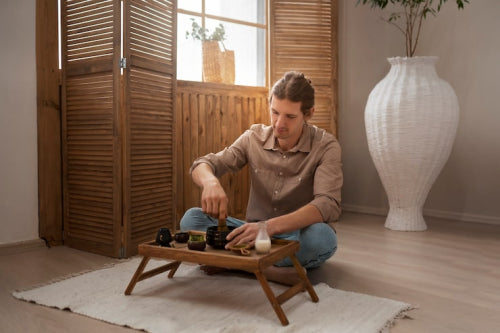
Picture entering a bright apartment in Copenhagen or a thoughtfully restored home in Berlin. The atmosphere is serene and welcoming, anchored by sleek forms and enriched with organic textures that provide quiet warmth. There's no excess, no passing trends only lasting elements that harmonize effortlessly with daily life.
Minimalist wooden furniture stands at the forefront of European interior trends, achieving that elusive harmony between elevated design and practical endurance. Natural wood has solidified its position as the preferred material for discerning homeowners who prioritize longevity alongside aesthetic appeal.
Mass-market furniture lacks heart, filling rooms with bland, short-lived pieces. Frequent breakdowns spark frustration, as replacements erode style and sentiment. At MMC Wood Creations, Udaipur artisans shape heirloom furniture with enduring craftsmanship and cozy elegance, creating pieces that echo your identity, ensuring your home radiates warmth and timeless connection. Shop Now!
The European Furniture Market: Robust Growth Driven by Sustainability
Europe's furniture industry demonstrates remarkable resilience and expansion. According to recent analysis, the overall Europe furniture market is valued at USD 262.03 billion in 2025, projected to climb to USD 330.62 billion by 2030, advancing at a compound annual growth rate (CAGR) of 4.76%.
This steady trajectory continues despite economic pressures on households, highlighting a fundamental evolution toward sustainable materials, accelerated online purchasing, and adaptable designs suited to blended living and working environments. Key catalysts include the European Union's Renovation Wave initiative, the resurgence of tourism, and innovations that reduce replacement cycles while broadening market reach.
Within this landscape, the sustainable furniture segment shows even stronger momentum, starting at USD 13.37 billion in 2025 and expected to grow to USD 17.53 billion by 2030, reflecting a 5.57% CAGR. This surge is fueled by comprehensive EU circular-economy regulations, increasing corporate environmental, social, and governance (ESG) requirements, and growing consumer preference for certified low-volatile organic compound (low-VOC) offerings.
Specialized reports on wooden furniture further underscore the material's dominance. The Europe wooden furniture market reached USD 44.88 billion in 2025, with forecasts pointing to USD 58.22 billion by 2034 at a 3.5% CAGR. Wood commanded 55% of the broader furniture market share in 2024, reinforced by demand for FSC-certified and responsibly sourced options.
Additional forces propelling growth encompass rising investments in home improvements, urbanization, new housing developments, and governmental policies like the European Green Deal that champion eco-friendly production. Consumers increasingly favor pieces that align environmental responsibility with functional versatility for modern hybrid spaces.
Scandinavian Influences: From Stark Minimalism to Embracing Cosiness
Scandinavian design continues to shape continental tastes, but in 2025 it evolves toward greater comfort and tactility. As highlighted in current trend overviews, spaces prioritize plush seating think deep sofas, generous armchairs, and adaptable daybeds that encourage relaxation and emotional well-being.
Chunky furniture emerges as a hallmark, with substantial pieces inviting occupants to truly settle in. This shift accompanies a bohemian revival, incorporating eclectic patterns, vibrant accents, and artisanal details that infuse personality without chaos.
Color plays a pivotal role: sky blue leads as a refreshing yet soothing hue, complemented by Mocha Mousse a warm, grounding brown declared Pantone's 2025 Color of the Year. Sunny yellows, saturated oranges, and subtle greiges add layers, while woods in pale oak, pine, and burl provide natural depth.
Materials gain sensory prominence through velvet, travertine, chrome accents, and sustainable choices like hemp or seagrass. Low-slung tables draw from Japandi influences, promoting relaxed elegance, while multifunctional designs address urban constraints. Biophilic principles integrate nature indoors, reviving craftsmanship and rounded forms that soften minimalism's edges. This warmer interpretation retains core simplicity clean functionality layered with texture making spaces feel lived-in rather than austere.
Cane's Resurgence and the Rise of Outdoor Living
Complementing solid woods, cane weaving experiences renewed popularity, offering breathable texture that aligns with bohemian elements and mid-century references. These lightweight yet robust chairs and accents layer effortlessly, adding visual interest to interiors like reading nooks or sunrooms.
Outdoor furniture similarly blurs boundaries, capitalizing on Europe's temperate regions. Durable sets crafted from teak or acacia extend interiors to terraces and gardens, emphasizing weather resistance and graceful aging. Sustainability remains paramount, with preferences for certified sources that support long-term ecological balance.
Practical Luxury: Affordable Durability Meets Timeless Appeal
Amid these developments, a defining characteristic is accessibility. European consumers seek refined aesthetics that endure real-world use furniture blending aspirational quality with budgetary realism and classic lines immune to fleeting fads.
Brands specializing in cane, solid wood, and outdoor categories rise to this demand, delivering resilient constructions that prioritize timeless silhouettes. MMC Wood Creations exemplifies this approach, focusing on durable, practical pieces that bridge luxury aspirations with everyday functionality while upholding sustainability.
As a newer entrant, the brand counters potential skepticism through emphasis on proven craftsmanship, high-demand categories, and designs built to transcend trends ensuring investments retain relevance and value over decades.
Enduring Foundations for Modern European Homes
In an age of rapid change, minimalist wooden furniture provides a steadfast anchor across Europe. It fosters environments that nurture well-being and environmental stewardship, delivering tranquility without sacrifice and elegance that matures gracefully.
Supported by solid market growth, regulatory momentum, and evolving tastes toward warmth and authenticity, these pieces transcend mere utility. They encourage slower, more intentional living rooted in nature, crafted for permanence, and poised to define interiors for years ahead.
Frequently Asked Questions
What is driving the growth of the European furniture market in 2025?
The European furniture market is valued at USD 262.03 billion in 2025 and is projected to reach USD 330.62 billion by 2030, with a CAGR of 4.76%. This growth is fueled by the shift toward sustainable materials, increased online purchasing, the EU's Renovation Wave initiative, and demand for adaptable designs suited to hybrid living and working environments. Wooden furniture dominates the market, commanding 55% of the overall furniture market share in 2024.
How has Scandinavian design evolved in European interior trends?
Scandinavian design in 2025 has evolved from stark minimalism toward greater comfort and warmth, embracing what's known as "cosy minimalism." Current trends prioritize plush seating like deep sofas and generous armchairs, chunky substantial furniture pieces, and bohemian elements with eclectic patterns and artisanal details. Color palettes now include warm tones like Mocha Mousse (Pantone's 2025 Color of the Year), sky blue, and sunny yellows, combined with natural woods in pale oak and pine to create lived-in rather than austere spaces.
Why is sustainable wooden furniture becoming more popular in Europe?
The European sustainable furniture segment is experiencing strong growth, valued at USD 13.37 billion in 2025 and expected to reach USD 17.53 billion by 2030 (5.57% CAGR). This surge is driven by EU circular-economy regulations, corporate ESG requirements, and increasing consumer preference for FSC-certified, low-VOC wooden furniture that combines environmental responsibility with durability. Consumers increasingly favor timeless pieces that align with biophilic design principles while reducing replacement cycles and supporting long-term ecological balance.
Disclaimer: The above helpful resources content contains personal opinions and experiences. The information provided is for general knowledge and does not constitute professional advice.
You may also be interested in: The Enduring Appeal of Unadorned Wood Surfaces
Mass-market furniture lacks heart, filling rooms with bland, short-lived pieces. Frequent breakdowns spark frustration, as replacements erode style and sentiment. At MMC Wood Creations, Udaipur artisans shape heirloom furniture with enduring craftsmanship and cozy elegance, creating pieces that echo your identity, ensuring your home radiates warmth and timeless connection. Shop Now!
Powered by flareAI.co