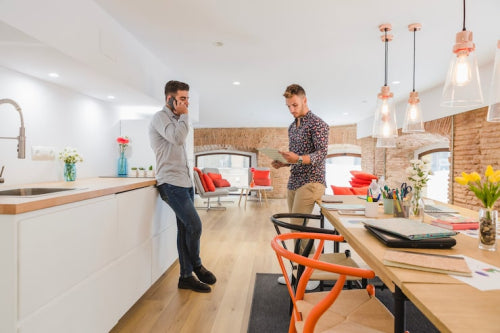
In Mumbai's bustling high-rises, where space is as scarce as a quiet moment, furniture is no longer just decor it's a strategic ally in the battle for square footage. Imagine a 400-square-foot flat in Bandra, where a solid-wood L-shaped sofa hides storage for linens, a wall-mounted TV unit saves floor space, and a coffee table doubles as a desk. This is the new reality of urban India, where compact living demands ingenuity. From Bangalore's tech corridors to Jaipur's artisanal workshops, the surge in modular, elegant furniture reflects a nation adapting to smaller homes with bigger dreams, fueled by urbanization and a craving for style that endures.
Mass-market furniture lacks heart, filling rooms with bland, short-lived pieces. Frequent breakdowns spark frustration, as replacements erode style and sentiment. At MMC Wood Creations, Udaipur artisans shape heirloom furniture with enduring craftsmanship and cozy elegance, creating pieces that echo your identity, ensuring your home radiates warmth and timeless connection. Shop Now!
Compact Living: Mumbai's Furniture Revolution
Mumbai's real estate market paints a vivid picture of constraint. A 2024 report from the Maharashtra Real Estate Regulatory Authority reveals that 50% of newly registered properties are under 650 square feet, with 60% of new launches being 1 BHK or 2 BHK units. This trend has ignited a transformation in living-room furniture, where versatility reigns supreme. Modular solid-wood designs think sectional sofas with hidden storage or coffee tables with built-in shelves are now essentials, not extras. Retailers in Thane and Andheri note a 25–30% surge in demand for wall-mounted entertainment units that streamline cables, a sign that Mumbai's homeowners prize furniture as hardworking as they are.
The shift extends beyond Mumbai. In Bangalore and Pune, where IT professionals flock to studio apartments, modular furniture suits transient lifestyles and frequent moves. Chennai and Hyderabad, battling humid or arid climates, favor durable hardwoods like teak or rubberwood with UV-resistant coatings. Meanwhile, Ahmedabad's upscale enclaves and Jaipur's craft-rich heritage drive demand for sheesham or acacia pieces that blend luxury with practicality. The India furniture market, valued at USD 23.8 billion in 2024 and projected to hit USD 44.2 billion by 2033 at a 6.4% CAGR, underscores how brands are capitalizing on these region-specific preferences, driven by rising incomes, urban growth, and e-commerce expansion.
Tailored Designs for India's Metros
Each city tells its own story through furniture choices. In Mumbai's Andheri or Byculla, where older buildings have narrow stairways and uneven walls, lightweight modular designs in rubberwood or acacia are a boon. Bangalore's Indiranagar and Hyderabad's Gachibowli see young professionals snapping up L-shaped sofas with storage, perfect for 500-square-foot flats that demand multifunctionality. In Pune's Kharadi, convertible coffee tables that morph into desks cater to hybrid workers, reflecting the city's tech-driven ethos. Kolkata's joint-family homes prefer foldable wooden chairs stackable for daily use but expandable for festivals while Chennai leans toward termite-resistant rubberwood to combat coastal humidity.
Jaipur and Ahmedabad elevate the aesthetic stakes. Jaipur's buyers, steeped in artisanal tradition, seek cane and wooden furniture with intricate carvings that bridge heritage and modernity. Ahmedabad's luxury housing boom fuels demand for warm, sheesham-crafted pieces that exude sophistication without cluttering compact spaces. The India furniture market is set to soar from USD 30.6 billion in 2025 to USD 64.1 billion by 2032, growing at an 11.1% CAGR, propelled by a shift to organized retail, modern designs, and 51% FDI in multi-brand retail, which invites global players to India's urban markets.
Navigating the Challenges of Modular Design
Crafting furniture for compact spaces comes with obstacles. Solid woods like teak or sheesham, valued for their strength, are heavy, complicating transport in Mumbai's walk-up tenements or Kolkata's tight lanes. Customization, a key draw, often extends delivery timelines, particularly in Bangalore and Pune, where buyers demand tailored fits for unique layouts. Older apartments in Mumbai's Dadar or Kolkata's Kalighat, with their non-uniform walls, pose precision challenges for modular installations. Cost remains a hurdle too while Ahmedabad and Hyderabad buyers covet premium looks, they often prioritize budget-friendly options that maintain elegance, as highlighted in the India modular furniture market forecast, which sees growth from USD 3.71 billion in 2024 to USD 7.53 billion by 2033 at a 7.54% CAGR, driven by urban real estate and eco-conscious materials.
New brands like MMC Wood Creations face skepticism as market newcomers, yet their focus on affordable, durable designs positions them well. By offering cane, wooden, and outdoor furniture that taps into Instagram-driven demand and timeless aesthetics, they counter objections with products that blend luxury with everyday utility, appealing to cost-conscious yet style-savvy buyers across India's metros.
Seizing Opportunities in a Growing Market
The compact-living trend is a catalyst for innovation. Mumbai's developers, building ever-smaller units, ensure a steady need for space-efficient furniture. E-commerce thrives in Bangalore, Pune, and Hyderabad, where online configurators paired with offline installation resonate with tech-savvy buyers. Sustainability gains traction too Jaipur, Ahmedabad, and Chennai consumers increasingly demand responsibly sourced woods like sheesham or acacia, aligning with global eco-trends. Modular add-ons, such as floating shelves or expandable benches, are a hit in Mumbai, where phased upgrades suit space-strapped homeowners.
The future holds promise. Over the next three to five years, Bangalore, Pune, and Mumbai will embrace minimalist, Scandinavian-inspired designs with Indian craftsmanship flourishes. Hyderabad and Chennai are poised for tech-integrated furniture, like sofas with wireless charging or TV units with smart lighting. Ahmedabad and Jaipur are pioneering AR/VR tools to visualize modular layouts, a trend likely to spread. As Mumbai's 300–400-square-foot homes dominate new launches, transformable furniture nested tables, wall beds, foldable seating will define urban living, per the India furniture market projection of USD 89.46 billion by 2030 at a 7.8% CAGR, with sofas and couches as the fastest-growing segment.
Shaping India's Urban Future
Mumbai's compact homes are more than a real estate phenomenon they're a template for India's urban evolution. From Bangalore's tech minimalism to Jaipur's crafted elegance, the rise of modular, solid-wood furniture mirrors a collective aspiration to live smarter in smaller spaces. Brands like MMC Wood Creations, with their affordable yet durable designs, are well-placed to lead this shift, offering pieces that balance practicality with timeless appeal. By embracing plug-and-play modularity, climate-resilient finishes, and digital tools like AR visualization, manufacturers can transform cramped flats into havens of innovation. In a nation where urban homes shrink but ambitions grow, furniture isn't just functional it's the key to reimagining how India lives.
Frequently Asked Questions
What are the best furniture design tips for small living rooms in Mumbai apartments?
For small living rooms in Mumbai apartments, opt for modular furniture like sofa-cum-beds or foldable coffee tables to maximize space. Choose sleek, minimalist designs with neutral colors to create an airy feel, as bold patterns can overwhelm compact areas. Incorporate multi-functional pieces, such as storage ottomans, to keep clutter at bay while maintaining elegance.
How can modular furniture enhance the functionality of a compact apartment in Mumbai?
Modular furniture, such as wall-mounted shelves or expandable dining tables, adapts to the limited space in Mumbai apartments by offering flexibility and storage solutions. These pieces can be reconfigured or tucked away when not in use, making them ideal for dynamic urban lifestyles. Their customizable nature ensures they fit seamlessly into small living rooms while adding a modern, elegant touch.
Why is minimalist furniture ideal for Mumbai's compact apartment living rooms?
Minimalist furniture suits Mumbai's compact apartments because it emphasizes clean lines and functional designs that don't overcrowd small spaces. By using light colors and simple silhouettes, minimalist pieces make living rooms feel larger and more open. This style also aligns with the city's fast-paced, clutter-free lifestyle, blending practicality with sophisticated elegance.
Disclaimer: The above helpful resources content contains personal opinions and experiences. The information provided is for general knowledge and does not constitute professional advice.
You may also be interested in: Profiles of Master Carpenters Shaping Modern Interiors
Mass-market furniture lacks heart, filling rooms with bland, short-lived pieces. Frequent breakdowns spark frustration, as replacements erode style and sentiment. At MMC Wood Creations, Udaipur artisans shape heirloom furniture with enduring craftsmanship and cozy elegance, creating pieces that echo your identity, ensuring your home radiates warmth and timeless connection. Shop Now!
Powered by flareAI.co