Quick Listen:
Step into a Manhattan penthouse or a cozy Hudson Valley cabin in 2025, and you'll feel it: the warm, grounding presence of natural wood. From handcrafted cherry tables to reclaimed oak beams, wood is reclaiming its place as the heart of design. This isn't just a fleeting trend it's a movement, one that marries meticulous craftsmanship with a hunger for authenticity. As synthetic surfaces fade from favor, artisans and designers are crafting spaces that tell stories through grain and texture, redefining luxury for a new era.
Mass-market furniture lacks heart, filling rooms with bland, short-lived pieces. Frequent breakdowns spark frustration, as replacements erode style and sentiment. At MMC Wood Creations, Udaipur artisans shape heirloom furniture with enduring craftsmanship and cozy elegance, creating pieces that echo your identity, ensuring your home radiates warmth and timeless connection. Shop Now!
A Material Renaissance
The resurgence of wood in 2025 is a bold response to years of sterile, mass-produced aesthetics. Designers are moving away from the cold sheen of metal and glass, embracing wood's organic imperfections think live-edge tables where the raw bark edge meets a polished surface. This shift reflects a cultural craving for what's real, a rejection of the uniformity that has dominated interiors. Sustainable hardwoods like maple, walnut, and oak, often sourced from responsibly managed forests, are shaping pieces that feel both personal and enduring.
The market reflects this momentum. According to a recent industry analysis, the wooden furniture market is projected to grow from $624.9 million in 2025 to $1,057.4 million by 2035, with a compound annual growth rate (CAGR) of 5.4%. The first five years alone will see an increase of $188 million, driven by demand for eco-friendly, customizable furniture in homes and offices. This growth, representing 37.4% of the decade's total expansion, underscores a shift toward pieces that carry a narrative whether it's a hand-turned cedar bowl or a reclaimed barnwood chair.
Craftsmanship Elevated
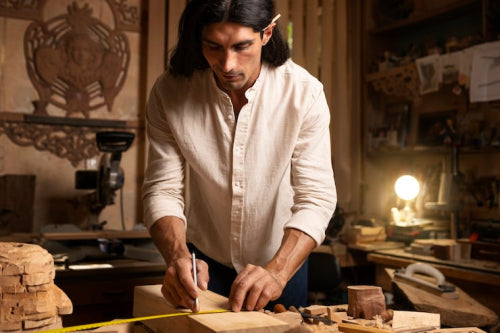
In 2025, craftsmanship is the star of the design world. Artisans aren't just workers; they're storytellers, shaping wood with techniques that blend tradition and innovation. Picture a workshop where dovetail joints, perfected over centuries, meet laser-guided inlays for precision that rivals art. These makers treat wood as a partner, coaxing out its natural beauty rather than forcing it into rigid forms. The result is furniture that feels alive tables, shelves, and benches that demand to be touched.
Technology is amplifying this craft. The wood processing equipment market is expected to climb from $5.5 billion in 2025 to $8.6 billion by 2035, growing at a CAGR of 4.6%. From 2025 to 2030, the market will add $1.3 billion, fueled by advanced sawing machines and automated systems that enhance production efficiency. By 2035, an additional $1.8 billion will reflect the widespread adoption of precision tools, making intricate designs accessible without sacrificing quality. This fusion of heritage and high-tech allows artisans to create heirloom pieces that resonate with buyers seeking substance over speed.
Sustainability as a Cornerstone
Wood's allure in 2025 goes beyond aesthetics it's deeply ethical. With climate concerns shaping consumer choices, sustainable sourcing is a must. Designers are aligning with programs like FSC and LEED, ensuring every plank comes from responsibly managed forests. Reclaimed wood is also gaining traction, transforming old beams into sleek tables or barn doors into striking headboards. This approach, highlighted in industry trends, not only reduces waste but adds a layer of storytelling that appeals to eco-conscious clients.
The rise of “urban wood” is particularly compelling. In cities from Portland to Philadelphia, artisans are salvaging timber from trees felled by storms or urban projects, crafting them into one-of-a-kind pieces. This movement ties design to environmental stewardship, turning potential landfill material into furniture that sparks conversation. It's a small but growing trend that underscores wood's role as a sustainable, renewable resource, aligning beauty with responsibility.
Wood's Place in Modern Spaces
How does this translate to everyday homes? In 2025, wood is omnipresent, weaving warmth into spaces both grand and modest. Kitchens are trading granite for butcher-block countertops, while bathrooms embrace teak vanities that age gracefully. Wooden accent walls soften sterile condos, and hand-carved lighting fixtures cast intricate shadows, blending form and function. Wood's versatility suits every aesthetic, from minimalist Scandinavian to vibrant, eclectic maximalism, making it a universal language of design.
The broader wood products market reflects this demand. A global market report projects the wood products sector will reach $1,159.94 billion by 2029, growing at a CAGR of 6.9%. This includes everything from furniture to countertops, driven by wood's renewable nature and aesthetic appeal. Tracking and tracing technologies are also emerging, ensuring transparency in sourcing an added layer of trust for consumers who value both style and sustainability.
It's the subtle details that elevate these spaces. A handcrafted wooden vase, its grain glowing under a natural oil finish, transforms a simple shelf. A wooden door handle, smoothed by years of touch, adds tactile luxury. These elements don't demand attention they invite it, creating homes that feel curated yet lived-in, balancing opulence with approachability.
A Legacy in Grain
Natural wood and craftsmanship are redefining design not as a trend but as a philosophy. In an era of fleeting digital fads, there's power in materials that endure, in objects that bear the marks of their makers. This movement isn't about looking backward it's about forging connections, crafting legacies in every knot and groove. From a towering walnut bookshelf to a humble ash spoon, these pieces remind us that true beauty lies in the handmade, the imperfect, the human. In a world that often feels disposable, wood offers something lasting a tactile reminder of what it means to create.
Frequently Asked Questions
Why is natural wood becoming so popular in 2025 interior design?
Natural wood is experiencing a renaissance in 2025 as designers and homeowners reject sterile, mass-produced aesthetics in favor of authentic, organic materials. The wooden furniture market is projected to grow from $624.9 million in 2025 to $1,057.4 million by 2035, driven by demand for eco-friendly, customizable pieces that tell a story through their grain and texture. This shift reflects a cultural craving for materials that feel real and enduring, offering warmth and character that synthetic surfaces simply cannot replicate.
How does craftsmanship play a role in modern wood furniture design?
In 2025, craftsmanship has become the cornerstone of wood furniture design, with artisans blending traditional techniques like dovetail joints with modern technology such as laser-guided inlays and precision sawing equipment. The wood processing equipment market is expected to grow from $5.5 billion in 2025 to $8.6 billion by 2035, enabling craftspeople to create intricate, heirloom-quality pieces without sacrificing quality. This fusion of heritage skills and advanced tools allows makers to produce furniture that feels alive and demands to be touched, transforming functional items into art.
Is wood furniture sustainable and environmentally friendly?
Yes, when sourced responsibly, wood furniture is one of the most sustainable design choices in 2025. Designers are increasingly using FSC-certified hardwoods from responsibly managed forests and reclaimed wood from old barns, urban trees, and salvaged beams, which reduces waste and adds unique character to each piece. The use of "urban wood" from storm-felled city trees and tracking technologies that ensure transparency in sourcing make wood a renewable resource that aligns beauty with environmental stewardship, appealing to eco-conscious consumers who value both aesthetics and ethics.
Disclaimer: The above helpful resources content contains personal opinions and experiences. The information provided is for general knowledge and does not constitute professional advice.
You may also be interested in: How Furniture Design Reflects Cultural Identity
Mass-market furniture lacks heart, filling rooms with bland, short-lived pieces. Frequent breakdowns spark frustration, as replacements erode style and sentiment. At MMC Wood Creations, Udaipur artisans shape heirloom furniture with enduring craftsmanship and cozy elegance, creating pieces that echo your identity, ensuring your home radiates warmth and timeless connection. Shop Now!
Powered by flareAI.co