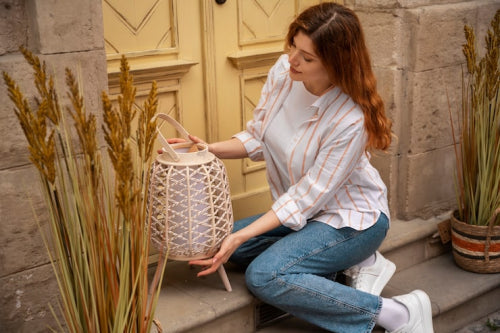
In a Bangalore studio, sunlight spills over a weaver's deft hands, shaping rattan into a chair that balances artistry and utility. The scent of polished cane fills the air, mingling with the quiet hum of purpose. Across India's vibrant metros Bangalore, Mumbai, Jaipur, Chennai, Kolkata, Hyderabad, Pune, and Ahmedabad a subtle yet powerful shift is taking root. Rattan, once a humble fixture of rural homes, is now a cornerstone of urban design, heralding a new era of sustainable luxury.
Mass-market furniture lacks heart, filling rooms with bland, short-lived pieces. Frequent breakdowns spark frustration, as replacements erode style and sentiment. At MMC Wood Creations, Udaipur artisans shape heirloom furniture with enduring craftsmanship and cozy elegance, creating pieces that echo your identity, ensuring your home radiates warmth and timeless connection. Shop Now!
Rise of Rattan: India's Metro Markets Embrace a Sustainable Décor Renaissance
India's urban furniture market is thriving, driven by a growing appetite for eco-friendly materials. A 2023 India Design Council survey reports a 20–30% surge in demand for natural, handcrafted furnishings in cities like Bangalore, Mumbai, and Pune. At the forefront is rattan, a renewable vine valued for its strength, flexibility, and low environmental footprint. Studios like MMC Wood Creations are pioneering this movement, merging age-old craftsmanship with contemporary design to craft pieces that resonate with India's environmentally conscious urban elite.
Rattan's appeal lies in its practicality and aesthetic versatility. Sourced from fast-growing vines in India's Northeast, it is lightweight, durable, and ideal for both compact Mumbai flats and expansive Jaipur estates. The global rattan products market, valued at USD 1.09 billion in 2024, is projected to reach USD 1.44 billion by 2031, growing at a 3.48% CAGR, fueled by demand for sustainable commercial applications. In India, this trend reflects a broader cultural shift, where luxury is redefined through the lens of sustainability, blending elegance with ecological responsibility.
Weaving Sustainability into Urban Design
In Mumbai's humid coastal climate, rattan's mold-resistant and breathable qualities make it a go-to for high-rise residents. Designers note a sharp rise in demand for rattan chairs and woven panels, which enhance airflow in tight spaces while adding tactile sophistication to minimalist interiors. In Bangalore's tech-centric Indiranagar, local designers report that one in four custom furniture projects now features rattan, prized for its warmth in sleek, modern settings.
Jaipur's artisans, steeped in Rajasthani craft traditions, are reimagining rattan with intricate cane patterns woven into heritage restorations, blending cultural depth with modern appeal. Chennai's design houses are seeing a boom in rattan-infused cabinetry, where the material's organic texture complements polished hardwoods. In Hyderabad and Pune, innovation hubs are pushing boundaries, combining rattan with Sheesham or teak for bold, structural designs. The Ministry of MSME highlights a 30% increase in South Indian artisans working with rattan and bamboo since 2020, with over 6,000 now engaged in the craft, underscoring its growing economic impact.
Regional Innovation, Global Reach
Each city contributes uniquely to rattan's resurgence. In Kolkata, the National Institute of Design's “Craft Innovation Program 2025” empowers students to prototype sustainable rattan furniture, merging academic precision with artisanal heritage. Hyderabad's real-estate sector, buoyed by “green interiors” incentives, incorporates rattan into LEED-certified projects, from stylish office dividers to café seating. Pune's vibrant design scene thrives on customization, with studios crafting rattan-metal hybrids that appeal to young, eco-conscious professionals.
Jaipur's artisan clusters are making waves globally, exporting handcrafted rattan furniture to markets like the UAE and Singapore. The Commerce Ministry reports an 18% year-on-year rise in export value, a testament to India's growing influence in sustainable design. In Ahmedabad, where rattan's upscale potential is still emerging, boutique showrooms are introducing the material in modern lighting fixtures and acoustic panels, signaling a shift toward broader acceptance.
Navigating Challenges in Craft and Perception
Despite its promise, rattan's rise faces obstacles. Sourcing consistent, high-quality rattan is a persistent challenge, with most supplies channeled through Assam's Northeast corridors. Variations in quality can disrupt production, particularly for studios targeting premium markets. In Chennai and Jaipur, training centers report a shortage of master weavers skilled in meeting the exacting standards of custom furniture. One Jaipur artisan put it succinctly: “Weaving rattan isn't just technique it's about feeling the material's spirit, its give and strength.”
Market perceptions also pose hurdles. In cities like Ahmedabad and Hyderabad, rattan is sometimes viewed as “rustic,” struggling to shed its rural associations and gain traction as a luxury material. Mumbai and Kolkata's humid climates demand advanced protective coatings to ensure rattan's durability, adding to production costs. Yet, these challenges are sparking innovation, with studios experimenting with new finishes and hybrid designs to enhance rattan's versatility and appeal.
Seizing Opportunities for a Greener Future
Rattan's ascent aligns seamlessly with India's sustainability ambitions, particularly the National Green Mission's 2030 goals. Its regenerative growth and low-carbon processing position it as an ideal material for eco-conscious design. In Bangalore and Pune, studios are capitalizing on this, crafting bespoke pieces that blend rattan with metal or hardwood for a modern, sustainable aesthetic. These efforts extend beyond aesthetics, fostering economic growth by creating jobs and revitalizing artisanal communities.
The global market offers further potential. Jaipur's artisans are proving that Indian rattan can rival international competitors, with boutique brands like MMC Wood Creations positioning their work as premium, eco-modern craftsmanship. Mumbai's designers forecast that rattan's share in custom furniture projects will double by 2027, driven by rising demand for eco-certified products. In Hyderabad and Chennai, architects envision rattan expanding into new applications lighting fixtures, room dividers, and acoustic panels transforming urban spaces with sustainable elegance.
The rattan products market analysis underscores this momentum, noting that qualitative and quantitative insights reveal key drivers, such as commercial demand, alongside challenges like supply constraints. As India's urban centers embrace rattan, the material is poised to redefine the intersection of craft and commerce.
A Craft That Endures
Stepping into a Pune showroom, I ran my fingers along the smooth curve of a rattan lounge chair, its weave telling a story of resilience and ingenuity. This is more than furniture it's a testament to India's artisans, designers, and urban visionaries who are threading sustainability into the fabric of modern life. The rattan renaissance is not a passing fad; it's a movement grounded in heritage, innovation, and conscience. From Bangalore's bustling studios to Jaipur's timeless workshops, rattan is redefining luxury, proving that beauty and responsibility can intertwine, one meticulous weave at a time.
Frequently Asked Questions
Why is rattan furniture becoming popular in Indian metro cities like Bangalore and Mumbai?
Rattan furniture is gaining popularity in Indian metros due to its perfect blend of sustainability, durability, and aesthetic versatility. The material is lightweight, mold-resistant, and ideal for humid climates like Mumbai, while its natural warmth complements modern interiors in tech-centric cities like Bangalore. A 2023 India Design Council survey reports a 20-30% surge in demand for natural, handcrafted furnishings across major Indian cities, with rattan leading this eco-friendly design renaissance.
What are the main challenges facing the rattan furniture industry in India?
The Indian rattan furniture industry faces three primary challenges: sourcing consistent, high-quality rattan (mostly from Assam's Northeast corridors), a shortage of skilled master weavers who can meet premium market standards, and market perception issues where rattan is sometimes viewed as "rustic" rather than luxurious. Additionally, humid climates in cities like Mumbai and Kolkata require advanced protective coatings to ensure durability, which increases production costs for artisans and studios.
How does rattan furniture contribute to India's sustainability goals?
Rattan aligns with India's National Green Mission 2030 goals through its regenerative growth cycle, low-carbon processing, and minimal environmental footprint. The material is sourced from fast-growing vines in Northeast India, making it a renewable resource that creates jobs for over 6,000 artisans across South India. The global rattan products market, valued at USD 1.09 billion in 2024 and projected to reach USD 1.44 billion by 2031, reflects growing demand for sustainable commercial applications that reduce ecological impact while supporting local craftsmanship.
Disclaimer: The above helpful resources content contains personal opinions and experiences. The information provided is for general knowledge and does not constitute professional advice.
You may also be interested in: Timeless Furniture Trends That Outlast Seasonal Fads
Mass-market furniture lacks heart, filling rooms with bland, short-lived pieces. Frequent breakdowns spark frustration, as replacements erode style and sentiment. At MMC Wood Creations, Udaipur artisans shape heirloom furniture with enduring craftsmanship and cozy elegance, creating pieces that echo your identity, ensuring your home radiates warmth and timeless connection. Shop Now!
Powered by flareAI.co