Quick Listen:
In the compact high-rises of Bangalore and the heritage homes of Jaipur, Indian homeowners are rethinking what lasts in their living spaces. They're turning away from fleeting, factory-made items toward furniture crafted from solid wood pieces sourced thoughtfully, built skillfully, and intended to endure for generations.
Mass-market furniture lacks heart, filling rooms with bland, short-lived pieces. Frequent breakdowns spark frustration, as replacements erode style and sentiment. At MMC Wood Creations, Udaipur artisans shape heirloom furniture with enduring craftsmanship and cozy elegance, creating pieces that echo your identity, ensuring your home radiates warmth and timeless connection. Shop Now!
Sustainable Practices in Crafting Custom Furniture: Inside MMC Wood Creation's Responsible Design Philosophy
Region-rooted sourcing, artisanal techniques, and environmentally conscious production are transforming the landscape of custom solid wood furniture in India's major design centers.
Step into a contemporary apartment in Mumbai or a tech professional's home in Pune, and you'll likely encounter a handcrafted table or wardrobe that embodies meticulous care. This growing preference reflects a broader evolution in urban India, where sustainability has shifted from niche appeal to core expectation, deeply embedded in material choices and craftsmanship.
Why Sustainability Is Redefining India's Handcrafted Solid Wood Furniture Sector
In key cities Bangalore, Mumbai, Jaipur, Chennai, Kolkata, Hyderabad, Pune, and Ahmedabad demand for durable, ethically made furniture is accelerating. Initiatives promoting smart cities in Bangalore and Hyderabad prioritize eco-friendly interiors, while traditional craftsmanship hubs in Jaipur and Ahmedabad sustain low-waste methods passed down through generations.
Workshops like MMC Wood Creations, nestled in Udaipur's vibrant artisan community, integrate these values as fundamental operations rather than superficial claims. They focus rigorously on material integrity, production efficiency, and product longevity.
The sector's momentum is undeniable. India's overall furniture market is valued at approximately USD 29.97 billion in 2025, with projections to reach USD 43.24 billion by 2030 at a 7.6% CAGR. Meanwhile, the global custom furniture market stands at USD 35.45 billion in 2025, expected to grow to USD 65.67 billion by 2032 with a 9.2% CAGR. Within this, wood commands 39.5% share, residential applications 51%, and Asia Pacific including India's rapid expansion holds 27.8%. These figures underscore how preferences for modular, eco-aligned designs are propelling growth.
How Indian Furniture Hubs Are Adopting Sustainable Crafting Models
In states like Maharashtra, Karnataka, and Tamil Nadu, suppliers increasingly rely on legally harvested hardwoods and plantation-grown timber. Made-to-order approaches in Jaipur, Ahmedabad, and Kolkata minimize surplus stock and material waste.
Traditional hand-joinery prevails in Jaipur and Chennai, significantly reducing energy demands versus automated lines. In premium segments of Mumbai, Bangalore, and Pune, artisans favor natural, low-VOC oils and waxes for finishes that prioritize health and environmental impact. Such adaptations stem from evolving consumer demands and resilient supply networks in a nation long celebrated for its woodworking heritage.
From Timber Selection to Final Finish: MMC Wood Creation's Region-Sensitive Sustainability Framework
MMC Wood Creations begins with regionally appropriate solid woods, often teak or comparable hardwoods secured through ethical channels suited to India's diverse climates. Designs incorporate repairable joinery, modular configurations, and enduring aesthetics ideals that extend service life in dynamic urban settings like Mumbai and Bangalore.
Offcuts find purpose in accessory items, mirroring resourceful traditions in Rajasthan and Gujarat. Workshops emphasize natural ventilation, hand tools over machines, and optimized scheduling to curb energy use.
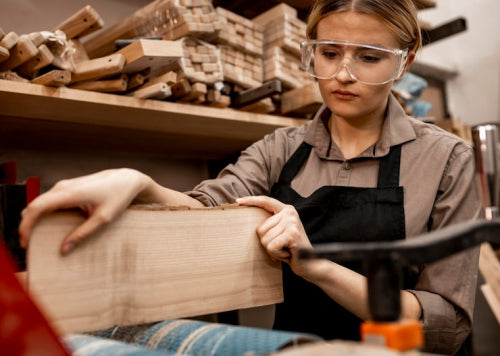
In Udaipur, skilled craftsmen fuse classic mortise-and-tenon joins with contemporary needs for space efficiency, yielding furniture that feels timeless and heirloom-worthy.
How Sustainable Custom Furniture Is Being Applied Across Indian Cities
Bangalore and Pune see tailored workspaces and dining solutions engineered for limited square footage, eliminating unnecessary material. Mumbai's affluent clientele invest in robust constructions that defy rapid obsolescence.
Craft centers in Jaipur and Ahmedabad uphold chemical-minimal joinery rooted in legacy. In Chennai and Hyderabad, solid woods selected for breathability suit local humidity and heat. Kolkata's makers draw inspiration from restoration, promoting reuse and prolonged utility. These varied implementations demonstrate sustainability's adaptability to India's regional lifestyles and climates.
The Practical Constraints Facing Sustainable Custom Furniture Makers in India
Obstacles remain formidable. Securing steady, regulation-compliant timber proves challenging in western and southern supply lines. Premium pricing from skilled workmanship and responsible sourcing can deter budget-conscious buyers in competitive hubs like Mumbai and Bangalore.
Misconceptions persist that eco-conscious equates to aesthetic sacrifice. Moreover, inherently manual processes in Jaipur and similar areas inherently limit volume expansion a choice that preserves quality but caps growth.
Why Sustainability Is Becoming a Competitive Advantage in Custom Furniture
These commitments yield tangible returns. Long-lasting, serviceable items foster loyalty and referrals in expanding centers like Bangalore and Hyderabad. Custom production inherently trims waste and operational overheads over time.
Discerning purchasers in Mumbai increasingly reward transparent ethical stories. Compliance with emerging green building standards across metros provides further strategic leverage. For craft-anchored operations in places like Udaipur, sustainability translates to differentiated positioning and resilient business models.
Craft, Responsibility, and Long-Term Thinking as the Industry Standard
From Bangalore's forward-thinking studios to Jaipur's time-honored workshops, sustainability manifests as disciplined, integrated practice across India's furniture ecosystem. Enterprises like MMC Wood Creations exemplify shared commitments: deliberate sourcing, waste reduction, and enduring design.
Ahead, stronger partnerships among designers, artisans, and suppliers appear poised to accelerate progress. Consumers, particularly in cities, gravitate toward fewer, superior pieces. In custom solid wood furniture, accountability is evolving from optional virtue to foundational norm aligning seamlessly with India's profound woodworking legacy.
Frequently Asked Questions
What makes custom solid wood furniture more sustainable than mass-produced furniture?
Custom solid wood furniture is crafted using made-to-order approaches that minimize material waste and surplus stock. Artisans employ traditional hand-joinery techniques that significantly reduce energy consumption compared to automated production lines, while using ethically sourced hardwoods from legal and plantation-grown sources. The focus on durability and repairable joinery also means these pieces last for generations, eliminating the need for frequent replacements that contribute to landfill waste.
How does MMC Wood Creations ensure sustainability in their furniture production process?
MMC Wood Creations implements a comprehensive sustainability framework starting with regionally appropriate solid woods like teak secured through ethical channels. They design furniture with repairable joinery and modular configurations to extend service life, repurpose offcuts into accessory items to minimize waste, and use natural ventilation and hand tools to reduce energy consumption. Their finishes prioritize natural, low-VOC oils and waxes that are healthier for both people and the environment.
Why is custom wood furniture more expensive than regular furniture in Indian cities like Mumbai and Bangalore?
The premium pricing of custom solid wood furniture reflects the skilled craftsmanship required for hand-joinery and detailed work, as well as the cost of responsibly sourced, regulation-compliant timber. These pieces are built to last generations rather than requiring replacement every few years, making them a long-term investment. The made-to-order nature and use of eco-friendly finishes also contribute to higher upfront costs, though they deliver better value through durability, timeless design, and lower environmental impact over time.
Disclaimer: The above helpful resources content contains personal opinions and experiences. The information provided is for general knowledge and does not constitute professional advice.
You may also be interested in: Furniture That Adapts to Changing Household Needs
Mass-market furniture lacks heart, filling rooms with bland, short-lived pieces. Frequent breakdowns spark frustration, as replacements erode style and sentiment. At MMC Wood Creations, Udaipur artisans shape heirloom furniture with enduring craftsmanship and cozy elegance, creating pieces that echo your identity, ensuring your home radiates warmth and timeless connection. Shop Now!
Powered by flareAI.co