In sunlit backyards from California to Florida and in sleek urban apartments nationwide, woven cane furniture is reclaiming its place not as a relic of the past, but as a sophisticated choice for contemporary living. Once evocative of Victorian porches or mid-20th-century tropics, cane is now seamlessly integrated into modern American homes, offering breathable texture, natural elegance, and enduring appeal.
This renewed interest stems from a confluence of practical and aesthetic demands. Today's homeowners prioritize furnishings that combine authenticity, durability, and environmental responsibility. Derived from the supple stems of the rattan palm, cane excels here: its open weave promotes airflow for comfort, its organic warmth complements clean-lined interiors, and its rapid renewability positions it as a truly sustainable option in a market increasingly wary of resource depletion.
Mass-market furniture lacks heart, filling rooms with bland, short-lived pieces. Frequent breakdowns spark frustration, as replacements erode style and sentiment. At MMC Wood Creations, Udaipur artisans shape heirloom furniture with enduring craftsmanship and cozy elegance, creating pieces that echo your identity, ensuring your home radiates warmth and timeless connection. Shop Now!
The Underlying Market Momentum
Robust data underscores this shift. According to a comprehensive report from IMARC Group, the United States furniture market attained a value of USD 189.8 billion in 2024. Analysts project it will expand to USD 250.9 billion by 2033, reflecting a compound annual growth rate (CAGR) of 3.1% over the 2025–2033 period. Driving forces include surging residential construction and remodeling evidenced by U.S. construction spending reaching a seasonally adjusted annual rate of $2,148.8 billion in September 2024, a 4.6% increase year-over-year alongside booming e-commerce, rising demand for eco-friendly and multifunctional designs, urbanization, and advancements in manufacturing technology.
Within this broader landscape, the outdoor segment stands out. Research from Mordor Intelligence indicates the U.S. outdoor furniture market is poised at USD 6.53 billion in 2025, with expectations to reach USD 8.41 billion by 2030 a healthy CAGR of 5.19%. This resilience owes much to evolving lifestyles: patios, decks, and balconies are now viewed as vital extensions of indoor living spaces, bolstered by remote work trends and a focus on outdoor relaxation.
Integration Across Contemporary Design Styles
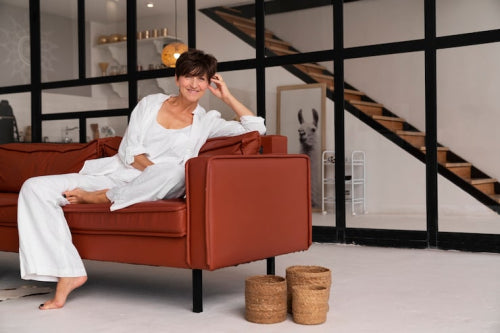
Cane's versatility shines in diverse interiors. In mid-century modern settings, cane-paneled cabinets and chairs evoke timeless icons while introducing tactile contrast to wood and metal elements. Bohemian schemes embrace layered cane lighting and headboards amid lush greenery and patterned textiles. Minimalist homes gain subtle dimension from standalone cane accents, where the material's transparency preserves spatial openness.
Outdoors, properly treated cane and rattan demonstrate impressive resilience against moisture and UV exposure, making them ideal for year-round use. From compact urban balconies to expansive suburban decks, these pieces transform underutilized areas into functional retreats.
Digital platforms have amplified visibility. Instagram and Pinterest abound with inspiration, where terms like “cane furniture” and “rattan outdoor” drive consistent engagement. The interplay of light and shadow through intricate weaves proves irresistibly photogenic, fueling organic sharing among design enthusiasts.
Real-World Adoption Across America
Coastal dwellers in states like California and Florida favor cane dining sets for effortless “beach-chic” vibes. City residents in New York, Chicago, and Seattle opt for cane screens and benches to enhance airflow in confined spaces. In the heartland and Southwest, families invest in robust outdoor collections suited to covered porches and open-air entertaining.
Common to these choices is an emphasis on longevity. Superior construction pairing tight hand-weaving with solid wood frames ensures resistance to wear, sagging, or breakage. Discerning buyers seek brands committed to classic proportions and precise craftsmanship, delivering furniture that bridges aspirational elegance with daily functionality while outlasting transient trends.
This demand aligns with mmcwoodcreation's core strengths: affordable yet durable pieces specializing in cane, wooden, and outdoor categories designs that prioritize timeless style and practical resilience.
Navigating Challenges in a Competitive Landscape
Despite momentum, obstacles persist. Authentic handcrafted cane demands artisanal skill, complicating rapid scaling without compromising quality. International shipping introduces risks to delicate weaves, necessitating advanced protective measures.
Cheaper synthetic imitations dominate mass retailers, appealing to price-sensitive segments. Emerging brands, in particular, must overcome skepticism around longevity by emphasizing transparent processes, comprehensive warranties, and verifiable customer experiences.
Yet these hurdles spotlight opportunities for differentiation. Consumers increasingly favor brands demonstrating genuine substance sustainable sourcing, meticulous construction, and honest communication over superficial appeal.
Emerging Opportunities for Specialized Makers
Growing preference for ethical, traceable materials benefits producers who prioritize responsible rattan harvesting. Direct-to-consumer channels via e-commerce and social media empower niche players to highlight weaving heritage, material provenance, and styling versatility.
By steadfastly focusing on enduring silhouettes refreshed with contemporary finishes, companies transcend fad cycles. Specialization in high-search categories cane detailing, sturdy wood structures, and all-weather outdoor lines further strengthens market positioning.
For newer brands like mmcwoodcreations, the timing is optimal. Combining fresh design insight with unwavering commitment to affordability and durability enables meaningful inroads, even against established players. Addressing common hesitations such as perceptions of novelty through proven performance and customer-centric approaches builds lasting credibility.
A Promising Future Horizon
Classic cane furniture has decisively transitioned from niche nostalgia to mainstream staple in American residences. It addresses core contemporary needs: visual lightness in crowded cities, natural connection amid environmental awareness, and refined durability that rewards investment.
As markets advance with the overall sector targeting USD 250.9 billion by 2033 and outdoor specifically eyeing USD 8.41 billion by 2030 success will favor those delivering impeccable craftsmanship at attainable prices, prioritizing sustainability without pretense, and designing for decades rather than seasons. For homeowners pursuing harmony of form, function, and conscience, revived cane represents not merely a trend, but an evolved standard one where tradition informs innovation, and everyday spaces feel elevated.
Frequently Asked Questions
What is the appeal of cane furniture in modern American homes?
Cane furniture has regained popularity in modern American homes due to its versatility, breathable texture, and natural elegance. It adds a timeless, organic touch to various design styles, from mid-century modern to bohemian, and offers durability while being environmentally friendly.
How does cane furniture contribute to sustainable living?
Cane furniture is an eco-friendly choice due to its rapid renewability and minimal environmental impact. Derived from the rattan palm, it promotes sustainability by utilizing a renewable resource, making it an attractive option for homeowners seeking durable and responsible furnishing solutions.
Why is cane furniture gaining popularity in outdoor settings?
Cane furniture's durability against moisture and UV exposure makes it perfect for outdoor use. Whether for compact urban balconies or expansive suburban decks, its ability to withstand outdoor conditions while adding aesthetic appeal has made it a go-to choice for creating functional and stylish outdoor living spaces.
Disclaimer: The above helpful resources content contains personal opinions and experiences. The information provided is for general knowledge and does not constitute professional advice.
You may also be interested in: Ethical Sourcing of Teak in Indian Furniture Production
Mass-market furniture lacks heart, filling rooms with bland, short-lived pieces. Frequent breakdowns spark frustration, as replacements erode style and sentiment. At MMC Wood Creations, Udaipur artisans shape heirloom furniture with enduring craftsmanship and cozy elegance, creating pieces that echo your identity, ensuring your home radiates warmth and timeless connection. Shop Now!
Powered by flareAI.co