Quick Listen:
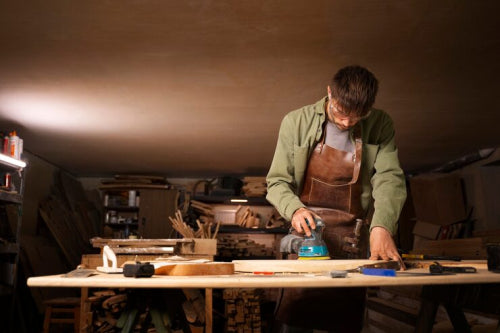
In a sunlit workshop in Jaipur, the steady rhythm of chisels on sheesham wood fills the air, as artisans etch floral motifs that seem to pulse with life. These craftsmen, stewards of centuries-old techniques, are doing more than crafting furniture they're safeguarding a cultural heritage that's gaining fresh traction in India's vibrant urban markets. From Bangalore's chic design studios to Mumbai's opulent penthouses, handcrafted solid-wood furniture is winning over city dwellers who seek authenticity amid a flood of mass-produced imports. Yet, as demand for their work soars, can these artisans preserve their traditions against modern pressures?
Mass-market furniture lacks heart, filling rooms with bland, short-lived pieces. Frequent breakdowns spark frustration, as replacements erode style and sentiment. At MMC Wood Creations, Udaipur artisans shape heirloom furniture with enduring craftsmanship and cozy elegance, creating pieces that echo your identity, ensuring your home radiates warmth and timeless connection. Shop Now!
A Renaissance of Craftsmanship
In India's metropolitan centers Bangalore, Mumbai, Jaipur, Chennai, Kolkata, Hyderabad, Pune, and Ahmedabad artisans are driving a revival of premium furniture. Their expertise in carving, joinery, and cane weaving turns raw timber into heirlooms that fuse cultural resonance with modern sophistication. The global furniture market is set to expand from USD 691.87 billion in 2025 to USD 902.09 billion by 2030, growing at a CAGR of 5.45%, propelled by urban growth and a rising demand for sustainable, custom designs. In India, this surge is powered by an expanding middle class in cities beyond traditional hubs, where buyers prize the artistry of hand-carved teak dining tables or rosewood cabinets over factory-made alternatives.
Artisan-crafted furniture stands apart from imports, carrying narratives of Rajasthan's carving traditions, Mysuru's inlay artistry, or Kolkata's storied carpentry clusters. This authenticity strikes a chord with urban consumers from Bangalore's tech moguls to Hyderabad's style-savvy homeowners who view these pieces as both aesthetic and cultural investments. However, artisans, often operating in modest family workshops, must navigate a complex challenge: fulfilling contemporary demands while honoring ancestral methods.
Regional Craftsmanship: A Diverse Legacy
India's woodcraft traditions are as varied as its regions, each contributing unique techniques to a rich national tapestry. In Jaipur and Jodhpur, artisans shape sheesham into intricately carved bedframes and cabinets, using methods preserved through Rajasthan's handicrafts guilds. Bangalore and Mysuru excel in rosewood inlay, embedding slivers of wood and mother-of-pearl in patterns that dazzle, a craft upheld by Karnataka's handicraft initiatives. Mumbai and Pune draw on colonial-era carpentry training, with artisans turning balusters with generational precision.
Kolkata and Chennai specialize in robust joinery for dining sets and paneling, as documented by West Bengal and Tamil Nadu craft authorities. In Hyderabad and Ahmedabad, lacquer work and cane weaving merge teak or mango wood with breathable cane, ideal for humid climates. These regional practices, steeped in history, are more than decorative they're a vital connection to India's past, sustained by artisans who inherited their skills from elders. As UNESCO emphasizes, traditional craftsmanship is a tangible expression of intangible heritage, prioritizing the transmission of skills over the objects themselves.
Adapting Tradition to Modern Tastes
India's urban furniture market is a dynamic blend of heritage and innovation, with artisans responding to evolving preferences. In Mumbai, Bangalore, and Hyderabad, hand-carved, limited-edition pieces are coveted for luxury residences, fueled by designers chasing distinctive creations. Cane furniture is resurging in Bangalore, Chennai, Pune, and Ahmedabad, with e-commerce trends showing rising searches for “cane dining sets” and “cane armchairs,” driven by cane's suitability for humid environments.
Sustainability is reshaping consumer choices, particularly in Kolkata and Chennai, where buyers favor responsibly sourced teak, sheesham, and mango wood, a preference supported by regional MSME and forestry reports. In Bangalore and Pune, artisans are blending traditional motifs with Scandinavian minimalism, appealing to younger, design-forward audiences. These adaptations highlight artisan's dual role as custodians of tradition and innovators. The global handicrafts market, including woodwork, is projected to reach USD 983.12 billion by 2030, with a CAGR of 4.9%, driven by demand for eco-friendly, artisanal products.
Artisans at Work: Regional Case Studies
In Bangalore's Indiranagar, boutique studios partner with Mysuru artisans to create rosewood consoles with intricate inlay, each piece a showcase of Karnataka's craft heritage, as noted in state handicraft records. Mumbai's South Bombay workshops collaborate with Ratnagiri craftsmen to produce teak bedframes with seamless hand-jointed corners, a practice detailed in Maharashtra's MSME reports. Jaipur's carvers supply ornate components to brands in Ahmedabad and Bangalore, their work lauded in Rajasthan's export data.
Chennai and Hyderabad lead in cane weaving, with artisans crafting lightweight chairs and loungers for urban retailers, backed by Tamil Nadu's handicraft programs. In Kolkata, North Side carpentry hubs produce hand-turned table legs and vintage-style reproductions, snapped up by boutique brands in Pune and Mumbai, as West Bengal's MSME insights confirm. These examples illustrate a thriving network where artisans sustain local pride and meet global demand.
The global wood furniture market, valued at USD 240.86 billion in 2024, is expected to grow to USD 331.06 billion by 2032, with a CAGR of 4.8%, driven by urbanization and a preference for durable, aesthetically pleasing wood furnishings.
Obstacles to Artisan Continuity
Despite their critical role, artisans face significant challenges. Skill erosion is a growing concern, with Jaipur, Kolkata, and Mumbai clusters reporting dwindling numbers of young apprentices, according to regional craft surveys. Soaring rents in cities like Bangalore and Mumbai strain small workshops, limiting their viability. Mass-produced imports, often cheaper, create intense competition, particularly in Hyderabad and Ahmedabad, where local producers struggle to compete on price.
Accessing high-quality timber is another obstacle. While Karnataka and Maharashtra's forestry regulations promote sustainability, they can delay production. Artisans in Chennai and Kolkata also face barriers to modern tools that could enhance efficiency without sacrificing craftsmanship. These economic and logistical hurdles jeopardize the traditions that define India's furniture market.
Opportunities for Growth
Yet, the outlook is far from bleak. Urban consumers in Bangalore, Pune, and Mumbai are increasingly willing to pay premiums for artisanal furniture, a trend reflected in city-level retail data. The boom in custom furniture, especially in metro housing markets like Bangalore's Whitefield or Hyderabad's Gachibowli, ensures steady demand. Retailers in Ahmedabad and Chennai are capitalizing on artisan narratives to differentiate their brands, while Kolkata and Hyderabad's craft clusters position handcrafted pieces as sustainable alternatives to imports.
Export opportunities are robust, with Jaipur's carved designs and Kolkata's turned-leg furniture prized both domestically and internationally, as evidenced by Rajasthan and West Bengal export reports. Investments in artisan training, cross-city design partnerships, and digital platforms can amplify these advantages, positioning craftsmanship as a market differentiator. By fostering these initiatives, manufacturers can secure artisan's livelihoods and elevate India's global craft reputation.
Preserving a Timeless Craft
As India's cities surge forward, the quiet labor of artisans carving, joining, weaving anchors the nation's furniture market in a legacy of enduring value. Their skills, handed down through generations, are more than a trade; they're a cultural bridge, linking urban buyers to a heritage that resists mechanization. To ensure this craft thrives, stakeholders must prioritize artisan training, access to tools, and equitable markets. In an age of disposable trends, the work of India's artisans stands as a testament to what lasts: beauty crafted by hand, stories etched in wood.
Frequently Asked Questions
What makes handcrafted wooden furniture from Indian artisans unique compared to mass-produced alternatives?
Handcrafted furniture from Indian artisans carries the authenticity of centuries-old regional traditions, from Rajasthan's intricate carving techniques to Karnataka's rosewood inlay artistry. Each piece is crafted using time-honored methods like hand-joinery and cane weaving, transforming raw timber into heirloom-quality furniture that tells a cultural story. Unlike factory-made imports, these artisan pieces blend cultural heritage with modern sophistication, making them both aesthetic investments and sustainable alternatives that urban consumers increasingly value.
How are traditional Indian furniture artisans adapting to modern design preferences?
Indian artisans are skillfully blending heritage craftsmanship with contemporary tastes by incorporating Scandinavian minimalism into traditional motifs and creating limited-edition, custom pieces for luxury residences. They're responding to sustainability trends by using responsibly sourced teak, sheesham, and mango wood, while reviving cane furniture to meet demand in humid climates. This adaptation is particularly evident in cities like Bangalore, Mumbai, and Pune, where artisans collaborate with boutique studios to create pieces that appeal to younger, design-forward audiences without compromising traditional techniques.
What challenges do traditional furniture artisans face in India's urban markets?
Despite growing demand, artisans face several critical challenges including skill erosion as fewer young apprentices learn traditional techniques, soaring workshop rents in cities like Bangalore and Mumbai, and intense competition from cheaper mass-produced imports. Additionally, accessing high-quality timber can be delayed by forestry regulations, and many artisans lack access to modern tools that could enhance efficiency. These economic and logistical hurdles threaten the continuity of India's rich furniture-making heritage, even as urban consumers increasingly value artisanal craftsmanship.
Disclaimer: The above helpful resources content contains personal opinions and experiences. The information provided is for general knowledge and does not constitute professional advice.
You may also be interested in: Sustainable Practices in Small-Scale Wood Workshops
Mass-market furniture lacks heart, filling rooms with bland, short-lived pieces. Frequent breakdowns spark frustration, as replacements erode style and sentiment. At MMC Wood Creations, Udaipur artisans shape heirloom furniture with enduring craftsmanship and cozy elegance, creating pieces that echo your identity, ensuring your home radiates warmth and timeless connection. Shop Now!
Powered by flareAI.co