Quick Listen:
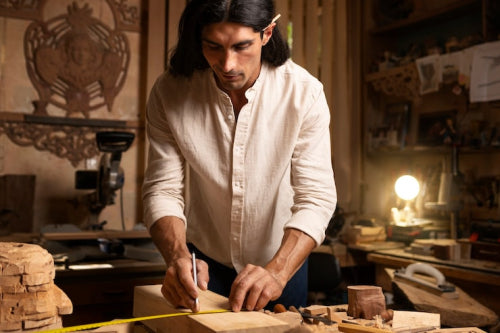
In a sunlit Bangalore studio, a client pauses to trace the intricate grain of a hand-carved teak console, its craftsmanship whispering stories of artisans who honed their skills over generations. This isn't mere furniture it's a testament to India's enduring craft heritage. From Mumbai's towering penthouses to Jaipur's bustling workshops, interior designers are rejecting mass-produced monotony in favor of artisan-crafted wood furniture. Fueled by a demand for authenticity, sustainability, and cultural resonance, this shift is transforming India's design landscape with remarkable momentum.
Mass-market furniture lacks heart, filling rooms with bland, short-lived pieces. Frequent breakdowns spark frustration, as replacements erode style and sentiment. At MMC Wood Creations, Udaipur artisans shape heirloom furniture with enduring craftsmanship and cozy elegance, creating pieces that echo your identity, ensuring your home radiates warmth and timeless connection. Shop Now!
A Craft-Driven Revolution in Indian Design
The India furniture market, valued at USD 23.8 billion in 2024, is poised to soar to USD 44.2 billion by 2033, driven by a steady 6.40% CAGR from 2025 to 2033. This growth stems from rising household incomes, rapid urban expansion, and a burgeoning real estate sector, alongside a surge in demand for customized, eco-friendly furniture. Similarly, the interior design market, worth USD 34 billion in 2024, is projected to reach USD 71 billion by 2033, with an 8.50% CAGR, propelled by evolving lifestyles and a preference for personalized, aesthetic spaces. North India leads both markets, commanding over 33.2% of the furniture sector and dominating interior design in 2024, while residential use accounts for 70.6% of furniture demand.
Yet, beneath these figures lies a profound cultural shift. Designers in Bangalore, Mumbai, Jaipur, Chennai, Kolkata, Hyderabad, Pune, and Ahmedabad are embracing handcrafted furniture made from teak, sheesham, and acacia, prioritizing pieces that embody regional craftsmanship over factory-made uniformity. Clients now seek furniture with soul pieces that bear the subtle imperfections of human hands, crafted with time-honored techniques like mortise-tenon joinery, designed to endure for decades.
Regional Craftsmanship Reshaping Interiors
In Bangalore, India's tech capital, design studios report a 20–25% spike in demand for handcrafted teak furniture and sheesham pieces, per Karnataka handicrafts data. Luxury apartments in Whitefield and Indiranagar now showcase artisan benches and sideboards, blending contemporary aesthetics with sustainable materials. This “craft-forward” movement reflects a broader consumer desire for furniture that tells a unique story, far removed from assembly-line production.
Mumbai's affluent neighborhoods, from South Mumbai to Bandra, are no strangers to bespoke elegance. Designers here collaborate with artisans from Rajasthan and Gujarat, sourcing single-origin wooden consoles and cane-detailed cabinets through craft clusters supported by the Maharashtra Khadi & Village Industries Board. Jaipur, a hub of heritage woodcraft, supplies intricately carved teak and acacia pieces to studios nationwide, with the Rajasthan State Handloom & Handicrafts Development Corporation fostering partnerships that bridge traditional skills with modern design sensibilities.
Chennai's design ethos, while understated, carries significant weight. The city is witnessing a revival of Chettinad-inspired woodcraft, characterized by minimalist, solid-wood frames that emphasize heritage over ostentation. Tamil Nadu's woodcraft MSMEs report a 15–18% rise in custom orders since 2023, catering to homeowners who value cultural authenticity. In Kolkata, designers draw on Bengal's artistic traditions, incorporating hand-painted and carved woodwork from Shantiniketan's craft hubs into boutique hotels and heritage residences, creating furniture that doubles as art.
Hyderabad's gated enclaves, such as Gachibowli and Jubilee Hills, are fueling demand for premium handcrafted dining sets and hybrid solid-wood pieces. Telangana's artisan woodcraft data highlights a surge in orders, with developers integrating these pieces into pre-furnished villas to signal luxury. Pune, with its embrace of “slow living,” sees designers in Kothrud and Koregaon Park sourcing responsibly crafted acacia tables from local artisans, aligning with the city's eco-conscious ethos. Ahmedabad, leveraging its proximity to Sankheda and Vishwakarma woodcraft clusters, is experiencing a boom in lacquered, handcrafted furniture, with MSME reports noting increased artisan employment driven by consistent design studio demand.
Tangible Impact in Real-World Projects
In Bangalore's upscale Koramangala, a design firm recently transformed a luxury apartment with handcrafted sheesham wardrobes and cane-front dressers sourced from Karnataka artisans. Clients praised the distinctive grain patterns and robust construction, a far cry from the disposable MDF options flooding the market. In Mumbai, a Colaba boutique hotel elevated its suites with Jaipur-carved teak headboards and Ahmedabad-crafted coffee tables, their hand-sanded finishes and airtight joints promising enduring quality.
Pune's sustainability narrative shines through a local café chain that furnished its outlets with acacia worktables crafted by nearby artisans, weaving eco-conscious design into its brand identity. In Hyderabad, a premium villa developer partnered with artisans to supply custom accent seating and console units, distinguishing its properties in a competitive market. These projects underscore a broader truth: artisan-crafted furniture is not a fleeting trend but a movement grounded in quality, culture, and environmental stewardship.
Forces Fueling the Artisan Shift
Several dynamics are driving this transformation. First, affluent clients in Bangalore, Mumbai, Hyderabad, and Chennai crave individuality, rejecting mass-market furniture for pieces that reflect their personal and cultural identities. Second, sustainability is a non-negotiable priority. Initiatives in Karnataka, Tamil Nadu, and Gujarat promote responsibly sourced timber, aligning with global demand for eco-friendly products, as noted in the growing preference for eco-friendly home decor. Third, quality remains paramount. Designers favor hardwood joinery dovetail, mortise-tenon, and hand-lathed detailing for its superior durability compared to fragile factory-made units. Finally, there's a heightened commitment to supporting regional craft ecosystems, with designers amplifying artisan communities in line with state policies aimed at preserving cultural heritage.
Challenges persist, however. Handcrafted furniture requires longer lead times, often 4–12 weeks for intricate pieces from Jaipur or Ahmedabad. Higher upfront costs can deter mid-market projects, and logistics transporting delicate carved wood across humid, uneven routes demand meticulous care. Additionally, while premium clients embrace artisanship, mass-market buyers remain drawn to affordable, mass-produced furniture available on e-commerce platforms, which continue to dominate accessibility.
A Lasting Legacy for Indian Craftsmanship
As India's urban centers thrum with ambition and prosperity, their interiors are weaving a narrative of craftsmanship, sustainability, and cultural pride. The pivot from mass-produced to artisan-crafted furniture is more than a design preference it's a stand against disposability, a tribute to the artisans who etch history into every piece of wood. From Bangalore's innovation-driven studios to Jaipur's time-honored workshops, this movement is redefining Indian living, one meticulously crafted piece at a time. For manufacturers, retailers, and designers, the mandate is unmistakable: invest in artisan skills, prioritize quality, and elevate India's craft legacy. In an era of transient trends, this is a transformation built to endure, promising a future where authenticity and heritage reign supreme.
Frequently Asked Questions
Why are Indian interior designers choosing artisan-crafted furniture over mass-produced options?
Indian interior designers are increasingly opting for artisan-crafted furniture because clients now demand authenticity, sustainability, and pieces with cultural resonance. Handcrafted furniture made from teak, sheesham, and acacia offers unique grain patterns, superior durability through traditional joinery techniques, and tells a story that mass-produced furniture cannot replicate. This shift also reflects a commitment to supporting regional craft ecosystems and preserving India's heritage while meeting the growing preference for eco-friendly, personalized design solutions.
Which Indian cities are leading the demand for handcrafted wooden furniture?
Bangalore leads with a 20-25% spike in demand for handcrafted teak and sheesham furniture, particularly in luxury apartments in Whitefield and Indiranagar. Mumbai's affluent neighborhoods like South Mumbai and Bandra are sourcing bespoke pieces from Rajasthan and Gujarat artisans, while Jaipur serves as a major supply hub for intricately carved furniture. Other cities driving this trend include Chennai with its Chettinad-inspired woodcraft revival, Hyderabad's premium gated communities, Pune's eco-conscious design scene, and Ahmedabad's booming lacquered furniture market.
What are the main challenges of using artisan-crafted furniture in interior design projects?
The primary challenges include longer lead times of 4-12 weeks for intricate handcrafted pieces, higher upfront costs that can be prohibitive for mid-market projects, and complex logistics involved in transporting delicate carved wood across India's diverse terrain. Additionally, while premium clients readily embrace artisanship, mass-market buyers still gravitate toward affordable, readily available mass-produced furniture on e-commerce platforms, limiting the broader adoption of handcrafted pieces despite their superior quality and cultural value.
Disclaimer: The above helpful resources content contains personal opinions and experiences. The information provided is for general knowledge and does not constitute professional advice.
You may also be interested in: Timeless Furniture in the Age of Ephemeral Trends
Mass-market furniture lacks heart, filling rooms with bland, short-lived pieces. Frequent breakdowns spark frustration, as replacements erode style and sentiment. At MMC Wood Creations, Udaipur artisans shape heirloom furniture with enduring craftsmanship and cozy elegance, creating pieces that echo your identity, ensuring your home radiates warmth and timeless connection. Shop Now!
Powered by flareAI.co