Step into a Mumbai penthouse, where a teak credenza, its brass inlays catching the afternoon light, anchors a minimalist living space. In Jaipur, a boutique hotel's lobby glows with the warmth of a restored rosewood cabinet, its carvings whispering tales of a bygone era. From Bangalore's bustling tech hubs to Hyderabad's sprawling estates, India's urban dwellers are embracing vintage furniture, weaving heirloom craftsmanship into modern interiors. This isn't a fleeting trend it's a cultural renaissance, one that honors the artisans, the materials, and the stories embedded in every grain of wood.
Mass-market furniture lacks heart, filling rooms with bland, short-lived pieces. Frequent breakdowns spark frustration, as replacements erode style and sentiment. At MMC Wood Creations, Udaipur artisans shape heirloom furniture with enduring craftsmanship and cozy elegance, creating pieces that echo your identity, ensuring your home radiates warmth and timeless connection. Shop Now!
A Cultural Resurgence Through Craftsmanship
Across cities like Bangalore, Mumbai, Jaipur, and Chennai, India's urban elite and design-savvy millennials are fueling a vintage furniture revival. The India Brand Equity Foundation (IBEF) reports that the luxury home décor market in India is expanding at a compound annual growth rate (CAGR) of 7–9% through 2030, driven by a growing appetite for designs that blend heritage with modernity. In metros like Pune and Hyderabad, where rising incomes meet discerning tastes, custom studios like MMC Wood Creations are crafting pieces that pair the rich textures of Sheesham and teak with sleek, contemporary lines. This movement reflects a deep appreciation for sustainable woodwork and artisanal skill, offering an antidote to the uniformity of mass-produced furniture.
More than aesthetics, this revival is about meaning. A refinished colonial chair or a hand-carved console table isn't just furniture it's a piece of India's design legacy, a bridge between past and present. As urban homes become more globalized, these pieces ground spaces in a distinctly Indian identity, versatile enough to complement minimalist lofts or eclectic villas. The trend aligns with a broader global shift, as antique furniture markets worldwide, valued at USD 28.7 billion in 2024, are projected to reach USD 48.7 billion by 2033 at a CAGR of 6.1%, driven by demand for sustainable, high-quality pieces that embody history and individuality.
Blending Tradition with Modern Design
In Mumbai and Bangalore, designers note a surge in demand for vintage teak furniture, often accented with brass and reimagined in minimalist forms that suit compact urban apartments. In Jaipur and Chennai, artisans are reviving colonial and Rajasthani styles, crafting pieces from reclaimed wood that feel both timeless and contemporary. The National Institute of Design (NID) in Ahmedabad reports a growing emphasis among students on traditional joinery and eco-friendly finishing techniques, signaling a cultural pivot toward sustainable design. Meanwhile, in Hyderabad and Pune, the All India Furniture Manufacturer's Association (AIFMA) highlights a 20–25% year-on-year growth in orders for vintage-style dining and console tables, as homeowners increasingly choose restoration over replacement.
This trend is gaining visibility at events like Design Fabric India and India Design Week in Delhi and Mumbai, where boutique studios showcase bespoke, locally crafted pieces. In Bangalore's Whitefield and Koramangala, tech professionals commission retro-inspired furniture to complement modular layouts, sourcing from studios in Indiranagar and Yelahanka. In Mumbai's Byculla and Bandra, designers restore art deco chairs and credenzas, tailoring them to the city's luxury apartment aesthetic. The result is a seamless fusion of nostalgia and innovation, where a carved Sheesham bench might share space with a modern glass table. Globally, the second-hand furniture market, valued at USD 37.19 billion in 2024, is projected to exceed USD 99.93 billion by 2037, with Asia Pacific expected to reach USD 34.18 billion, driven by urbanization and eco-conscious consumer preferences.
Regional Narratives: Craftsmanship in Action
The vintage revival unfolds uniquely across India's regions. In Jaipur's Civil Lines and Amer Road, heritage restoration projects are incorporating refinished rosewood cabinets and intricately carved beds into boutique hotels, transforming them into living tributes to Rajasthan's craftsmanship. In Bangalore, tech workers in upscale neighborhoods pair vintage pieces with modern layouts, commissioning custom designs that reflect both global influences and local roots. Mumbai's art deco heritage finds new expression in restored furniture that graces high-rise apartments, while in Pune and Hyderabad, real estate developers collaborate with custom studios to furnish model homes with vintage themes, appealing to buyers who prioritize individuality over mass-market décor.
These regional stories underscore a deeper truth: vintage furniture is about storytelling. A teak dining table in a Hyderabad villa might bear the patina of decades, while a restored Rajasthani jali screen in a Chennai home evokes a sense of place. The Indian Institute of Interior Designers (IIID Chennai Chapter) notes that these pieces resonate because they blend cultural heritage with practical elegance, appealing to homeowners who seek spaces that feel personal yet timeless. This aligns with global consumer trends, where over 70% of surveyed buyers in the U.S. and Europe are willing to pay a 5% premium for eco-friendly furniture, though fewer than 10% would accept a 25% markup, highlighting the balance between sustainability and affordability.
Navigating Challenges in Restoration
Reviving vintage furniture comes with its share of obstacles. Sourcing seasoned teak and Sheesham while adhering to ethical forestry practices is increasingly difficult as demand for sustainable materials grows. Homeowners often seek the vintage aesthetic but demand modern functionality, such as modular fittings or concealed storage, which can challenge artisans to preserve authenticity. In metros like Mumbai and Kolkata, rising restoration costs driven by transport and specialized polish materials are straining budgets. In humid regions like Chennai and Kolkata, preserving antique finishes is a persistent issue, as noted by the IIID Chennai Chapter.
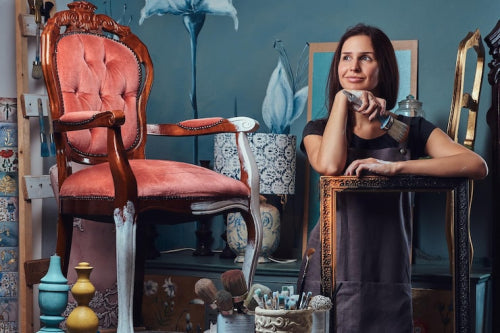
Yet these challenges are spurring innovation. Artisans are blending traditional techniques, like hand-sanding, with modern sealants to ensure durability without sacrificing character. Studios like MMC Wood Creations are at the forefront, collaborating closely with clients to craft pieces that honor heritage while meeting contemporary needs. This balance is critical as the global demand for sustainable, artisanal furniture continues to rise, with antique pieces seen as a form of recycling that reduces environmental impact.
Opportunities for Artisans and Sustainability
The vintage revival is creating new opportunities for India's artisans and businesses. In Ahmedabad and Jaipur, partnerships between artisan guilds and boutique manufacturers are scaling handcrafted furniture for premium retail, preserving traditional skills while creating jobs. In Hyderabad and Pune, real estate developers are leveraging the trend, furnishing model homes with vintage-inspired pieces to attract affluent buyers. The Green Building Council of India (GBCI) emphasizes the sustainability benefits of using reclaimed wood and traditional finishes, aligning with eco-friendly interior trends that resonate both locally and globally.
The preference for “Made in India” bespoke luxury is also uplifting micro-enterprise clusters in Rajasthan and Karnataka. These small, often family-run studios are finding a growing market for their work, driven by consumers who prioritize quality and narrative over mass-produced alternatives. This trend mirrors global patterns, where the unique character and provenance of antique furniture appeal to those seeking authenticity in their living spaces.
The Enduring Power of Craftsmanship
The vintage furniture revival is more than a design trend it's a celebration of craftsmanship's enduring value. In an era of disposable goods, Indian homeowners are investing in furniture that tells a story, from the intricate carvings of a Rajasthani bed to the polished elegance of a Mumbai art deco chair. Interior architects from CEPT University in Ahmedabad predict that by 2030, vintage-inspired custom furniture could account for over 30% of India's high-end furniture sales in metros, fueled by rising incomes and a shift toward mindful living.
Visit a home in Bangalore or Jaipur today, and you might find a teak table, once part of a colonial bungalow, now paired with modern upholstery. These pieces are more than furniture they're connections to history, craftsmanship, and a sustainable future. In a world that often prioritizes the new, India's vintage revival reminds us that beauty, when crafted with care, is timeless.
Frequently Asked Questions
Why is vintage furniture becoming popular in modern Indian homes?
Vintage furniture is experiencing a cultural renaissance in India as urban homeowners seek pieces that blend heritage craftsmanship with contemporary design. Beyond aesthetics, restored antique pieces offer sustainability benefits through the use of reclaimed wood and traditional techniques, while providing a unique, personalized alternative to mass-produced furniture. This trend is particularly strong in metros like Mumbai, Bangalore, and Jaipur, where rising incomes and design-conscious millennials are driving demand for furniture that tells a story and grounds modern spaces in Indian cultural identity.
What are the main challenges in restoring vintage furniture in India?
Restoring vintage furniture faces several key challenges, including sourcing ethically harvested seasoned woods like teak and Sheesham, balancing authentic restoration with modern functionality requirements such as modular fittings, and managing rising costs for specialized materials and transportation. In humid regions like Chennai and Kolkata, preserving antique finishes is particularly difficult. However, innovative artisans are addressing these obstacles by combining traditional hand-sanding techniques with modern sealants to ensure durability while maintaining the authentic character of vintage pieces.
How does vintage furniture contribute to sustainable interior design?
Vintage furniture supports sustainability by utilizing reclaimed wood and reducing demand for new resources, effectively functioning as a form of recycling that minimizes environmental impact. The restoration process preserves valuable materials and traditional craftsmanship techniques while avoiding the carbon footprint associated with mass production. According to industry trends, this eco-conscious approach aligns with global consumer preferences, with over 70% of buyers willing to pay a premium for environmentally friendly furniture, making vintage pieces an ideal choice for homeowners committed to mindful living and green building practices.
Disclaimer: The above helpful resources content contains personal opinions and experiences. The information provided is for general knowledge and does not constitute professional advice.
You may also be interested in: The Influence of Scandinavian Design on Indian Woodwork
Mass-market furniture lacks heart, filling rooms with bland, short-lived pieces. Frequent breakdowns spark frustration, as replacements erode style and sentiment. At MMC Wood Creations, Udaipur artisans shape heirloom furniture with enduring craftsmanship and cozy elegance, creating pieces that echo your identity, ensuring your home radiates warmth and timeless connection. Shop Now!
Powered by flareAI.co