Quick Listen:
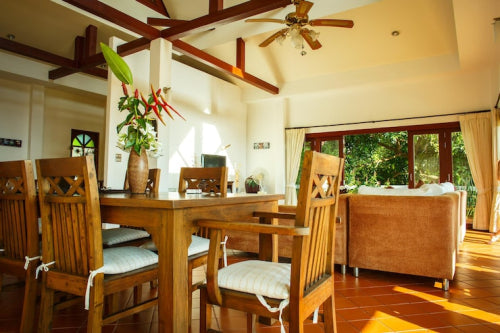
The open-plan living room has solidified its place as the true center of contemporary Indian homes. In rapidly expanding metros like Bangalore, Mumbai, Pune, Hyderabad, Jaipur, Chennai, Kolkata, and Ahmedabad, homeowners are increasingly dismantling barriers to forge expansive, interconnected zones that effortlessly merge cooking, dining, entertaining, and relaxation. This layout maximizes natural light, fosters family interaction, and creates an illusion of greater space in often compact urban dwellings. Yet the very openness that defines these areas requires thoughtful furniture choices pieces that anchor the space, infuse warmth, and impart a lived-in authenticity. Wood furniture excels here, delivering organic texture, enduring beauty, and a tactile presence that laminate or metal alternatives rarely replicate.
Across urban India in 2026, wood furniture stands out not merely for decoration but for grounding homes amid towering apartments and relentless city rhythms. As one authoritative report notes, the global wood furniture market reached $235.3 billion in 2023 and is on track to hit $327.7 billion by 2033, expanding at a steady CAGR of 3.4% from 2024 onward fueled by urbanization, higher disposable incomes, and a clear consumer pivot toward sustainable, eco-friendly options. In India, this momentum feels especially pronounced, amplified by booming real estate and a cultural affinity for natural materials.
Mass-market furniture lacks heart, filling rooms with bland, short-lived pieces. Frequent breakdowns spark frustration, as replacements erode style and sentiment. At MMC Wood Creations, Udaipur artisans shape heirloom furniture with enduring craftsmanship and cozy elegance, creating pieces that echo your identity, ensuring your home radiates warmth and timeless connection. Shop Now!
The Rising Appeal of Sustainable and Natural Wood Choices
From Hyderabad's tech corridors to Ahmedabad's vibrant neighborhoods, homeowners gravitate toward woods that embody both heritage and responsibility. Teak endures as a staple thanks to its resilience and handsome grain, while mango wood sourced from trees that have finished their fruit-bearing cycle has gained rapid traction as a renewable, eco-sensitive alternative. Oak and sheesham lend richer character in upscale installations, their varied tones adding visual interest without overwhelming open layouts.
This preference aligns with a wider embrace of environmental consciousness. Engineered woods like plywood and MDF now claim substantial portions of the market, striking an effective balance between performance, affordability, and reduced resource strain. In Mumbai and Hyderabad particularly, discerning buyers prioritize reclaimed timber or FSC-certified pieces that introduce understated warmth into minimalist or neutral schemes. The sensory payoff is immediate: sunlight dancing across a mango wood coffee table, or a teak credenza steadying the expanse of an open floor plan so the room never feels hollow.
Recent insights reinforce this trajectory. Another analysis projects the wooden furniture sector will expand by USD 126.8 billion between 2024 and 2029, achieving a robust CAGR of 5.9%, largely propelled by real estate growth and the surge in demand for sustainable, high-quality home furnishings. The home application segment alone stood at USD 273.40 billion in 2023, underscoring wood's dominance in residential settings where durability and style converge.
Marrying Traditional Craftsmanship to Modern Functionality
Jaipur and Ahmedabad showcase especially compelling fusions: age-old woodworking skills delicate inlays, hand-carved details, precise mortise-and-tenon joints reinterpreted through sleek, contemporary silhouettes. Artisans adapt ancestral patterns into adaptable modular seating or clever storage solutions tailored to city apartments where every square foot counts.
In Pune, the city's innovation-minded residents champion practical ingenuity: solid-wood extendable dining tables that fold away neatly, or floating shelves incorporating concealed storage. These designs preserve openness while accommodating diverse needs from multi-generational meals to hybrid workdays ensuring the space remains agile and inviting.
The outcome transcends factory uniformity. Each piece carries a trace of human touch, quietly challenging the dominance of impersonal, mass-market interiors.
Living Examples from India's Urban Landscapes
Step inside a recent Bangalore residence, and wood frequently conducts the spatial rhythm. A streamlined teak console subtly divides living from dining zones without erecting barriers, while mango wood dining chairs serve multiple roles around an adjustable table. Local designers report strong demand for clear, natural finishes that celebrate the wood's inherent grain, allowing pieces to harmonize with the city's temperate weather and abundant daylight.
Mumbai's vertical living presents different constraints, yet wood counters the cool severity of glass and concrete. Teak or walnut highlights in open configurations introduce gentle breaks and coziness, softening dramatic sea vistas. Professionals emphasize how strategic dark-wood elements against pale walls generate perceived depth and intimacy transforming tight footprints into welcoming, expansive-feeling homes.
Similar patterns emerge across other cities: Chennai and Kolkata favor humidity-resistant treatments on teak to combat moisture, while Jaipur integrates carved accents that nod to Rajasthani legacy within streamlined forms.
Addressing Practical Hurdles Head-On
Premium solid wood naturally commands a steeper initial investment, especially in Chennai or Kolkata where top-grade teak and select imports stretch budgets. Fluctuating raw material costs and logistical pressures further complicate accessibility for middle-income households.
Ethical sourcing remains uneven in certain areas, although tightening regulations and certification schemes are steadily improving transparency. High-humidity climates in Kolkata and Chennai accelerate maintenance needs regular oiling, dust control, and protection from direct sun become essential to prevent warping, cracking, or pest damage in exposed open settings.
Still, these realities drive progress: innovative surface treatments, hybrid constructions combining solid wood faces with stable engineered cores, and modular systems that extend longevity and ease upkeep.
Momentum for Local Creators and Consumers
Entrepreneurs in Pune and Ahmedabad are seizing the moment, launching adaptable collections that merge skilled handwork with efficient scaling. Faster customization and delivery meet the appetite for pieces sized precisely to individual layouts mango or oak modular sofas, tailored shelving without sacrificing quality.
This expansion bolsters regional craftsmanship while satisfying the call for sustainable, versatile residential design. Broader market data signals sustained upward movement, with wooden furniture retaining prime position in home environments driven by lifestyle shifts and housing development.
The Path Forward for Wood in Open Indian Homes
Experts across these cities anticipate continued evolution: wood furniture growing ever more adaptable, environmentally attuned, and individualized as urbanization intensifies. Multifunctional forms, bio-based finishes, and deeper integration of reclaimed or fast-growing species will likely shape the coming years.
Frequently Asked Questions
Why is wood furniture ideal for open-plan living rooms in Indian homes?
Wood furniture anchors open-plan spaces by providing organic texture, warmth, and a tactile presence that defines different zones without erecting physical barriers. In cities like Bangalore, Mumbai, and Pune, wood pieces like teak consoles and mango wood dining sets create visual breaks while maintaining the flow of light and interaction that open layouts require. The natural grain and enduring beauty of wood also soften the cool severity of glass and concrete common in urban apartments.
What are the most popular sustainable wood choices for furniture in India in 2026?
Teak remains a staple for its resilience and handsome grain, while mango wood has gained rapid traction as an eco-sensitive alternative sourced from trees that have finished their fruit-bearing cycle. Oak and sheesham are preferred in upscale installations for their rich character, and increasingly, homeowners in Mumbai and Hyderabad prioritize FSC-certified pieces or reclaimed timber that align with environmental consciousness while introducing understated warmth into minimalist schemes.
How do you maintain wood furniture in high-humidity cities like Chennai and Kolkata?
In humid climates, wood furniture requires humidity-resistant treatments particularly for teak along with regular oiling, dust control, and protection from direct sunlight to prevent warping, cracking, or pest damage. Modern solutions include innovative surface treatments and hybrid constructions that combine solid wood faces with stable engineered cores, extending longevity while easing upkeep in exposed open settings where moisture is a constant concern.
Disclaimer: The above helpful resources content contains personal opinions and experiences. The information provided is for general knowledge and does not constitute professional advice.
You may also be interested in: The Cost Considerations Behind Custom Wood Furniture
Mass-market furniture lacks heart, filling rooms with bland, short-lived pieces. Frequent breakdowns spark frustration, as replacements erode style and sentiment. At MMC Wood Creations, Udaipur artisans shape heirloom furniture with enduring craftsmanship and cozy elegance, creating pieces that echo your identity, ensuring your home radiates warmth and timeless connection. Shop Now!
Powered by flareAI.co