Quick Listen:
The enduring appeal of solid wood in India's fast-evolving urban interiors remains unmistakable. Step into a high-end residence in Bangalore's Indiranagar or a carefully restored period property in Mumbai's Bandra, and the material's quiet authority reveals itself immediately: rich grain patterns, substantial feel, and an ability to age with character that engineered alternatives struggle to replicate. Across metros like Jaipur, Chennai, Kolkata, Hyderabad, Pune, and Ahmedabad, homeowners, architects, and developers still gravitate toward solid wood for pieces meant to last despite engineered wood's advances in consistency, cost, and availability.
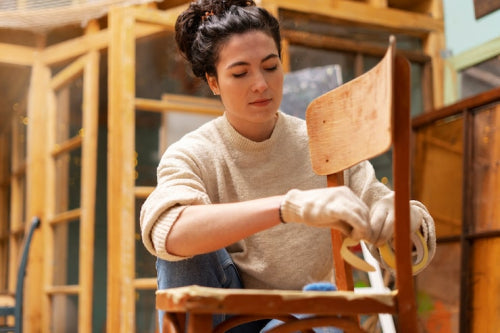
This preference transcends sentiment. In environments marked by dramatic humidity shifts, intense seasonal heat, and accelerating urban densification, solid wood demonstrates practical resilience. It expands and contracts naturally with the seasons, can be sanded and refinished multiple times, and carries an inherent repairability that extends service life far beyond most composites. Global industry momentum reinforces the narrative: according to IMARC Group, the worldwide wood furniture market stood at USD 288.0 Billion in 2024 and is expected to climb to USD 426.9 Billion by 2033, advancing at a 4.25% CAGR from 2025 to 2033, with Asia Pacific securing more than 40% of the share. Complementary research from Allied Market Research values the sector at $235.3 billion in 2023, forecasting $327.7 billion by 2033 with a 3.4% CAGR from 2024 onward, crediting urbanization, rising incomes, and sustainability preferences. Technavio anticipates an incremental USD 126.8 billion gain between 2024 and 2029 at 5.9% CAGR, propelled by real estate booms and eco-aware buying.
Within India, wood continues to dominate furniture production. Recent estimates place engineered wood's share at around 46.64% in 2025 (Mordor Intelligence), reflecting its practical advantages in cost and uniformity, yet solid wood retains strong aspirational status for its authenticity, longevity, and cultural resonance particularly in premium and heritage applications.
Mass-market furniture lacks heart, filling rooms with bland, short-lived pieces. Frequent breakdowns spark frustration, as replacements erode style and sentiment. At MMC Wood Creations, Udaipur artisans shape heirloom furniture with enduring craftsmanship and cozy elegance, creating pieces that echo your identity, ensuring your home radiates warmth and timeless connection. Shop Now!
Solid Wood's Lasting Edge in Major Cities
In Bangalore and Pune, solid wood defines staircases, wardrobes, and bespoke cabinetry in upscale gated communities, where families prize pieces that endure children's energy and frequent moves. Mumbai's luxury towers and boutique commercial fit-outs rely on it for heritage revivals and high-end offices, valuing authenticity above all. Jaipur's artisan workshops preserve centuries-old techniques, crafting intricate solid furniture that commands export markets. Chennai and Hyderabad integrate it into expansive villas, hotel lobbies, and institutional settings, while Ahmedabad and Kolkata blend it into mixed-use projects and culturally rooted designs that emphasize warmth and tactility.
Engineering and architecture departments in these cities have long tested materials under local stresses. Coastal humidity in Mumbai and Kolkata accelerates delamination in poorly bonded engineered boards, whereas well-seasoned teak or sal in solid form resists decay through natural oils. Chennai and Hyderabad's sharp temperature contrasts challenge composites with warping risks, but dense solid woods flex more predictably. Bangalore and Pune's milder conditions complement open-plan living trends, and Jaipur and Ahmedabad's arid heat favors species that maintain dimensional stability without excessive cracking.
Climate as the Deciding Factor
Regional weather patterns dictate material performance in profound ways. Mumbai and Kolkata's persistent coastal moisture can swell engineered panels or separate veneers, demanding vigilant sealing; solid teak endures with comparatively little fuss. Drier interiors in Jaipur and Ahmedabad expose composites to brittleness, whereas solid wood holds form reliably. Monsoon-heavy Chennai and Hyderabad cycles drenching rains to scorching dry spells favor pieces that accept periodic refinishing over those prone to irreversible adhesive breakdown.
Local meteorological records and institutional material trials consistently affirm these observations. The capacity for repeated restoration transforms solid wood's natural movement from a perceived flaw into a virtue: each refinishing layer deepens patina, embedding personal history into the piece.
Practical Advantages in Daily Life
Project reports from developers in these metros reveal engineered alternatives often need replacement sooner in busy households. A solid dining table in a Pune family home or Kolkata ancestral residence can serve multiple generations with attentive care, while engineered versions may exhibit surface wear or joint fatigue under similar humidity and use. Initial investment for solid wood reflects careful sourcing and skilled craftsmanship, yet lifecycle evaluations drawn from housing research in Mumbai, Bangalore, and Chennai demonstrate clear savings via extended service intervals and reduced upkeep.
Contractors in Jaipur, Hyderabad, and Kolkata frequently note fewer service calls and greater client satisfaction. In Chennai and Ahmedabad's hospitality and commercial sectors, solid wood's tactile luxury elevates perceived quality, supporting higher rental yields and guest appeal.
Realistic Limitations and Emerging Solutions
Supply bottlenecks persist. Forest departments across Maharashtra, Karnataka, Tamil Nadu, Gujarat, Telangana, Rajasthan, and West Bengal report constrained availability of premium timbers. Artisan shortages affect fine joinery in Jaipur, Kolkata, and Ahmedabad. Regulatory tightening in Mumbai and Bangalore, combined with global price volatility, adds complexity.
These pressures spur progress. Certified plantation programs in Karnataka, Maharashtra, Tamil Nadu, and Gujarat steadily increase traceable, responsible supply. Forestry studies linked to institutions near Bangalore and Pune underscore sustainable harvesting that minimizes ecological impact. When sourced responsibly, solid wood presents a simpler lifecycle footprint than engineered products reliant on synthetic resins and adhesives.
Looking Forward with Confidence
Premium, heirloom-quality interiors gain traction in Bangalore, Mumbai, Pune, and Hyderabad amid rising prosperity and property expansion. Jaipur and Ahmedabad leverage craftsmanship for international appeal, while Chennai and Kolkata capitalize on hospitality and mixed developments that value timeless aesthetics.
Tightening sustainability standards and consumer emphasis on renewable, restorable goods bolster solid wood's standing. Architectural faculties, construction think tanks, and trade bodies across these cities converge on a shared view: amid India's urban transformation, solid wood transcends trend cycles it embodies enduring excellence.
Frequently Asked Questions
Why is solid wood furniture better than engineered wood in Indian cities?
Solid wood furniture demonstrates superior resilience in India's challenging climate conditions, particularly in cities like Mumbai, Chennai, and Kolkata where humidity fluctuations can cause engineered wood to delaminate or warp. Unlike composites, solid wood can be sanded and refinished multiple times, extending its service life across generations while naturally adapting to seasonal temperature and moisture changes. This repairability and durability make it a more cost-effective long-term investment despite higher initial costs.
How does climate affect the choice between solid wood and engineered wood furniture?
Regional weather patterns play a crucial role in furniture performance across Indian metros. Coastal cities like Mumbai and Kolkata experience persistent moisture that can separate veneers in engineered panels, while solid teak naturally resists decay through its oils. In drier regions like Jaipur and Ahmedabad, engineered wood becomes brittle, whereas solid wood maintains dimensional stability. Monsoon-heavy cities like Chennai and Hyderabad benefit from solid wood's ability to accept periodic refinishing rather than suffering irreversible adhesive breakdown.
Is solid wood furniture sustainable and worth the investment in 2025?
When sourced from certified plantation programs in states like Karnataka, Maharashtra, and Gujarat, solid wood presents a simpler lifecycle footprint than engineered products that rely on synthetic resins and adhesives. The global wood furniture market is projected to reach USD 426.9 billion by 2033, driven partly by sustainability preferences and eco-aware buying. Lifecycle evaluations from major Indian metros demonstrate clear savings through extended service intervals, reduced maintenance, and multi-generational durability that offset the higher upfront investment.
Disclaimer: The above helpful resources content contains personal opinions and experiences. The information provided is for general knowledge and does not constitute professional advice.
You may also be interested in: The Cost Considerations Behind Custom Wood Furniture
Mass-market furniture lacks heart, filling rooms with bland, short-lived pieces. Frequent breakdowns spark frustration, as replacements erode style and sentiment. At MMC Wood Creations, Udaipur artisans shape heirloom furniture with enduring craftsmanship and cozy elegance, creating pieces that echo your identity, ensuring your home radiates warmth and timeless connection. Shop Now!
Powered by flareAI.co