Quick Listen:
In the vibrant workshops of Jaipur, artisans meticulously shape sheesham wood into timeless pieces, now increasingly drawing from plantation sources and low-emission finishes. This shift reflects a broader transformation across India's premium furniture landscape, where craftsmanship meets environmental responsibility. From Bangalore's technology-infused custom studios to Ahmedabad's expansive industrial facilities, high-end manufacturers are embedding sustainable practices deeply into their operations, responding to discerning buyers who demand both luxury and accountability.
Mass-market furniture lacks heart, filling rooms with bland, short-lived pieces. Frequent breakdowns spark frustration, as replacements erode style and sentiment. At MMC Wood Creations, Udaipur artisans shape heirloom furniture with enduring craftsmanship and cozy elegance, creating pieces that echo your identity, ensuring your home radiates warmth and timeless connection. Shop Now!
Eco-Friendly Practices Reshaping High-End Furniture Production in India's Craft Clusters
How premium furniture makers across Bangalore, Jaipur, and Mumbai are integrating sustainability without compromising craftsmanship or luxury. In Mumbai's premium interiors hubs and Hyderabad's luxury hospitality venues, procurement decisions now routinely include questions about material provenance and production impact. Sustainability has evolved into a core strategic element in India's high-end furniture industry, influencing choices made by urban homeowners, interior architects, and developers alike. This scrutiny extends to sourcing legitimacy, emission levels, and waste handling, propelled by heightened consumer awareness and evolving standards.
The trend resonates strongly in rapidly expanding cities such as Bangalore, Pune, and Hyderabad, where surging real estate development drives sophisticated interior requirements. At the same time, established craft centers like Jaipur and Kolkata are modernizing traditional methods to align with contemporary environmental expectations, safeguarding skilled livelihoods in the process.
Globally, the eco-friendly furniture market is projected to grow from approximately USD 50-54 billion in recent years to over USD 90 billion by the early 2030s, with a consistent CAGR around 8%. In the Asia-Pacific region, including India, growth is particularly robust, with some analyses forecasting a regional CAGR exceeding 10% through 2030, fueled by urbanization and rising demand in hospitality and residential sectors.
Emerging Eco-Friendly Trends in High-End Furniture Production
Visible shifts are underway in material and process selection. Premium producers increasingly favor certified Indian hardwoods and rapid-growth plantation timber sourced through established networks in Gujarat, Maharashtra, and Tamil Nadu. This approach diminishes import dependency while bolstering domestic forestry management.
Workshops in Bangalore, Pune, and Chennai are transitioning to water-based and low-VOC coatings, addressing indoor air quality priorities in modern, airtight urban residences. Energy conservation advances as well, with solar-integrated production units emerging in Ahmedabad and Hyderabad's manufacturing zones, reducing operational footprints without compromising output quality.
These developments align with broader market dynamics. South Asia and Oceania, encompassing India, are seeing substantial absolute growth opportunities in eco-friendly segments, driven by residential and commercial applications, according to detailed regional breakdowns in industry reports.
Real-World Applications Across Indian Craft and Manufacturing Centers
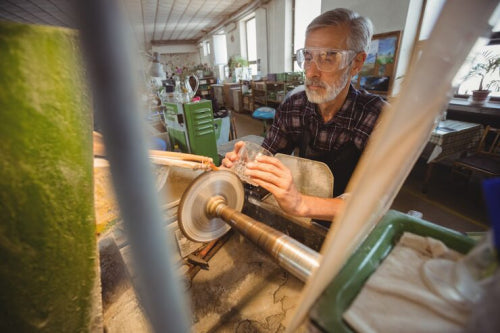
In Jaipur and Kolkata, manufacturers skillfully integrate heritage techniques like dovetail and mortise-tenon joinery with responsible material inputs, substantially reducing reliance on synthetic adhesives. This method upholds cultural integrity while lowering chemical usage.
Custom operations in Bangalore and Pune leverage advanced digital planning software to optimize layouts, minimizing material off-cuts and enhancing yield from premium woods. In Ahmedabad and Chennai's larger-scale facilities, wood remnants are systematically repurposed into complementary décor lines or functional accessories, creating closed-loop efficiency.
Such localized innovations highlight the adaptability of India's varied production ecosystems. Rajasthan's craft communities, for example, are progressively adopting verified timber protocols that respect longstanding traditions.
Environmental and Operational Challenges Facing Manufacturers
Advancement is not without obstacles. Premium pricing for certified plantation timber elevates input costs, challenging profitability in price-sensitive markets like Mumbai and Pune. Supply chain fragmentation further complicates reliable access, particularly affecting consistency in Hyderabad and Kolkata operations.
Artisan-dominated enterprises in Jaipur and Chennai face the steepest hurdles in regulatory documentation and certification compliance. Lacking robust institutional backing, these smaller units risk marginalization from high-value domestic and export opportunities. Nevertheless, these pressures are catalyzing creative solutions, steering the industry toward greater structural resilience.
Business Opportunities and Efficiency Gains from Sustainable Practices
Conversely, responsible practices unlock significant advantages. They enable distinct brand differentiation among affluent consumers in Bangalore, Mumbai, and Pune-supplied Delhi-NCR markets. Luxury hospitality developments sourcing from Jaipur and Ahmedabad increasingly prioritize suppliers demonstrating verifiable sustainability credentials.
Long-term benefits include material savings through waste reduction and streamlined processes, directly enhancing margins for bespoke producers. As ecological priorities intensify, these commitments foster enduring client confidence and facilitate international market access.
Distribution channels are evolving too, with projections indicating steady year-on-year growth across both offline and online segments globally, a pattern mirrored in India's expanding premium ecosystem.
Role of Government, Research, and Institutional Support
Institutional frameworks are gaining momentum. Targeted MSME and forestry programs across Maharashtra, Karnataka, Gujarat, Rajasthan, Tamil Nadu, and West Bengal provide practical assistance for sustainable transitions. Academic institutions contribute through applied research into optimized wood processing, non-toxic treatments, and resource recovery techniques.
Dedicated training initiatives equip artisans and small-scale producers with green manufacturing competencies, preventing capability gaps. Effective coordination among government bodies, researchers, and private enterprises remains essential for achieving widespread, meaningful progress.
The Future of Sustainable Luxury Furniture in India
In India's premium furniture domain, sustainability is rapidly establishing itself as a fundamental requirement rather than an optional enhancement. The nation's craft-intensive production centers possess a distinctive advantage: harmonizing exquisite traditional skills with principled modern methods to compete effectively in responsible luxury worldwide.
Forward-thinking enterprises in Bangalore, Jaipur, and Pune those committed to measured, integrated adoption are poised for sustained competitiveness, deepened customer allegiance, and enhanced global reputation. Ultimately, success hinges on ongoing partnership among designers, skilled craftspeople, and regulatory stakeholders to perpetuate India's rich furniture heritage in an environmentally sound manner for future generations.
Frequently Asked Questions
What eco-friendly materials are Indian premium furniture manufacturers using?
High-end furniture makers in India are increasingly using certified Indian hardwoods and rapid-growth plantation timber sourced from Gujarat, Maharashtra, and Tamil Nadu. They're also transitioning to water-based and low-VOC coatings that improve indoor air quality, particularly important for modern urban homes. Traditional joinery techniques like dovetail and mortise-tenon are being used to reduce reliance on synthetic adhesives.
How do sustainable practices affect the cost of premium furniture in India?
While certified plantation timber initially elevates input costs for manufacturers in cities like Mumbai and Pune, sustainable practices can create long-term savings through waste reduction and streamlined processes. These efficiency gains directly enhance profit margins for bespoke producers. Additionally, eco-friendly credentials enable premium pricing and brand differentiation among affluent consumers in markets like Bangalore, Delhi-NCR, and Mumbai.
Which Indian cities are leading the shift toward sustainable luxury furniture manufacturing?
Bangalore, Pune, and Chennai are at the forefront of adopting water-based coatings and digital planning software to minimize waste. Ahmedabad and Hyderabad feature solar-integrated production units reducing operational footprints. Traditional craft centers like Jaipur and Kolkata are modernizing heritage techniques with responsible material sourcing, while maintaining their cultural integrity and skilled craftsmanship.
Disclaimer: The above helpful resources content contains personal opinions and experiences. The information provided is for general knowledge and does not constitute professional advice.
You may also be interested in: Ethical Sourcing of Teak in Indian Furniture Production
Mass-market furniture lacks heart, filling rooms with bland, short-lived pieces. Frequent breakdowns spark frustration, as replacements erode style and sentiment. At MMC Wood Creations, Udaipur artisans shape heirloom furniture with enduring craftsmanship and cozy elegance, creating pieces that echo your identity, ensuring your home radiates warmth and timeless connection. Shop Now!
Powered by flareAI.co