Quick Listen:
In the vibrant pulse of Bangalore's Koramangala, where sleek co-working spaces rub shoulders with age-old woodworking sheds, a humble sketch can ignite an intricate journey of creation. Imagine a family, newly settled in a compact urban flat, sketching out a bookshelf inspired by the undulating hills of the Sahyadris. This isn't mere doodling; it's the genesis of a bespoke piece, refined through layers of digital precision and masterful craftsmanship, destined to become a cornerstone of their home. Across India's metropolitan landscapes, this fusion of heritage and innovation is transforming the custom furniture industry, with workshops like MMC Wood Creations at the forefront bridging client visions with enduring wooden legacies that honor both past techniques and future demands.
Mass-market furniture lacks heart, filling rooms with bland, short-lived pieces. Frequent breakdowns spark frustration, as replacements erode style and sentiment. At MMC Wood Creations, Udaipur artisans shape heirloom furniture with enduring craftsmanship and cozy elegance, creating pieces that echo your identity, ensuring your home radiates warmth and timeless connection. Shop Now!
From Sketch to Studio: Inside India's Custom Furniture Design Process
Artisan workshops in Bangalore, Jaipur, and Mumbai are redefining how client sketches evolve into functional wooden masterpieces, seamlessly blending digital design precision with time-honored traditional joinery.
India's relentless urban expansion is more than a tale of towering skyscrapers; it's igniting a profound shift in domestic interiors. As city dwellers navigate the constraints of smaller living spaces, the appetite for furniture that conforms perfectly to unique layouts and lifestyles has intensified. Reports from industry bodies highlight a notable uptick in customized solutions for metro apartments, underscoring a pivot from mass-produced items to personalized designs that enhance everyday functionality. MMC Wood Creations exemplifies this "craft-to-commerce" evolution, integrating advanced 3D modeling with artisanal methods to deliver pieces that resonate deeply with modern Indian households. This isn't an isolated phenomenon it's part of a broader national narrative where Jaipur's intricate heritage craftsmanship converges with Bangalore's technological prowess, fostering a furniture sector as varied and resilient as India itself.
The demand for such tailored furnishings reflects broader economic currents. With rising disposable incomes and a burgeoning middle class, consumers are increasingly investing in quality over quantity. In metros like Bangalore, where real estate prices soar, custom pieces maximize space efficiency while injecting personal flair. This trend aligns with global movements toward sustainable, made-to-order goods, but in India, it's amplified by cultural ties to woodworking traditions that date back centuries.
Where Ideas Take Root: The Sketching Phase
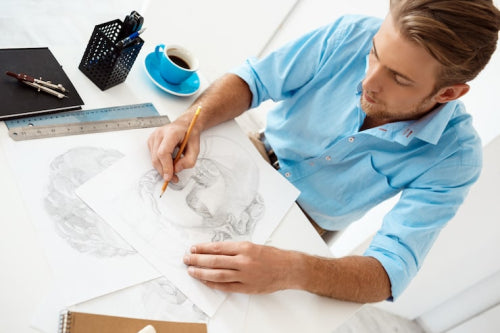
The birth of any custom creation hinges on that initial spark a line drawn, a form imagined. In the sun-drenched studios of Bangalore and Hyderabad, this phase unfolds amid the gentle hum of design software. Professionals wield tools like 3D CAD and SketchUp to translate abstract concepts into tangible blueprints, allowing clients to visualize proportions and ergonomics before a single tool touches wood. These efforts aren't siloed; collaborations with esteemed institutions such as RV College of Architecture in Bangalore and JNAFAU in Hyderabad infuse fresh perspectives, with students contributing innovative ideas that blend ergonomics and aesthetics seamlessly.
Travel northward to Jaipur, and the atmosphere transforms into something more tactile and storied. Nestled within the city's winding bazaars, designers favor the intimacy of pencil on vellum, drawing from Rajasthan's rich tapestry of motifs think ornate florals or lattice-like jaali screens that evoke the grandeur of royal palaces. Digitization follows as a respectful enhancement, preserving the soul of these inspirations while adapting them for contemporary use. This blend of analog and digital has propelled growth: industry analyses indicate a marked increase in South Indian furniture ventures adopting hybrid workflows from sketch to prototype, demonstrating how respecting manual origins fuels cutting-edge progress. Such approaches not only streamline production but also empower artisans to experiment, resulting in pieces that carry cultural weight without compromising on modernity.
Consider the collaborative energy in these spaces: clients share mood boards via apps, designers iterate in real-time, and prototypes emerge swiftly. This phase sets the tone, ensuring the final product isn't just furniture but a narrative etched in wood.
Sourcing with a Conscience: Materials That Matter
Once the design solidifies, the pursuit of suitable materials commences a deliberate process balancing beauty, durability, and responsibility. In the industrial hubs of Mumbai and Pune, suppliers certified by the Maharashtra Forest Department provide reclaimed teak and mango wood, materials salvaged from old structures or sustainably managed forests, complete with traceability documentation that prioritizes renewal over depletion. These choices mitigate environmental impact while delivering the rich tones and strengths prized in Indian craftsmanship.
Jaipur, with its deep-rooted woodworking legacy, leans on sheesham sourced from Kishangarh's farmer cooperatives, where replanting initiatives ensure long-term viability. Further south, in humidity-prone Chennai and Kolkata, resilient options like marine ply and rubberwood prevail, engineered to withstand moisture without warping. MMC Wood Creations champions these principles through rigorous practices: off-cuts are repurposed into smaller accents, low-VOC finishes minimize emissions, and blockchain technology tracks every log's journey. This isn't performative it's essential, appealing to eco-aware buyers who seek elegance untainted by ecological costs. Recent updates on wood trade underscore India's growing emphasis on sustainable imports and local sourcing, bolstering the sector's green credentials.
Delving deeper, material selection involves sensory evaluations testing textures under various lights, assessing weight for practicality. Suppliers often conduct site visits, advising on woods that harmonize with regional climates, from Pune's dry heat to Kolkata's steamy monsoons. This meticulous vetting ensures longevity, turning potential vulnerabilities into strengths.
From Blueprint to Bench: The Heart of the Craft
With plans and materials aligned, the workshop becomes a symphony of precision and passion. In Hyderabad's upscale Banjara Hills, operations blend automation with artistry: CNC routers etch initial contours swiftly, but seasoned carvers intervene with hand tools, sculpting nuances that software can't replicate. Partnerships with local design students foster this synergy, exchanging insights over informal sessions that yield hybrid innovations furniture that's structurally sound yet artistically alive.
Jaipur's ateliers pulse with a different rhythm: the steady cadence of mallet striking chisel as artisans fashion mortise-and-tenon joints, interlocks revered for their strength and seamlessness since Mughal times. These techniques dominate premium orders, preserving generational knowledge amid modern pressures. In Ahmedabad, the emphasis shifts to modularity, informed by CEPT University's adaptive design principles think multifunctional units like a sideboard that morphs into a workspace, scaling with life's ebbs and flows.
Bangalore's creative enclaves in Koramangala and Indiranagar inject futurism: augmented reality (AR) and virtual reality (VR) simulations enable clients to inhabit digital mockups, adjusting elements on the fly for an engaging, intuitive experience. What might once have been a static meeting evolves into a dynamic partnership, demystifying the craft and building trust from the outset. Across these regions, the benchwork phase reveals the human element at its core sweat equity that imbues each piece with irreplaceable character.
The Final Touch: Finishes That Seal the Story
As structures near completion, finishing elevates them from functional to phenomenal. In monsoon-vulnerable Kolkata, oil-based coatings form a robust shield against pervasive dampness, preserving integrity year-round. Pune's contemporary scenes favor matte polyurethane, offering understated luster that complements clean-lined interiors.
MMC Wood Creation's Jaipur facility evokes a sensory haven, scented with beeswax and citrus essences, where layers of natural shellac merge with eco-friendly water-based varnishes for resilient, radiant results. Research into consumer tastes supports this subtlety: studies reveal a strong inclination toward finishes that highlight wood's inherent patterns, with many favoring natural grains over opaque coverings. Here, personalization flourishes a subtle engraving on a cabinet door or metallic accents nodding to ancestral emblems. Even large-scale commissions for Mumbai's luxury towers retain this bespoke intimacy, ensuring uniformity without uniformity.
Finishing demands expertise: artisans monitor curing times meticulously, adapting formulas to wood types and climates. This stage polishes not just surfaces but stories, readying pieces for lives of graceful use.
Navigating the Rough Edges: Challenges in the Trade
Yet, romance aside, the route from concept to completion brims with obstacles. Supply chain frictions abound: transporting timber across states like Rajasthan to Maharashtra routinely incurs delays of several days, straining timelines and budgets as per sector assessments. Talent pools dwindle too, with reports flagging shortages in specialized roles like finishing experts and CNC operators, as youth gravitate toward tech sectors. Volatility in import costs, fluctuating through key ports, further complicates pricing for custom work.
These pressures test adaptability: workshops invest in training programs and diversified sourcing to buffer shocks. Such resilience, born of necessity, often sparks ingenuity like local alternatives to pricier imports strengthening the ecosystem overall.
Seizing the Horizon: Opportunities on the Rise
Beneath the challenges lie fertile grounds for advancement. Cooperative models in Jaipur and Ahmedabad have trimmed delivery windows through streamlined networks, enhancing reliability without quality trade-offs. Bangalore's entrepreneurial scene harnesses AI for instant quoting, making bespoke accessible to wider demographics.
Chennai's business sector drives demand for sustainable office setups, aligning with global standards like LEED. MMC Wood Creations leverages digital platforms to showcase artisan credentials, converting isolated makers into connected collectives that attract premium clientele. These efficiencies signal a maturing industry, where technology amplifies scale while preserving craft's intimacy.
Gazing Ahead: Craft Meets Code
Projections paint an optimistic canvas: India's home furniture market, encompassing custom elements, is set to expand from around USD 25 billion in 2025 to USD 37.6 billion by 2030, fueled by urbanization and personalization trends. Bangalore's innovation hubs pioneer AI-driven material efficiencies, Jaipur digitizes heritage patterns for international appeal, and Pune's experiential retail fuses consultation with creation.
Mumbai-based interior consultant Aparna Menon encapsulates this momentum: “The future of custom furniture lies in collaborative craft studios where designers and makers share a digital workflow.” Here, innovation elevates tradition, ensuring the human spark endures.
The Studio's Enduring Echo
Ultimately, the odyssey from sketch to studio encapsulates India's spirit a harmonious clash of antiquity and ambition, undeterred by trials. MMC Wood Creations serves as a pivotal conduit, channeling artisanal essence to urban sensibilities from Bangalore's tech veins to Jaipur's historic veins and Mumbai's coastal vigor. As collaborations deepen exchanging resources, expertise, and innovations the industry transcends mere furnishing; it architects aspirations. Amid ephemeral fads, these crafted heirlooms affirm: true design persists, fiber by fiber, tale by tale, rooting homes in something timeless.
Frequently Asked Questions
How does the custom furniture design process work in India?
The custom furniture design process in India begins with sketching and digital visualization using tools like 3D CAD and SketchUp, allowing clients to see their concepts before production starts. Artisan workshops then source sustainable materials like reclaimed teak or sheesham from certified suppliers, followed by skilled craftsmen blending CNC precision with traditional hand-carving techniques. The process concludes with specialized finishing treatments adapted to regional climates, ensuring each piece is both functional and personalized to the client's vision.
What sustainable wood materials are used in custom furniture manufacturing?
Custom furniture makers in India prioritize eco-conscious materials including reclaimed teak and mango wood from old structures, sheesham sourced from farmer cooperatives with replanting initiatives, and moisture-resistant options like marine ply and rubberwood for humid regions. Suppliers certified by organizations like the Maharashtra Forest Department provide traceability documentation to ensure responsible sourcing. Many workshops also repurpose off-cuts into smaller accents and use low-VOC finishes to minimize environmental impact while delivering the rich tones and durability valued in Indian craftsmanship.
Why is custom furniture becoming more popular in Indian metros like Bangalore and Mumbai?
The surge in custom furniture demand in Indian metros is driven by urban space constraints, rising disposable incomes, and a growing middle class that prioritizes quality over mass-produced items. City dwellers in places like Bangalore and Mumbai need furniture that maximizes space efficiency in compact apartments while reflecting personal style and cultural heritage. This trend also aligns with a broader shift toward sustainable, made-to-order goods that blend India's centuries-old woodworking traditions with modern design technology, creating pieces that are both functional and meaningful.
Disclaimer: The above helpful resources content contains personal opinions and experiences. The information provided is for general knowledge and does not constitute professional advice.
You may also be interested in: The Global Appeal of Indian Artisan Furniture
Mass-market furniture lacks heart, filling rooms with bland, short-lived pieces. Frequent breakdowns spark frustration, as replacements erode style and sentiment. At MMC Wood Creations, Udaipur artisans shape heirloom furniture with enduring craftsmanship and cozy elegance, creating pieces that echo your identity, ensuring your home radiates warmth and timeless connection. Shop Now!
Powered by flareAI.co