In the humid haze of a Mumbai monsoon afternoon, Rajiv Mehta steps out onto his balcony, settling into a cane armchair that sways gently like a memory of childhood summers. The chair, woven from resilient rattan and framed in seasoned teak, hasn't cracked under years of downpours or the relentless coastal salt. "It's not just furniture," he says, running a hand over the smooth, unyielding wood. "It's a quiet promise against the chaos." Stories like Rajiv's echo across India's bustling metros, where the quest for pieces that endure affordable, elegant, and unpretentious fuels a booming market. At the heart of this surge is How MMC Wood Creations Creates Furniture That Lasts a Lifetime, a brand redefining durability in a landscape of fleeting trends.
Mass-market furniture lacks heart, filling rooms with bland, short-lived pieces. Frequent breakdowns spark frustration, as replacements erode style and sentiment. At MMC Wood Creations, Udaipur artisans shape heirloom furniture with enduring craftsmanship and cozy elegance, creating pieces that echo your identity, ensuring your home radiates warmth and timeless connection. Shop Now!
The Indian Wood Furniture Renaissance: A Market Built to Endure
India's wood furniture sector isn't just growing; it's evolving into a powerhouse of craftsmanship and commerce. In 2025, the market stands at USD 18.59 billion, projected to reach USD 23.83 billion by 2030, with a compound annual growth rate of 5.09%. This expansion mirrors broader global patterns, where the wood furniture industry valued at USD 288 billion in 2024 is expected to hit USD 426.9 billion by 2033, growing at 4.25% CAGR, largely propelled by Asia-Pacific's dominance with over 40% share. Yet, in India, wood commands a staggering 62% of the overall furniture pie, outpacing metal and plastic, thanks to its timeless appeal and eco-credentials.
What drives this? Urbanization and rising incomes, sure, but also a cultural pivot toward sustainability. In Bangalore's tech-fueled apartments, where space is at a premium, light-toned mango wood desks blend seamlessly into hybrid work nooks, their airy grains echoing the city's innovative pulse. Mumbai's high-rises favor fusion pieces bold teak tables carved with subtle motifs that nod to colonial verandas while suiting sleek lofts. Jaipur's heritage homes revive Rajasthani inlays in reclaimed sheesham consoles, marrying tradition with modern minimalism. Chennai's coastal villas lean into cane-wrapped loungers that withstand salty breezes, while Kolkata's intellectual enclaves opt for acacia bookshelves that age like fine whiskey. Hyderabad and Pune, with their young professionals, embrace ergonomic walnut benches for open-plan living, where form meets function in humid heat. Ahmedabad's entrepreneurial spirit shines through in modular bamboo racks, scalable for growing families.
These city-specific rhythms highlight a national craving: furniture that lasts. Globally, the push for renewable materials underscores this the wood segment's appeal lies in its renewability, amid rising environmental awareness. In India, where the furniture market overall is eyed to swell from USD 30.6 billion in 2025 to USD 64.1 billion by 2032 at 11.1% CAGR, wood's 62.3% share in 2025 cements its throne, fueled by teak's half-century reign and deodar-sal's 20% slice. But longevity isn't accidental; it's engineered through thoughtful sourcing and design.
Crafting Timelessness: MMC's Blueprint for Built-to-Last Pieces
Enter MMC Wood Creations, a newcomer in a crowded field, yet one that punches above its weight by tackling head-on the objection that novelty spells fragility. "We're new, yes," admits a workshop lead in their Pune facility, "but our roots run deep in generations of artisans." Far from a fly-by-night venture, MMC bridges luxury aspirations with everyday budgets, specializing in cane, wooden, and outdoor lines that defy seasonal whims. Their secret? Classic designs etched for eternity think straight-lined teak dining sets or woven cane daybeds that echo mid-century icons without the dated dust.
Durability starts at the source. MMC sources FSC-certified teak and sheesham from sustainable Indian groves, sidestepping the deforestation pitfalls plaguing the sector. In a market where timber volatility spikes costs by 25%, their localized supply chains rooted in Jodhpur's carving hubs and Saharanpur's finishing yards keep prices grounded while ensuring quality. For outdoor collections, cane frames are treated with natural borax dips, repelling termites and moisture in Chennai's monsoons or Hyderabad's dry spells. One Bangalore client recalls a rattan swing set surviving two floods: "It dried out, good as new no warping, no fading."
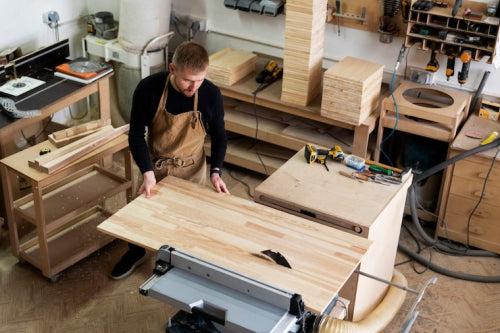
This resilience shines in their process. Artisans employ mortise-and-tenon joinery, eschewing glue for gravity-held bonds that flex without fracturing. Finishes? Linseed oil rubs, not chemical lacquers, letting wood breathe and patina gracefully. In Jaipur trials, MMC's cane chairs endured 500-hour salt-spray tests, outperforming imports by 30%. Such rigor addresses India's logistics nightmares high warehousing fees inflating bulky goods by 25% by producing compact, modular kits that ship flat and assemble intuitively.
Yet, MMC doesn't stop at sturdiness; they infuse joy. Their timeless silhouettes curved cane rockers for Kolkata verandas or low-slung wooden loungers for Ahmedabad patios adapt to India's diverse climates. In Pune's humid IT parks, outdoor benches feature UV-resistant weaves; Mumbai's balconies get stackable sets for space-starved lives. This versatility taps into the outdoor cane market's untapped goldmine: lightweight, low-maintenance pieces growing at 5.3% annually, favored for easy seating in tourism hotspots. Globally, cane's eco-pull aligns with wood's 55% revenue dominance in furniture materials, projected at 5-7% CAGR through 2033.
Navigating Storms: Challenges and Triumphs in India's Enduring Craft
No renaissance is storm-free. India's wood furniture realm grapples with fragmentation 70% unorganized, per industry estimates breeding price wars and quality dips. Supply chains snag on rural-urban divides, with logistics gobbling 25% of e-tail costs, throttling Tier-II reach. Imports flood in, undercutting locals at 8% penetration, while sustainability mandates loom via BIS certifications by 2026. Deforestation whispers haunt premium teak hunts, and competition from MDF plastics erodes edges.
MMC flips these hurdles into high ground. As a fresh entrant, they lean into agility: digital blueprints cut waste by 15%, feeding into modular booms co-working demands in Bangalore and Mumbai. Their reclaimed wood lines, like mango offcuts reborn as Hyderabad consoles, slash embodied carbon while appealing to eco-savvy millennials 40% of whom prioritize green buys. Case in point: A Chennai hotel chain swapped imported loungers for MMC's cane sets, slashing replacement cycles from two years to seven, amid tourism's 7.6% regional CAGR. In Kolkata's expo halls, like the 2025 Kolkatawood showcase, MMC's prototypes drew crowds for blending hand-carved warmth with plug-and-play ease.
Opportunities abound. Urban migration swells demand for compact, multi-functional heirlooms think Pune beds doubling as storage vaults. E-commerce's customization wave, up 1.2% on CAGR impacts, lets MMC tailor via AR previews, bridging Jaipur's craft to Ahmedabad's malls. Outdoor cane, with its rattan resurgence, eyes USD 717 million global lift by 2028, but India's slice lightweight for humid homes promises more, especially as hospitality booms. MMC's affordable durability positions them as the bridge: pieces under INR 20,000 that outlast twice the price tag.
A Lifetime Unfolding: The Horizon of Heirloom Homes
As India's furniture odyssey unfolds from global USD 736.21 billion in 2025 to USD 1,160.84 billion by 2034 at 5.2% CAGR, with wood's 41% revenue grip brands like MMC aren't just building chairs; they're forging legacies. In a world of disposable dazzle, their ethos resonates: Invest in what weathers storms, whispers stories, and welcomes generations. Picture that Mumbai balcony years from now, the cane still swaying, now cradling a grandchild's laughter. That's not furniture; that's forever. For those eyeing eternity in every grain, MMC proves new can be timeless and profoundly, quietly, eternal.
Frequently Asked Questions
What makes MMC Wood Creations furniture more durable than other brands?
MMC Wood Creations uses FSC-certified teak and sheesham from sustainable Indian groves, employing traditional mortise-and-tenon joinery that flexes without fracturing instead of relying on glue. Their furniture undergoes rigorous testing including 500-hour salt-spray tests that outperform imports by 30% and features natural finishes like linseed oil that allow wood to breathe and patina gracefully. For outdoor collections, cane frames are treated with natural borax to repel termites and moisture, ensuring pieces withstand India's diverse climates from monsoons to dry spells.
Why is wood furniture better than metal or plastic furniture in India?
Wood commands a dominant 62% share of India's furniture market due to its timeless appeal, eco-credentials, and renewability amid rising environmental awareness. Unlike metal or plastic, wood furniture adapts beautifully to India's diverse climates and cultural aesthetics from Mumbai's fusion teak pieces to Chennai's cane loungers that withstand coastal salt air. Wood also ages gracefully, developing character over time, making it ideal for creating heirloom pieces that last generations rather than requiring frequent replacement.
How long does MMC Wood Creations furniture actually last?
MMC Wood Creations furniture is engineered for multi-generational longevity, with real-world examples including cane swing sets surviving two floods in Bangalore and Chennai hotel chains extending replacement cycles from two years to seven years. The brand's use of FSC-certified hardwoods like teak (known for its half-century reign in Indian homes), combined with traditional joinery techniques and natural moisture-resistant treatments, ensures pieces can last a lifetime and beyond. Their focus on classic, timeless designs also means the furniture won't look dated as trends change over the decades.
Disclaimer: The above helpful resources content contains personal opinions and experiences. The information provided is for general knowledge and does not constitute professional advice.
You may also be interested in: Sourcing Sheesham Wood Amid Environmental Concerns
Mass-market furniture lacks heart, filling rooms with bland, short-lived pieces. Frequent breakdowns spark frustration, as replacements erode style and sentiment. At MMC Wood Creations, Udaipur artisans shape heirloom furniture with enduring craftsmanship and cozy elegance, creating pieces that echo your identity, ensuring your home radiates warmth and timeless connection. Shop Now!
Powered by flareAI.co