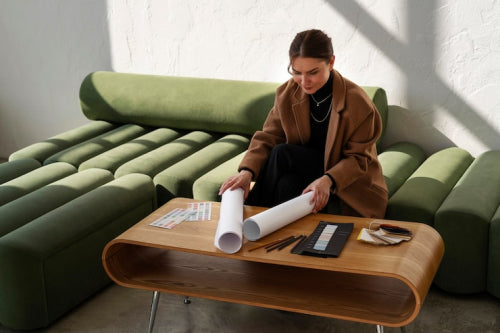
In the compact apartments of Mumbai and the expansive residences of Bangalore, a transformative shift is taking place in how people furnish their homes. Discerning homeowners, architects, and interior designers are moving away from transient, mass-produced items toward pieces that embody lasting craftsmanship. At the heart of this evolution lies an appreciation for the fine details in custom furniture design precise material selection, robust joinery, thoughtful proportions, and protective finishes that elevate everyday objects into enduring heirlooms. In India's rapidly urbanizing cities, this demand reflects a desire for furniture that harmonizes aspirational elegance with the demands of daily use.
Mass-market furniture lacks heart, filling rooms with bland, short-lived pieces. Frequent breakdowns spark frustration, as replacements erode style and sentiment. At MMC Wood Creations, Udaipur artisans shape heirloom furniture with enduring craftsmanship and cozy elegance, creating pieces that echo your identity, ensuring your home radiates warmth and timeless connection. Shop Now!
The Growing Importance of Detail-Driven Craftsmanship in India's Custom Furniture Market
Consider a teak dining table in a Chennai high-rise, engineered to resist the relentless coastal humidity without warping or cracking. Or a precisely proportioned bookshelf in Pune, where every shelf aligns perfectly to accommodate a growing collection. These examples illustrate the hallmarks of a burgeoning market, where India's custom furniture sector is experiencing robust expansion amid rising affluence and a preference for personalization in key urban centers such as Jaipur, Kolkata, Hyderabad, Ahmedabad, Mumbai, and Bangalore.
Reliable industry data underscores this momentum. The global furniture market stands at approximately USD 736.21 billion in 2025, with projections to reach USD 1,160.84 billion by 2034, advancing at a compound annual growth rate (CAGR) of 5.2%. The Asia-Pacific region commands over 36% of the market share, while wood remains the dominant material, accounting for more than 41% of revenue, and residential applications drive over 61% of demand.
Within this landscape, the custom furniture segment is accelerating faster, valued at USD 35.45 billion in 2025 and anticipated to grow to USD 65.67 billion by 2032 at a CAGR of 9.2%.] Here, wood holds a projected 39.5% share, sofas and couches 33.9%, and residential use around 51%. Another perspective estimates the overall furniture market at USD 768.78 billion in 2025, heading toward USD 953.14 billion by 2030 with a 4.39% CAGR, influenced by urbanization, sustainability requirements, and digital channels.
For specialists in solid wood and cane furniture, these figures signal opportunity. Buyers in space-constrained urban settings increasingly favor durable, timeless pieces over disposable alternatives, seeking that balance of attainable luxury and functional reliability where a sturdy chair not only supports but endures through years of family gatherings.
Beyond Surface Aesthetics: The Core Elements of Well-Designed Solid Wood Furniture
True quality emerges in the subtleties that often go unnoticed at first glance. Material choice is foundational: in India's varied climates, hardwoods such as teak, sheesham, or mango are selected for their inherent strength and adaptability teak excelling in Mumbai's humid conditions, while denser woods suit drier regions like Bangalore.
Joinery forms the structural integrity. Traditional techniques like mortise-and-tenon, secured with wooden dowels, create resilient connections that outperform metal fasteners or adhesives alone. Artisans in Jaipur may dedicate hours to these handcrafted joints, ensuring a table or bed frame in Ahmedabad withstands decades of use.
Ergonomic proportions demand exactitude; even minor adjustments in seat height or armrest angle can transform comfort during extended meals or work sessions. Finishes provide the protective layer natural oils and waxes applied by hand that penetrate the grain, safeguarding against Chennai's moisture while highlighting the wood's innate beauty.
These principles align with broader shifts toward sustainability, as global trends favor recycled materials and circular designs, supporting steady growth at a 4.39% CAGR through 2030. In India, this translates to greater reliance on responsibly sourced local timbers, minimizing environmental impact.
Regional Craft Influences Shaping Modern Custom Furniture
India's custom furniture narrative draws richly from diverse regional traditions. In Jaipur and Ahmedabad, historic woodworking motifs intricate jali screens or inlaid patterns are adapted into contemporary forms, merging heritage with modern minimalism for sophisticated urban interiors.
Bangalore and Pune prioritize streamlined functionality: modular units and space-efficient designs that suit tech-driven lifestyles and smaller footprints. Mumbai and Chennai call for resilient solutions advanced finishes on cane elements to combat humidity, compact configurations for high-density living.
In Kolkata and Hyderabad, blends of colonial influences with current needs yield versatile pieces, such as carved consoles that serve multiple roles. These localized approaches are propelled by urban migration and expanding middle-class purchasing power, extending demand beyond traditional hubs while Asia-Pacific solidifies its leading position.
How Fine Design Details Translate Into Everyday Living Value
These meticulous details manifest in practical longevity. A custom dining table for a Hyderabad joint-family home might incorporate expansion-friendly panels to accommodate wood movement, ensuring stability amid seasonal changes and heavy use.
Cane-integrated seating on a Pune balcony offers breathability and resilience, ideal for relaxed evenings. Outdoor collections teak loungers with precisely spaced slats for drainage thrive on Mumbai rooftops, combining cane's lightness with solid frames for seamless flow between indoors and out.
Such versatility resonates in high-search categories like wood, cane, and outdoor furniture, where personalization optimizes limited spaces. The custom segment's strong trajectory potentially reaching USD 115 billion by 2035 at an 11.2% CAGR from 2026 highlights demand for tailored, premium solutions.[4]
Why Craftsmanship-First Furniture Requires Education and Trust
Despite these advantages, emerging brands encounter skepticism. As newcomers, they must address concerns about proven longevity, particularly in markets like Kolkata where family heirlooms set high expectations. Buyers often compare initial costs to mass-market options, overlooking lifecycle savings.
Additionally, maintaining precision requires seasoned artisans, constraining rapid expansion without quality compromises. In a market eyeing USD 953.14 billion by 2030, building trust through transparency becomes essential demonstrating how superior detailing reduces long-term replacements.
Long-Term Value Creation Through Detail-Focused Custom Furniture
The rewards are substantial. Timeless classics resist obsolescence, extending usable life and curbing frequent purchases. Architects in Bangalore might design adaptable systems that evolve with occupants, while customization ensures seamless integration with existing decor.
Visually striking cane weaves, warm wood tones, and weather-resistant outdoor designs excel on social platforms and marketplaces, amplifying reach in sought-after niches. As sustainability gains traction globally, these pieces affirm responsible consumption, delivering compounded benefits in durability and narrative.
A Practical Framework for Assessing Design Quality and Craftsmanship
Evaluating options requires diligence. Insist on clarity regarding sourcing, construction techniques, and material origins. Favor designs rooted in enduring principles over fleeting styles.
Conduct real-world tests: assess comfort under load, check for smooth operation, and consider resilience to local conditions like humidity or dust. This rigorous approach distinguishes authentic craftsmanship, securing investments that enhance daily living for years.
Why Fine Details Will Define the Next Phase of India's Custom Furniture Market
In vibrant design ecosystems from Jaipur to Chennai, meticulous attention to detail is emerging as the defining standard. With wood commanding over 41% of the broader market and residential needs dominating, brands excelling in these areas are poised to thrive.
Future growth promises enhanced personalization, sustainable innovations, and smarter integrations. For professionals shaping spaces in Pune or Kolkata, prioritizing the intricate ensures relevance in an evolving sector. Ultimately, superior furniture transcends utility it perseveres, weaving craftsmanship into the fabric of home life.
Frequently Asked Questions
What are the key details to look for in custom furniture design?
The most important details in custom furniture design include material selection (hardwoods like teak, sheesham, or mango for Indian climates), robust joinery techniques like mortise-and-tenon connections, precise ergonomic proportions for comfort, and protective finishes such as natural oils and waxes. These elements work together to create furniture that withstands India's varied climates while providing lasting durability and aesthetic appeal. Quality craftsmanship in these areas distinguishes heirloom-quality pieces from mass-produced alternatives.
Why is custom wood furniture more expensive than mass-market options?
Custom wood furniture costs more upfront due to superior materials like responsibly sourced teak or sheesham, skilled artisan labor for handcrafted joinery, and time-intensive finishing processes that ensure durability. However, these pieces offer significant long-term value by lasting decades without warping, cracking, or requiring replacement ultimately reducing lifecycle costs. The personalization also ensures perfect integration with your space and local climate conditions, whether in humid coastal cities like Mumbai or drier regions like Bangalore.
How does climate affect custom furniture design in India?
India's diverse climates require careful material and finish selection in custom furniture design. Coastal cities like Mumbai and Chennai demand humidity-resistant woods like teak with advanced protective finishes to prevent warping and cracking, while drier regions like Bangalore and Pune benefit from denser hardwoods with appropriate treatments. Custom furniture makers account for seasonal wood movement, incorporate expansion-friendly designs, and apply climate-appropriate finishes to ensure furniture remains stable and beautiful through years of use in specific regional conditions.
Disclaimer: The above helpful resources content contains personal opinions and experiences. The information provided is for general knowledge and does not constitute professional advice.
You may also be interested in: Blending Comfort with Elegance in Custom Bed Frames
Mass-market furniture lacks heart, filling rooms with bland, short-lived pieces. Frequent breakdowns spark frustration, as replacements erode style and sentiment. At MMC Wood Creations, Udaipur artisans shape heirloom furniture with enduring craftsmanship and cozy elegance, creating pieces that echo your identity, ensuring your home radiates warmth and timeless connection. Shop Now!
Powered by flareAI.co