In the cramped balconies of Chennai's towering apartments, where every square foot is a luxury, cane and bamboo furniture is sparking a design revolution. These woven pieces light, sustainable, and effortlessly stylish are turning utilitarian spaces into havens of comfort and elegance. Across India's urban sprawl, from compact city flats to lush suburban patios, cane furniture is surging in popularity, blending tradition with modern sensibilities to meet the demands of a rapidly urbanizing nation.
Mass-market furniture lacks heart, filling rooms with bland, short-lived pieces. Frequent breakdowns spark frustration, as replacements erode style and sentiment. At MMC Wood Creations, Udaipur artisans shape heirloom furniture with enduring craftsmanship and cozy elegance, creating pieces that echo your identity, ensuring your home radiates warmth and timeless connection. Shop Now!
A Thriving Furniture Market
India's furniture industry is experiencing unprecedented growth, with cane and bamboo emerging as standout materials. The Indian furniture market, valued at USD 23.8 billion in 2024, is projected to soar to USD 44.2 billion by 2033, achieving a compound annual growth rate (CAGR) of 6.4% from 2025 to 2033. This expansion is propelled by increasing household incomes, swift urban development, and a burgeoning real estate sector. North India leads the charge, commanding a 33.2% market share in 2024, while residential applications dominate, accounting for 70.6% of the market. The rise in economic prosperity has empowered consumers to invest in stylish, functional home furnishings.
This growth extends to specialized segments. The home furniture market is expected to climb from USD 25.2 billion in 2025 to USD 37.6 billion by 2030, with a robust CAGR of 8.33%. Key drivers include government initiatives like the Production Linked Incentive scheme, which bolsters local manufacturing, and a millennial-driven demand for modular, branded designs. Meanwhile, the outdoor furniture market, where cane and bamboo excel, anticipates a CAGR exceeding 4% through 2030, fueled by the Asia-Pacific region's furniture boom.
Why Cane and Bamboo?
Cane and bamboo furniture, crafted through the time-honored wicker technique, combines durability with aesthetic appeal. Bamboo, a fast-growing evergreen from the Bambusoideae subfamily, is prized for its strength, abundant supply, and rapid maturation reaching harvestable size in mere years compared to decades for hardwoods. This sustainability makes it a favorite among eco-conscious buyers. As highlighted in industry insights, bamboo's versatility allows it to be shaped into everything from sturdy benches to elegant recliners, offering a trendy, modern look that enhances homes, offices, and cafes with a natural yet sophisticated charm.
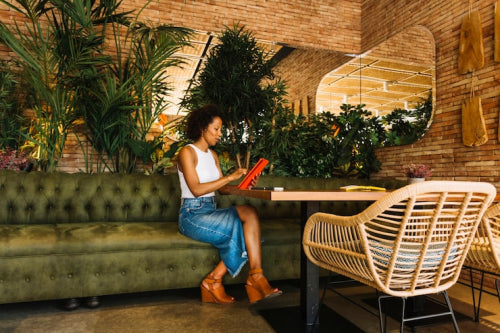
In India's densely packed cities, where apartments are compact and balconies serve as multifunctional spaces, cane furniture's lightweight and space-efficient nature is a game-changer. A woven sofa or a pair of cane chairs can transform a modest terrace into a serene retreat. Restaurants and coworking spaces are also embracing these materials, drawn to their earthy elegance and ability to create inviting, Instagram-worthy settings. From minimalist bookshelves to intricately designed cabinets, cane and bamboo are redefining versatility in Indian interiors.
Urbanization and Evolving Preferences
India's urban transformation is reshaping consumer behavior. The government's decision to permit 51% Foreign Direct Investment in multi-brand retail has opened the door to international brands, introducing global design trends to an aspirational middle class. According to a Persistence Market Research report, the furniture market in India is set to grow from USD 30.6 billion in 2025 to USD 64.1 billion by 2032, with an impressive CAGR of 11.1%. This trajectory reflects a shift toward organized retail and a growing appetite for ready-to-assemble, contemporary designs categories where cane and bamboo thrive.
Millennials and Gen Z, flush with disposable income, are driving this evolution. They prioritize furniture that aligns with their values: sustainability, personalization, and global aesthetics. E-commerce platforms have democratized access, offering customizable cane pieces tailored to fit small apartments or expansive patios. Social media amplifies this trend, with influencers showcasing chic, cane-accented spaces that inspire followers to reimagine their own homes. The result is a cultural shift toward furnishings that are as practical as they are visually striking.
Navigating Challenges
Despite its meteoric rise, the cane furniture industry faces obstacles. The transition from unorganized to organized retail has sidelined traditional artisans, who struggle to compete with mass-producing brands. Quality inconsistencies in large-scale production can also undermine the craftsmanship that defines handwoven pieces. Yet, these challenges are spurring innovation. Companies that prioritize sustainable sourcing and fair-trade practices are gaining traction, appealing to consumers who value ethical production.
The outdoor furniture segment offers particular promise. As urban Indians invest in balconies, terraces, and rooftop gardens, demand for weather-resistant, stylish furnishings is skyrocketing. Cane and bamboo, with their inherent durability, are ideally suited to meet this need. Commercial spaces like cafes and coworking hubs are also leaning into these materials, creating vibrant, eco-friendly environments that resonate with younger demographics.
Balancing Tradition and Innovation
Cane and bamboo furniture is more than a trend it's a testament to India's ability to blend heritage with modernity. Artisans in regions like Assam and Kerala have long mastered the art of wicker weaving, creating pieces that carry cultural weight. Today, these traditional techniques are being reimagined to suit urban lifestyles, with designers experimenting with bold forms and finishes. The result is furniture that feels both timeless and cutting-edge, appealing to a diverse consumer base.
The environmental benefits are equally compelling. Bamboo's rapid growth and minimal resource demands make it a cornerstone of sustainable design. As India grapples with urbanization's environmental toll, cane and bamboo offer a path forward furniture that enhances living spaces without depleting natural resources. Brands that marry this eco-friendly ethos with innovative design are poised to lead the market.
A Lasting Legacy
Picture a Kolkata couple unwinding on a cane loveseat as the evening breeze sweeps through their balcony, or a Mumbai cafe abuzz with patrons gathered around bamboo tables. These scenes capture the essence of cane furniture's appeal: its ability to transform spaces and foster connection. The numbers projected market growth to USD 64.1 billion by 2032, with cane and bamboo at the forefront underscore its economic significance. But it's the human impact that truly resonates.
In a nation racing toward modernity, cane and bamboo furniture grounds us in simplicity and sustainability. It's a reminder that progress need not come at the expense of tradition or the planet. As India's cities expand and its aspirations soar, these woven pieces are weaving a new narrative one where style, practicality, and conscience coexist. In every apartment and outdoor nook, cane furniture is not just furnishing spaces; it's shaping a more thoughtful future.
Frequently Asked Questions
Why is cane and bamboo furniture becoming popular in Indian apartments?
Cane and bamboo furniture is gaining popularity in Indian apartments due to its lightweight, space-efficient design that's ideal for compact urban living spaces. These sustainable materials offer a perfect blend of durability and aesthetic appeal, transforming small balconies and terraces into stylish, functional retreats. Additionally, millennials and Gen Z consumers are drawn to cane furniture's eco-friendly credentials and modern, versatile designs that align with their values of sustainability and global aesthetics.
How big is the Indian furniture market and what role does cane furniture play?
India's furniture market is experiencing remarkable growth, projected to reach USD 64.1 billion by 2032 from USD 30.6 billion in 2025, with an impressive CAGR of 11.1%. Cane and bamboo furniture are at the forefront of this expansion, particularly in the outdoor furniture segment which anticipates over 4% CAGR through 2030. This growth is driven by increasing urbanization, rising household incomes, and government initiatives like the Production Linked Incentive scheme that supports local manufacturing of sustainable furniture options.
What are the environmental benefits of choosing bamboo furniture over traditional wood?
Bamboo furniture offers significant environmental advantages as bamboo is a fast-growing evergreen that reaches harvestable size in mere years, compared to decades required for traditional hardwoods. Its rapid growth and minimal resource demands make it a cornerstone of sustainable design, helping India address urbanization's environmental impact. Bamboo's abundant supply and strength make it an ideal eco-friendly alternative that enhances living spaces without depleting natural resources, appealing to environmentally conscious consumers.
Disclaimer: The above helpful resources content contains personal opinions and experiences. The information provided is for general knowledge and does not constitute professional advice.
You may also be interested in: Sourcing Sheesham Wood Amid Environmental Concerns
Mass-market furniture lacks heart, filling rooms with bland, short-lived pieces. Frequent breakdowns spark frustration, as replacements erode style and sentiment. At MMC Wood Creations, Udaipur artisans shape heirloom furniture with enduring craftsmanship and cozy elegance, creating pieces that echo your identity, ensuring your home radiates warmth and timeless connection. Shop Now!
Powered by flareAI.co