In the vibrant showrooms of Delhi's upscale markets, where polished teak classics stand alongside modular metal designs, a profound shift is redefining India's furniture landscape. As urban centers swell and incomes rise, Indian consumers are moving beyond fleeting trends, embracing furniture that promises enduring style and purpose. Timeless design rooted in elegance, functionality, and sustainability is fast becoming the cornerstone of modern Indian homes, reflecting a nation poised between heritage and innovation.
Mass-market furniture lacks heart, filling rooms with bland, short-lived pieces. Frequent breakdowns spark frustration, as replacements erode style and sentiment. At MMC Wood Creations, Udaipur artisans shape heirloom furniture with enduring craftsmanship and cozy elegance, creating pieces that echo your identity, ensuring your home radiates warmth and timeless connection. Shop Now!
A Booming Market, A Discerning Consumer
India's furniture industry is experiencing unprecedented growth, driven by economic and demographic shifts. The market, valued at USD 23.8 billion in 2024, is forecasted to reach USD 44.2 billion by 2033, with a compound annual growth rate of 6.4%. This expansion stems from rising household incomes, rapid urban development, and a thriving real estate sector. In cities like Mumbai and Bangalore, where high-rise apartments are now the norm, buyers seek furniture that optimizes space while exuding sophistication.
Urbanization is reshaping consumer priorities. With families transitioning from sprawling joint households to compact urban flats, demand for modular and space-saving designs has surged. The market, estimated at USD 30 billion in 2024, thrives in metropolitan hubs and tier-2 cities like Pune and Chandigarh, where stylish yet practical furniture is in high demand. Consumers no longer settle for utility alone they crave pieces that blend personal narrative with lasting appeal.
Crafting Timelessness: Heritage Meets Innovation
Step into a Chennai furniture studio, and the essence of timeless design unfolds: minimalist steel frames adorned with traditional ikat fabrics, or sleek tables paired with intricately carved rosewood chairs. This seamless blend of modernity and tradition defines India's new aesthetic. Buyers are drawn to furniture that echoes cultural roots perhaps a mango wood shelf evoking ancestral homes while fitting the clean lines of contemporary living.
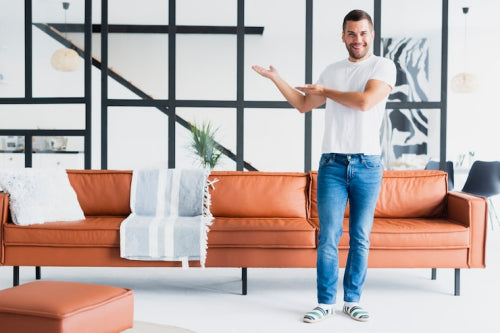
Market trends underscore this preference. While beds dominated revenue in 2022, sofas and couches are now the fastest-growing segment, signaling a shift toward versatile, statement-making pieces. The market, which generated USD 48,993.5 million in 2022, is projected to reach USD 89,465.6 million by 2030, growing at 7.8% annually. Sofas, as anchor pieces, embody timelessness, designed to endure both in style and structure.
Sustainability is equally pivotal. As eco-consciousness rises, consumers favor certified timber, engineered wood, and hybrid materials. The market, expected to grow from USD 29.97 billion in 2025 to USD 43.24 billion by 2030 at a 7.6% growth rate, reflects this shift. In a nation where sheesham and teak hold cultural significance, sustainable materials bridge tradition with forward-thinking design.
Urban Dynamics and the Digital Surge
North India, encompassing urban powerhouses like Gurgaon and Jaipur, accounts for over 33.2% of the market share. Yet, the true catalyst is digital transformation. E-commerce platforms have revolutionized access, enabling buyers in tier-2 cities like Lucknow and Kochi to explore global designs with a swipe. Online retail has fueled demand for customizable, modular furniture, particularly among millennials who prioritize individuality.
Despite the digital boom, the tactile allure of artisanal craftsmanship persists. In Kolkata's Park Street, boutique workshops report growing orders for handcrafted cabinets that marry rustic textures with modern functionality. These pieces, built to last generations, reflect a broader cultural shift toward premium, branded products. As India's middle class expands, so does its demand for furniture that promises both durability and distinction.
The Rise of Organized Retail
The era of chaotic bazaar haggling is fading. Organized retail, bolstered by government policies permitting 51% Foreign Direct Investment in multi-brand retail, is reshaping the industry. The market is projected to climb from USD 30.6 billion in 2025 to USD 64.1 billion by 2032, with an impressive 11.1% growth rate. International brands are entering urban markets, offering ready-to-assemble solutions tailored to fast-paced lifestyles.
This transformation is about more than convenience it's about credibility. Organized retailers provide certifications, warranties, and transparent sourcing, appealing to consumers skeptical of unorganized vendors. In Gurgaon's Galleria Market, showrooms showcase ergonomic desks alongside traditional diwans, catering to buyers who value both innovation and heritage. The residential sector, commanding 70.6% of the market, drives this trend, with homeowners investing in pieces that reflect their evolving identities.
A Legacy in the Making
India's furniture market is more than a commercial juggernaut it's a canvas for cultural and personal expression. Timeless design, with its fusion of heritage and modernity, is not merely a market trend but a reflection of a nation navigating rapid change. From the hand-polished tables of Ahmedabad to the sleek shelves of Hyderabad, Indian consumers are building homes that endure, in both form and meaning. With the market on track to reach USD 89,465.6 million by 2030, the embrace of timelessness reveals a deeper aspiration: in an era of flux, India is choosing furniture that anchors its past while shaping its future.
Frequently Asked Questions
What is driving the growth of India's furniture market in 2024-2025?
India's furniture market is experiencing rapid expansion, valued at USD 23.8 billion in 2024 and projected to reach USD 44.2 billion by 2033. This growth is fueled by rising household incomes, rapid urbanization, a booming real estate sector, and increasing demand for space-saving, modular designs in metropolitan areas. The shift toward organized retail and e-commerce platforms has also made premium, branded furniture more accessible to consumers across tier-1 and tier-2 cities.
Why are Indian consumers choosing timeless furniture designs over trendy pieces?
Indian buyers are increasingly prioritizing furniture that blends enduring style with functionality and sustainability. Timeless designs seamlessly merge cultural heritage such as traditional wood craftsmanship and ikat fabrics with contemporary aesthetics like minimalist frames and clean lines. This preference reflects a desire for pieces that optimize compact urban living spaces while serving as personal expressions of identity, built to last generations rather than following fleeting trends.
How is sustainability influencing furniture choices in India?
Eco-consciousness is reshaping the Indian furniture market, with consumers favoring certified timber, engineered wood, and sustainable hybrid materials. As the market grows from USD 29.97 billion in 2025 to an estimated USD 43.24 billion by 2030, manufacturers are responding by offering environmentally responsible options that honor India's cultural affinity for woods like sheesham and teak. This shift bridges traditional craftsmanship with modern sustainability standards, appealing to buyers who value both heritage and environmental stewardship.
Disclaimer: The above helpful resources content contains personal opinions and experiences. The information provided is for general knowledge and does not constitute professional advice.
You may also be interested in: The Intersection of Heritage and Innovation in Home Dcor
Mass-market furniture lacks heart, filling rooms with bland, short-lived pieces. Frequent breakdowns spark frustration, as replacements erode style and sentiment. At MMC Wood Creations, Udaipur artisans shape heirloom furniture with enduring craftsmanship and cozy elegance, creating pieces that echo your identity, ensuring your home radiates warmth and timeless connection. Shop Now!
Powered by flareAI.co