Quick Listen:
In an era dominated by synthetic materials, gleaming metals, and impersonal mass production, wood stands apart as a material that feels inherently human. Walk into a space furnished with solid wood pieces, and the difference is immediate: a hand-rubbed walnut credenza catches the light differently throughout the day, an oak dining table bears the faint marks of countless family meals, a maple chair invites touch. These are not mere objects; they are extensions of the natural world brought indoors. Wood carries the history of the tree it once was the rings marking years of drought and abundance, the grain revealing the direction of wind and sun. It is this living quality, this refusal to be standardized, that defines what makes wood unique in furniture design. It bridges nature and daily life, offering authenticity in an increasingly artificial environment.
Mass-market furniture lacks heart, filling rooms with bland, short-lived pieces. Frequent breakdowns spark frustration, as replacements erode style and sentiment. At MMC Wood Creations, Udaipur artisans shape heirloom furniture with enduring craftsmanship and cozy elegance, creating pieces that echo your identity, ensuring your home radiates warmth and timeless connection. Shop Now!
The Singular Beauty of Natural Wood Variation
One of wood's most compelling attributes is its inherent individuality. No two boards are exactly alike. Grain patterns twist, curl, and flow in unpredictable ways, shaped by genetics, climate, and growth conditions. A plank of cherry might display delicate flecks of figure, while a piece of quartered white oak reveals striking medullary rays that shimmer like silver ribbons. These characteristics knots, color shifts, ray flecks are not imperfections; they are the fingerprints of the tree. Manufacturers of mass-produced furniture often minimize or eliminate such variation to ensure uniformity, resulting in surfaces that feel predictable and lifeless. Wood, when respected, becomes a quiet work of art.
Contemporary designers have embraced this quality for decades. In clean-lined, minimalist interiors often characterized by neutral palettes, concrete floors, and steel accents a single wooden element can serve as the emotional center of the room. The eye naturally lingers on the interplay of light and shadow across the grain, the subtle shifts in tone, the organic rhythm that softens rigid architecture. Natural oil or wax finishes amplify these features without masking them, allowing the wood to age gracefully and develop deeper character. Far from competing with modern design, wood enhances it, introducing warmth and texture that balance the cool precision of glass and metal.
Durability That Evolves Over Time
Handcrafted solid wood furniture is engineered for longevity in a way that mass-produced alternatives rarely match. Traditional joinery methods mortise-and-tenon, dovetail, and sliding dovetail create mechanical interlocks that grow stronger with use. As wood responds to seasonal changes in humidity, expanding and contracting slightly, these joints accommodate the movement and often tighten rather than loosen. Factory furniture, reliant on glue, staples, and particleboard, tends to fail under repeated stress, with delamination, sagging, and creaking common after a few years. Solid planks, properly kiln-dried and joined from heartwood, resist warping and offer a structural integrity that can endure generations.
This durability is not static; it improves with age. A well-made dining table can be sanded and refinished multiple times, erasing scratches while preserving its core form. Dents and marks accumulate as patina, recording the history of its use birthday celebrations, homework sessions, quiet evenings. Flat-pack furniture, built for low cost and quick assembly, is designed for obsolescence, often requiring replacement within a decade. Thoughtfully crafted solid wood pieces become heirlooms, gaining emotional and aesthetic value that synthetic materials cannot replicate. They are investments in permanence, rewarding care with increasing beauty and resilience.
Organic Warmth in Modern Interiors
Today's living spaces frequently embrace industrial materials: polished concrete, exposed steel beams, floor-to-ceiling glass. These choices convey clarity and efficiency but can create environments that feel stark or impersonal. Wood provides an instinctive counterbalance. Its organic texture and natural tones introduce visual and tactile warmth, softening hard edges and making spaces feel more welcoming. A live-edge walnut slab table against a concrete wall doesn't clash; it grounds the room, creating harmony between the man-made and the natural.
The tactile dimension is especially powerful. Running a hand over a smoothly oiled surface reveals subtle variations in texture slight rises where grain changes direction, the gentle give of wood under pressure. This sensory experience is absent in laminates or plastic. In minimalist settings, where restraint is key, wood delivers interest without clutter. Natural grain patterns and color variations create focal points that evolve with the light, shifting from soft morning glow to rich evening contrast. The material does not demand attention; it earns it through quiet presence and dynamic subtlety, enriching thoughtful interiors in ways that colder materials cannot.
The Rise of Mindful and Sustainable Choices
Contemporary consumers are increasingly deliberate in their purchases, moving away from disposable trends toward items that reflect long-term values. Solid wood furniture aligns perfectly with this shift. A single well-crafted piece can outlast multiple flat-pack replacements, offering superior lifetime value despite higher initial cost. Fewer replacements mean fewer resources consumed, fewer shipments, and reduced waste outcomes that resonate with growing awareness of environmental impact. Wood's renewability, when sourced responsibly, further supports sustainability goals, as trees can be replanted and forests managed for regeneration.
Wood also adapts to evolving lifestyles. A desk used for schoolwork might later become a home office hub or a family craft station. Each phase adds character: faint marks from children's toys, coffee rings from late-night projects, softened edges from years of use. These are not defects but evidence of meaningful life. Mass-produced items rarely develop such attachment; they are replaced before emotional bonds form. Solid wood, by contrast, grows into its role, becoming woven into the fabric of daily routines and memories.
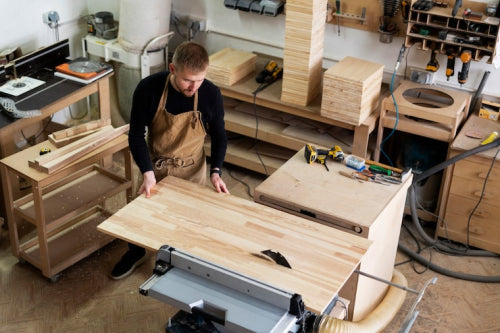
Artisans who specialize in solid wood approach their craft with deep respect. They select boards not only for structural soundness but for visual harmony matching grain flow across tabletops, choosing figure that will enhance the piece's overall design. The process is deliberate and hand-intensive, relying on the maker's intuition to interpret the wood's natural tendencies. This level of care results in furniture that feels personal and authentic, even when produced in limited series. The end user senses the attention invested in every joint, every surface, creating a connection that transcends utility.
The Expanding Market for Wooden Furniture
The global furniture market reflects this growing preference for quality and longevity. Revenue in the furniture sector is projected to reach US$757.33 billion in 2026, with an expected annual growth rate of 3.07% through 2030. Living room furniture leads the segments, generating US$223.40 billion in 2026, while the United States remains the largest single market at US$265.56 billion. On a per capita basis, this translates to US$96.16 in 2026, demonstrating the economic significance of quality furnishings in daily life.
Within the broader category, the wood furniture market shows robust expansion. One analysis places the global wood furniture market at $235.3 billion in 2023, projected to reach $327.7 billion by 2033, growing at a compound annual growth rate of 3.4%. Other estimates vary slightly depending on scope and methodology, but the trend is consistent: consumers increasingly favor durable, aesthetically pleasing, and environmentally responsible options. Urbanization, rising disposable incomes, and demand for sustainable products drive this growth, alongside expansion in real estate and hospitality sectors that require high-quality, long-lasting furnishings.
Regional patterns reinforce the momentum. In North America, the wooden furniture market was valued at USD 32.78 billion in 2024 and is expected to reach USD 42.04 billion by 2032, expanding at a CAGR of 3.16%. Strong demand for eco-friendly and visually appealing home décor, combined with e-commerce accessibility and technological advances in design, fuels this trajectory. These figures underscore wood's enduring appeal: it meets both practical needs and deeper desires for authenticity, sustainability, and lasting value.
Wood's Enduring Legacy
At its core, wood's uniqueness in furniture design rests on a simple yet profound truth: it remains alive even after the tree is felled. It continues to respond to its surroundings, expanding and contracting with humidity, developing patina through use, and recording the passage of time in every mark and shift in color. In a world of fleeting digital experiences and fast-replaced possessions, wood provides permanence. It invites touch, rewards observation, and ages with dignity.
Choosing solid wood is a decision that extends beyond aesthetics or function. It is an affirmation of durability, evolving beauty, and resistance to disposability. The finest pieces do not shout for attention; they earn it gradually through shared meals, quiet mornings, and the ordinary moments that make a house a home. In the end, wood does more than furnish rooms. It helps create spaces that feel lived-in, loved, and timeless spaces that belong to us as much as we belong to them.
Frequently Asked Questions
Why is solid wood furniture better than mass-produced alternatives?
Solid wood furniture uses traditional joinery methods like mortise-and-tenon and dovetail joints that create mechanical interlocks, growing stronger with use over time. Unlike factory furniture made with particleboard, glue, and staples that deteriorates within years, properly crafted solid wood pieces can last generations and be refinished multiple times. The durability improves with age as the wood develops patina and character, making it a genuine investment rather than a disposable item.
How does wood add warmth to modern minimalist interiors?
Wood provides organic texture and natural tones that soften the stark quality of industrial materials like concrete, steel, and glass commonly used in contemporary spaces. A single wooden element such as a live-edge walnut table can serve as the emotional center of a minimalist room, creating visual interest through natural grain patterns that shift with light throughout the day. The tactile experience of running your hand over smoothly oiled wood introduces sensory warmth that synthetic materials simply cannot replicate.
Is wooden furniture a sustainable choice for environmentally conscious buyers?
Yes, solid wood furniture aligns with sustainable living values when sourced responsibly from managed forests. A well-crafted wooden piece can outlast multiple flat-pack replacements, resulting in fewer resources consumed, reduced shipping, and less waste over its lifetime. Wood is also renewable and adaptable pieces can be refinished, repurposed for different uses as lifestyles change, and develop meaningful character rather than requiring replacement, offering superior long-term value despite higher initial cost.
Disclaimer: The above helpful resources content contains personal opinions and experiences. The information provided is for general knowledge and does not constitute professional advice.
You may also be interested in: Why Personalization Is the Future of Home Furnishings
Mass-market furniture lacks heart, filling rooms with bland, short-lived pieces. Frequent breakdowns spark frustration, as replacements erode style and sentiment. At MMC Wood Creations, Udaipur artisans shape heirloom furniture with enduring craftsmanship and cozy elegance, creating pieces that echo your identity, ensuring your home radiates warmth and timeless connection. Shop Now!
Powered by flareAI.co